

















Desserts
Easy Recipe for a Delicious Chocolate Pecan Pi...

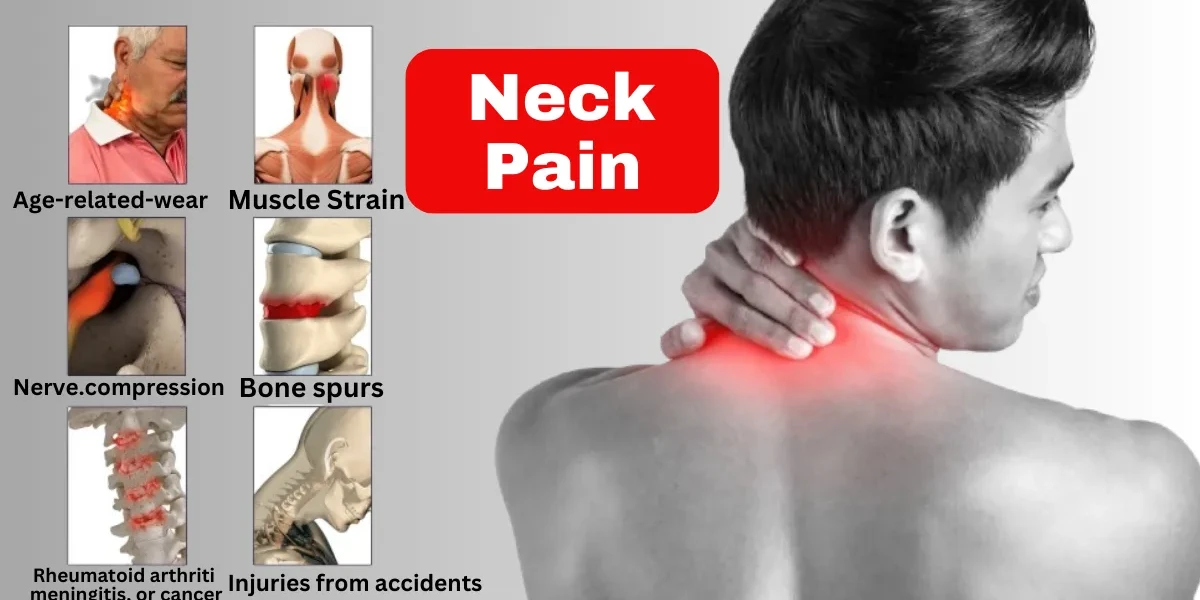
Neck pain is a common complaint that affects millions of people worldwide. Whether it’s a dull ache, sharp stabbing sensation, or stiffness that limits movement, neck pain can significantly impact daily life. But what is neck pain, exactly? Why does it happen, and how can it be treated or prevented?
Neck pain is a common condition characterized by discomfort or stiffness in the cervical spine, which consists of the vertebrae, muscles, ligaments, and nerves in the neck area. It can range from mild soreness to severe, sharp pain that limits movement and affects daily activities. Neck pain may be acute (lasting a few days to weeks) or chronic (persisting for months or longer). Various factors can contribute to neck pain, including poor posture, muscle strain, injuries (such as whiplash), degenerative conditions (like arthritis or herniated discs), and even stress. In some cases, neck pain may be accompanied by headaches, numbness, tingling, or weakness in the arms, indicating potential nerve involvement.
Muscle Strain or Tension: Muscle-related neck pain is one of the most common types, often caused by poor posture, prolonged sitting (especially with computers or phones), or sudden movements. Overuse of neck muscles, stress, or sleeping in an awkward position can also lead to stiffness and soreness. This type of pain is usually temporary and improves with rest, gentle stretching, and proper ergonomics.
Cervical Radiculopathy (Pinched Nerve): Cervical radiculopathy occurs when a nerve in the neck is compressed or irritated, often due to a herniated disc, bone spurs, or spinal degeneration. This condition can cause sharp, radiating pain that extends into the shoulders, arms, or hands, along with numbness, tingling, or weakness. Treatment may include physical therapy, medications, or, in severe cases, surgery.
Degenerative Disc Disease or Arthritis: As people age, the cervical spine undergoes wear and tear, leading to conditions like osteoarthritis or degenerative disc disease. These conditions cause chronic neck pain, stiffness, and reduced flexibility due to the breakdown of cartilage or spinal discs. Pain may worsen with movement, and management often involves anti-inflammatory treatments, physical therapy, or lifestyle modifications.
Whiplash (Trauma-Induced Neck Pain): Whiplash is a neck injury caused by sudden jerking of the head, commonly occurring in car accidents or sports injuries. It strains the neck muscles and ligaments, leading to pain, stiffness, headaches, and sometimes dizziness. Recovery may require rest, pain relievers, and physical therapy to restore mobility.
Cervical Spondylosis (Age-Related Neck Pain): Cervical spondylosis refers to age-related changes in the cervical spine, including bone spurs and disc degeneration. This condition can cause chronic neck pain, stiffness, and sometimes nerve compression. Treatment focuses on pain management, strengthening exercises, and, in some cases, surgical intervention.
Referred Pain (Pain Originating from Other Areas): Sometimes, neck pain may actually stem from other areas, such as the shoulders, jaw (TMJ disorders), or even the heart (in rare cases like angina). Pinpointing the root issue is essential for effective care.
Understanding the type and cause of neck pain helps in determining the right treatment approach, whether through self-care, medical intervention, or physical therapy. If the ache lingers or grows worse, it’s best to consult a doctor.
The way neck soreness appears hinges on the underlying condition. Some people experience mild discomfort, while others deal with debilitating pain that interferes with daily activities. Understanding the symptoms and signs of neck pain helps in identifying the issue early and seeking appropriate treatment. Below, we break down the most common symptoms in detail.
One of the most frequent complaints is neck stiffness, making it difficult to turn the head side to side or up and down. This stiffness is often worse in the morning or after long periods of inactivity (like sitting at a desk). In some cases, muscle spasms can lock the neck in place, causing sudden sharp pain with movement. Poor posture, arthritis, or muscle strain are common culprits behind this symptom.
Neck pain can range from a constant dull ache to sudden, sharp stabbing sensations. The pain may stay localized in the neck or spread to the shoulders, upper back, or arms. If the pain is burning or electric-like, it could indicate nerve irritation, such as from a herniated disc or cervical radiculopathy. Muscle-related pain tends to feel sore and achy, while joint or nerve pain is often sharper and more intense.
Many people with neck pain also experience tension headaches or cervicogenic headaches, which start at the base of the skull and radiate toward the forehead or behind the eyes. These headaches are often triggered by poor posture, muscle tension, or cervical spine misalignment. Unlike migraines, they usually worsen with neck movement and may be accompanied by dizziness or blurred vision in severe cases.
If a nerve in the neck is compressed (such as from a pinched nerve or herniated disc), you may feel tingling, numbness, or weakness in the arms, hands, or fingers. This is called radiculopathy and often indicates that a spinal nerve is being irritated. In rare cases, severe nerve compression can lead to loss of coordination or grip strength, requiring immediate medical attention.
Some people notice grinding (crepitus) or clicking sounds when moving their neck. This can happen due to joint degeneration (osteoarthritis), where cartilage wears down, causing bones to rub together. While occasional popping isn’t always serious, persistent grinding with pain may signal joint dysfunction or spinal issues.
Most neck pain is not life-threatening, but certain red flag symptoms require urgent medical evaluation:
Severe pain after an injury (e.g., car accident, fall)
Loss of bladder or bowel control (could indicate spinal cord compression)
High fever with neck stiffness (possible meningitis)
Unexplained weight loss + night pain (may suggest infection or tumor)
Neck pain can stem from a variety of sources, ranging from everyday habits to serious medical conditions. Understanding these causes and risk factors is crucial for both treatment and prevention. Below, we explore the most common reasons behind neck pain and the factors that increase susceptibility.
1. Muscle Strain and Tension: One of the most frequent causes of neck pain is muscle strain, often due to poor posture, prolonged sitting, or repetitive movements. People who spend long hours hunched over computers or smartphones frequently develop "tech neck"—a condition where the neck muscles become overworked from holding the head in a forward position. Sleeping in an awkward position or using an unsupportive pillow can also strain neck muscles overnight, leading to stiffness and discomfort upon waking.
2. Injury (Whiplash and Trauma): Sudden jerking motions, such as those experienced in car accidents (particularly rear-end collisions), can cause whiplash—a neck injury where the head is forcefully thrown backward and then forward. This strains the muscles, ligaments, and tendons in the neck, resulting in pain, stiffness, and sometimes headaches. Sports injuries, falls, or direct blows to the neck can also lead to similar trauma.
3. Herniated or Degenerated Discs: Between each vertebra in the spine are cushion-like discs that act as shock absorbers. Over time, these discs can wear down (degenerative disc disease) or bulge outward (herniated disc), pressing on nearby nerves. When this happens in the cervical spine, it can cause sharp, radiating pain into the shoulders and arms, along with numbness or tingling.
4. Osteoarthritis and Cervical Spondylosis: As people age, the cartilage in their neck joints can deteriorate, leading to osteoarthritis—a form of joint inflammation. Cervical spondylosis (a general term for age-related wear and tear on the cervical spine) can also contribute to chronic neck pain, stiffness, and reduced mobility. Bone spurs (osteophytes) may develop, further irritating nerves.
5. Spinal Stenosis: Spinal stenosis occurs when the spinal canal narrows, compressing the spinal cord or nerve roots. This condition, often linked to aging or arthritis, can cause nerve compression symptoms, including neck pain, weakness in the arms or legs, and balance problems. Severe cases may require surgical intervention.
6. Meningitis and Infections: Though rare, infections like meningitis (inflammation of the protective membranes around the brain and spinal cord) can cause severe neck stiffness, often accompanied by fever, headache, and sensitivity to light. This is a medical emergency requiring immediate treatment.
1. Age
As we age, the cervical spine undergoes natural degenerative changes, making older adults more prone to conditions like arthritis, disc degeneration, and spinal stenosis. However, younger individuals are not immune—poor posture and repetitive stress can lead to early wear and tear.
2. Sedentary Lifestyle and Poor Posture
People who sit for long periods (especially with slouched posture) place excessive strain on their neck muscles. Jobs that require prolonged computer use, driving, or looking down at a phone ("text neck") significantly increase the risk of chronic neck pain.
3. Occupational Hazards
Certain professions—such as office workers, truck drivers, dentists, and construction workers—are at higher risk due to repetitive neck movements, heavy lifting, or prolonged static postures. Vibration exposure (e.g., operating heavy machinery) can also contribute to spinal stress.
4. Stress and Anxiety
Psychological stress often manifests physically as muscle tension, particularly in the neck and shoulders. Chronic stress can lead to persistent tightness, headaches, and even trigger points (knots in the muscles).
5. Smoking
Smoking reduces blood flow to spinal discs, accelerating degeneration and impairing healing. Studies show that smokers are more likely to experience chronic neck pain compared to non-smokers.
6. Previous Neck Injuries
A history of neck trauma (e.g., whiplash, sports injuries) increases the likelihood of future pain, especially if rehabilitation was incomplete. Scar tissue and weakened muscles can lead to recurring issues.
7. Genetic Factors
Some individuals may have a genetic predisposition to degenerative disc disease or autoimmune conditions (like rheumatoid arthritis) that affect the cervical spine.
Neck pain arises from a mix of mechanical strain, degenerative changes, injuries, and lifestyle factors. While some causes (like aging) are unavoidable, many risk factors—such as posture, activity levels, and stress—can be managed with conscious effort. Addressing these early can prevent chronic pain and improve long-term neck health.
Neck pain can develop gradually or occur suddenly, depending on the cause. Understanding the different stages of neck pain helps in identifying the severity and seeking appropriate treatment. The stages are generally categorized into acute, subacute, and chronic, each with distinct symptoms and recovery timelines.
The acute stage is the initial phase of neck pain, typically lasting up to four weeks. Pain in this stage is often sudden and sharp, resulting from muscle strains, ligament sprains, poor posture, or injuries like whiplash. Common symptoms include stiffness, limited range of motion, and localized soreness. Inflammation may also be present, leading to swelling and tenderness. During this stage, the body begins its natural healing process, and pain can often be managed with rest, ice or heat therapy, over-the-counter pain relievers, and gentle stretching. If the pain persists beyond a few weeks, it may progress to the subacute stage.
If neck pain continues beyond four weeks, it enters the subacute stage, which can last up to three months. During this phase, the initial inflammation decreases, but discomfort may still linger due to muscle tightness, joint stiffness, or nerve irritation. People in this stage might experience intermittent pain that worsens with certain movements or prolonged sitting. Physical therapy, targeted exercises, and posture correction are often recommended to restore mobility and prevent the condition from becoming chronic. Ignoring treatment at this stage increases the risk of long-term complications.
Chronic neck pain is diagnosed after symptoms remain for three consecutive months or more. Chronic neck pain may result from untreated injuries, degenerative conditions (like arthritis or herniated discs), or long-term poor posture. Symptoms can include constant dull aches, sharp pain with movement, headaches, and even radiating discomfort into the shoulders and arms. Nerve compression may lead to numbness or tingling. Management at this stage often requires a multidisciplinary approach, including physical therapy, pain management techniques, lifestyle modifications, and, in severe cases, medical interventions like injections or surgery. Chronic pain can significantly impact daily life, making early intervention crucial.
Diagnosing neck pain involves a thorough evaluation to determine its root cause, whether it’s a simple muscle strain, a nerve issue, or a more serious spinal condition. Doctors use a combination of medical history, physical exams, and diagnostic tests to pinpoint the problem accurately.
The first step in diagnosing neck pain is discussing the patient’s symptoms and medical background. The doctor will ask:
When the pain started (sudden injury vs. gradual onset).
The nature of the pain (sharp, dull, throbbing, or radiating).
Factors that worsen or relieve it (movement, rest, certain positions).
Associated symptoms (numbness, headaches, weakness, or fever).
Previous injuries or medical conditions (arthritis, disc disease, or accidents).
This helps narrow down potential causes—for example, a recent car accident may suggest whiplash, while long-term stiffness could indicate arthritis.
Next, the doctor performs a hands-on assessment to check:
Range of motion – How far the neck can move without pain.
Tenderness – Pressing on specific areas to locate sore spots.
Muscle strength – Testing arm and hand strength to detect nerve issues.
Reflexes – Diminished reflexes may indicate nerve compression.
Sensory tests – Checking for numbness or tingling in the arms/hands.
For instance, if turning the head to one side triggers shooting pain, it could suggest a pinched nerve.
If the cause isn’t clear, imaging may be ordered:
X-rays – Reveal bone alignment, fractures, or arthritis.
MRI (Magnetic Resonance Imaging) – Shows soft tissues like discs, nerves, and muscles; ideal for detecting herniations or spinal cord issues.
CT Scan – Provides detailed bone images, useful for complex fractures or stenosis.
Myelogram – A special dye highlights spinal cord and nerves (rare, used if MRI isn’t an option).
Example: An MRI might reveal a herniated disc pressing on a nerve, explaining arm numbness.
If nerve damage is suspected, these tests assess electrical activity:
Electromyography (EMG) – Measures muscle response to nerve signals.
Nerve Conduction Studies – Checks how quickly nerves transmit impulses.
These can confirm conditions like cervical radiculopathy (a pinched nerve root).
Though rare, blood work may help if infection (e.g., meningitis) or inflammatory diseases (like rheumatoid arthritis) are suspected.
Misdiagnosis can lead to ineffective treatments. For example, treating muscle strain with painkillers won’t help if the real issue is a compressed nerve. A precise diagnosis ensures targeted therapy—whether it’s physical therapy for posture-related pain or surgery for severe disc damage.
Most acute neck pain resolves within weeks with self-care. Chronic cases may require long-term management, but many people find relief with physical therapy, medications, or lifestyle adjustments. Severe cases (e.g., spinal cord compression) may need surgery.
When it comes to managing neck pain, treatment options vary depending on the cause, severity, and duration of the pain. Some cases resolve with simple home remedies, while others require medical intervention. Below, we explore the most effective neck pain treatments and medications, providing detailed insights to help you make informed decisions.
Rest and Activity Modification
One of the first steps in treating neck pain is giving the affected muscles and joints time to heal. Avoiding activities that worsen the pain—such as prolonged screen use, heavy lifting, or sudden neck movements—can prevent further strain. However, complete inactivity isn’t recommended, as gentle movement helps maintain flexibility and prevents stiffness.
Physical Therapy and Exercises
Physical therapy is a cornerstone of neck pain treatment, especially for chronic cases. A therapist can design a customized program that includes:
Stretching exercises to relieve tight muscles (e.g., neck tilts and rotations).
Strengthening exercises for the neck, shoulders, and upper back to improve support.
Postural training to correct habits that contribute to pain, such as slouching or forward head posture.
Manual therapy, including massage and joint mobilization, to reduce stiffness and improve mobility.
Heat and Cold Therapy
Applying ice packs (for the first 48 hours after injury) helps reduce inflammation and numb sharp pain. After the initial swelling subsides, heat therapy (warm towels, heating pads) relaxes tense muscles and improves blood flow. Alternating between the two can be particularly effective for persistent discomfort.
Over-the-Counter (OTC) Medications
For mild to moderate pain, OTC medications are often the first line of defense:
NSAIDs (Nonsteroidal Anti-Inflammatory Drugs) – Ibuprofen (Advil) and naproxen (Aleve) reduce both pain and inflammation.
Acetaminophen (Tylenol) – Helps with pain but doesn’t address inflammation.
Topical Pain Relievers – Creams or patches containing menthol, capsaicin, or lidocaine can provide localized relief.
Prescription Medications
If OTC options aren’t enough, doctors may prescribe:
Muscle Relaxants (e.g., cyclobenzaprine, methocarbamol) – Useful for spasms but can cause drowsiness.
Stronger Painkillers (e.g., tramadol) – Reserved for short-term use due to addiction risks.
Antidepressants or Anti-Seizure Drugs – Sometimes used for chronic nerve-related pain (e.g., amitriptyline, gabapentin).
Chiropractic Care and Spinal Adjustments
Chiropractors use controlled force to realign the spine, which can relieve pressure on nerves and improve joint function. While some people experience significant relief, others may need multiple sessions. It’s important to choose a licensed professional to avoid complications.
Corticosteroid Injections
For severe inflammation or nerve compression (e.g., from a herniated disc), doctors may recommend steroid injections near the affected nerve roots. These injections provide temporary but powerful relief, reducing swelling and allowing patients to engage in physical therapy more comfortably.
Surgical Options
Surgery is rare and typically considered only when:
There’s significant nerve compression causing weakness or numbness.
Non-surgical treatments fail after several months.
Structural issues (e.g., spinal instability, severe disc damage) require correction.
Common procedures include:
Discectomy – Removal of a herniated disc pressing on a nerve.
Spinal Fusion – Joining vertebrae to stabilize the spine.
Artificial Disc Replacement – A newer alternative to fusion, preserving mobility.
Acupuncture – Some studies suggest it can reduce chronic neck pain by stimulating nerve pathways.
Yoga and Pilates – Improve flexibility, posture, and core strength, reducing strain on the neck.
Massage Therapy – Helps relax tight muscles and improve circulation.
The best approach depends on your specific condition. Acute pain often improves with rest and OTC meds, while chronic pain may require a combination of physical therapy, medications, and lifestyle changes. Always consult a healthcare provider before starting new treatments, especially if you have underlying health issues.
Neck pain is often preventable with the right habits and lifestyle adjustments. While some causes, like aging or accidents, are unavoidable, many cases stem from poor posture, muscle strain, and repetitive stress. Below, we explore effective prevention strategies in detail to help you maintain a healthy, pain-free neck.
Poor posture is one of the leading causes of neck pain. Slouching, hunching over screens, or craning the neck forward (known as "text neck") places excessive strain on cervical muscles and vertebrae. To prevent this:
Keep your head aligned over your shoulders—avoid jutting it forward.
Sit upright with your back supported and shoulders relaxed.
Adjust your workstation so that your computer screen is at eye level to reduce strain.
Take posture breaks—set reminders to check and correct your posture every 30 minutes.
Over time, proper posture reduces muscle fatigue and prevents chronic neck stiffness.
Since many people spend hours at desks or on devices, an ergonomic setup is crucial for neck health. Consider these adjustments:
Chair Support: Use a chair with lumbar support to maintain spinal alignment.
Monitor Height: Position your screen so the top is at or slightly below eye level.
Keyboard & Mouse Placement: Keep them at elbow height to avoid shoulder tension.
Standing Desks: Alternating between sitting and standing can reduce stiffness.
If you work long hours, micro-breaks (every 20-30 minutes) to stretch and move can prevent muscle strain.
Weak muscles contribute to poor posture and neck strain. Strengthening exercises help support the cervical spine:
Chin Tucks: Gently pull your chin straight back to align your head over your spine.
Shoulder Blade Squeezes: Pull your shoulder blades together to improve upper back strength.
Neck Isometrics: Press your palm against your forehead and resist with your neck (do the same for the sides and back).
Yoga & Pilates: These improve flexibility and core strength, reducing neck load.
Aim for 2-3 strength sessions per week to build endurance and stability.
Sleeping in an awkward position can lead to morning neck stiffness. To prevent this:
Avoid Stomach Sleeping: This twists the neck unnaturally.
Use a Supportive Pillow: Choose one that keeps your neck aligned with your spine—memory foam or cervical pillows work well.
Side Sleepers: Place a pillow between your knees to maintain spinal alignment.
Back Sleepers: Use a thinner pillow to prevent excessive neck bending.
If you wake up with frequent neck pain, reassess your sleep setup.
Sedentary lifestyles contribute to muscle tightness and poor circulation, increasing neck pain risk. Incorporate:
Daily Neck Stretches: Gentle side tilts, rotations, and chin-to-chest stretches.
Cardio Exercise: Walking, swimming, or cycling improves blood flow to muscles.
Posture-Correcting Activities: Yoga, tai chi, and Pilates enhance body awareness.
Even short 5-minute stretch breaks throughout the day can make a difference.
Stress causes muscle tightness, particularly in the neck and shoulders. Techniques to reduce tension include:
Deep Breathing Exercises – Helps relax tight muscles.
Massage or Foam Rolling – Releases knots in the upper back and neck.
Mindfulness & Meditation – Reduces overall muscle tension linked to stress.
Carrying heavy bags, backpacks, or lifting objects incorrectly strains the neck. To minimize risk:
Use both straps on backpacks to distribute weight evenly.
Lift with your legs, not your back or neck.
Avoid phone cradling (holding your phone between your ear and shoulder).
Neck pain prevention is largely about awareness and consistency. Small daily habits—like posture checks, ergonomic adjustments, and regular movement—can significantly reduce your risk. If you already experience discomfort, early intervention with stretching and strengthening can prevent worsening pain.
While most cases of neck pain resolve with rest and proper care, untreated or severe cases can lead to complications that affect overall health and mobility. Ignoring persistent neck pain may result in chronic discomfort, nerve damage, and even long-term disability. Below, we explore the potential complications of neck pain in detail.
One of the most common complications of untreated neck pain is the development of chronic discomfort. When acute pain (lasting a few weeks) isn’t properly managed, it can transition into a long-term issue, persisting for months or even years. Chronic neck pain often leads to stiffness, making it difficult to turn the head, drive, or perform daily tasks. Over time, reduced mobility can weaken neck muscles, creating a cycle of pain and dysfunction. People with chronic neck pain may also experience frequent tension headaches, further diminishing their quality of life.
If neck pain stems from a compressed or irritated nerve (such as in herniated discs or spinal stenosis), delaying treatment can worsen nerve damage. This may cause radiculopathy, where pain, numbness, or tingling spreads to the shoulders, arms, or hands. In severe cases, nerve compression can lead to muscle weakness, making it hard to grip objects or perform fine motor tasks. Permanent nerve damage is rare but possible if pressure on the spinal cord (cervical myelopathy) is left untreated, potentially leading to loss of coordination or even paralysis.
Neck pain doesn’t always stay localized—it can trigger frequent headaches. Cervicogenic headaches originate from problems in the cervical spine (neck) and refer pain to the head. These headaches often feel like a dull, throbbing ache starting at the base of the skull and radiating to the forehead or behind the eyes. Unlike migraines, they’re directly linked to neck movement or poor posture. Without addressing the root cause, these headaches can become recurrent and debilitating.
Chronic neck pain often leads to compensatory movements, where people unconsciously adjust their posture to avoid discomfort. Over time, this can create muscle imbalances—some muscles become overworked, while others weaken from underuse. For example, constantly tilting the head forward (as with "text neck") strains the cervical spine and shoulders, leading to rounded shoulders and upper back pain. These postural changes can further aggravate neck pain, creating a vicious cycle that’s hard to break without targeted physical therapy.
Neck pain can significantly disrupt sleep, especially if finding a comfortable position becomes difficult. People with chronic neck pain often wake up feeling unrested, leading to daytime fatigue, irritability, and reduced productivity. Poor sleep also lowers pain tolerance, making discomfort feel more intense. Over time, sleep deprivation can weaken the immune system, increase stress levels, and contribute to other health issues like anxiety or depression.
Living with persistent neck pain can take a toll on mental well-being. The constant discomfort may limit participation in hobbies, exercise, and social activities, leading to frustration or isolation. Studies show that chronic pain sufferers are at a higher risk of developing anxiety and depression. The stress of dealing with ongoing pain can also tighten muscles further, worsening symptoms. Addressing neck pain early with a multidisciplinary approach (physical therapy, stress management, and medical care) can help prevent these psychological effects.
While uncommon, some neck pain causes can lead to severe complications if ignored:
Spinal cord compression (from severe arthritis or injury) may cause loss of bladder/bowel control, requiring emergency surgery.
Infections (like osteomyelitis or meningitis) can cause neck stiffness with fever, needing urgent antibiotics.
Vertebral artery dissection (a tear in a neck artery) may lead to stroke-like symptoms, such as dizziness or slurred speech.
Neck pain is a widespread issue with various causes, from muscle strain to serious spinal conditions. Recognizing the symptoms, understanding the risk factors, and seeking timely diagnosis and treatment can make a significant difference. Simple prevention strategies, like posture correction and exercise, can help avoid future problems.
If you’re experiencing persistent or worsening neck pain, consult a healthcare provider for a personalized plan. With the right approach, most people can find relief and regain their comfort and mobility.
Neck pain can often be treated at home with simple remedies. Applying ice for the first 48 hours can reduce inflammation, while heat therapy (like a warm towel or heating pad) helps relax stiff muscles afterward. Over-the-counter pain relievers (such as ibuprofen or acetaminophen) can ease discomfort. Gentle stretching and mobility exercises may also help. If pain persists, physical therapy, chiropractic adjustments, or massage therapy can be beneficial. In severe cases, a doctor may recommend steroid injections or surgery for structural issues like herniated discs.
Poor Posture: Slouching or hunching over screens (text neck) strains neck muscles.
Muscle Strain: Overuse, sudden movements, or sleeping in an awkward position can cause stiffness.
Degenerative Conditions: Arthritis, cervical spondylosis, or herniated discs contribute to chronic neck pain.
Injury or Trauma: Whiplash from car accidents or sports injuries can damage neck muscles and ligaments.
Cracking your neck (self-manipulation) may provide temporary relief by releasing joint pressure, but it should be done cautiously. Gentle side-to-side tilts or slow rotations can help. However, excessive or forceful cracking may worsen pain or cause joint damage. A chiropractor can safely perform adjustments if needed.
Neck pain may be serious if it lasts more than a week, worsens over time, or is accompanied by symptoms such as numbness, weakness in the arms or legs, severe headache, or loss of coordination. Pain after a traumatic event, like a fall or accident, or symptoms like fever and unexplained weight loss may also indicate a more serious condition and require immediate medical attention.
Several diseases can begin with neck pain. Meningitis, an infection of the membranes surrounding the brain and spinal cord, often starts with a stiff neck and is a medical emergency. Rheumatoid arthritis and ankylosing spondylitis can cause chronic neck inflammation. Certain infections, like tuberculosis of the spine, and even some cancers or tumors in the cervical spine region, may initially present as neck pain.
Sleeping in the right position is essential for reducing neck pain. The best position is typically on your back with a small pillow that supports the natural curve of your neck. If you sleep on your side, keep your head aligned with your spine and use a pillow that fills the space between your ear and shoulder. Avoid sleeping on your stomach, as it can strain the neck due to twisting.
A gentle neck massage can relieve muscle tension and improve blood flow. Use your fingers to apply light to moderate pressure in circular motions along the sides and back of the neck. You can also gently knead the muscles and use warm oil for added comfort. It's important not to press too hard, especially over the spine or sensitive areas. If unsure, consider seeing a licensed massage therapist.
Yes, though rare, neck pain can signal a tumor (benign or malignant) in the spine, thyroid, or lymph nodes. Warning signs include unexplained weight loss, night pain, or persistent pain despite treatment. Imaging tests (MRI/CT) can confirm.
Neck pain can worsen at night for several reasons. Poor sleeping posture, an unsupportive mattress or pillow, or muscle tension accumulated during the day may intensify discomfort when lying down. Inflammatory conditions such as arthritis also tend to flare up during periods of rest. If the pain keeps you awake or disrupts sleep regularly, it should be evaluated by a healthcare provider.
NSAIDs (ibuprofen, naproxen) reduce inflammation.
Acetaminophen (Tylenol) for pain relief.
Muscle relaxants (cyclobenzaprine) for severe spasms.
Topical creams (menthol or capsaicin) for localized relief.
Neck tilts: Slowly tilt your head toward each shoulder.
Chin tucks: Pull your chin straight back to align the spine.
Resistance training: Gently push your head against your hand in different directions.
Shoulder rolls: Relieves tension in the upper back and neck.
Sleeping without a pillow may help some (e.g., stomach sleepers or those with certain spinal issues), but most people benefit from light support to maintain neck alignment. Side and back sleepers usually need a pillow to prevent strain.
You Might Also Like