














Desserts
Easy Recipe for a Delicious Chocolate Pecan Pi...

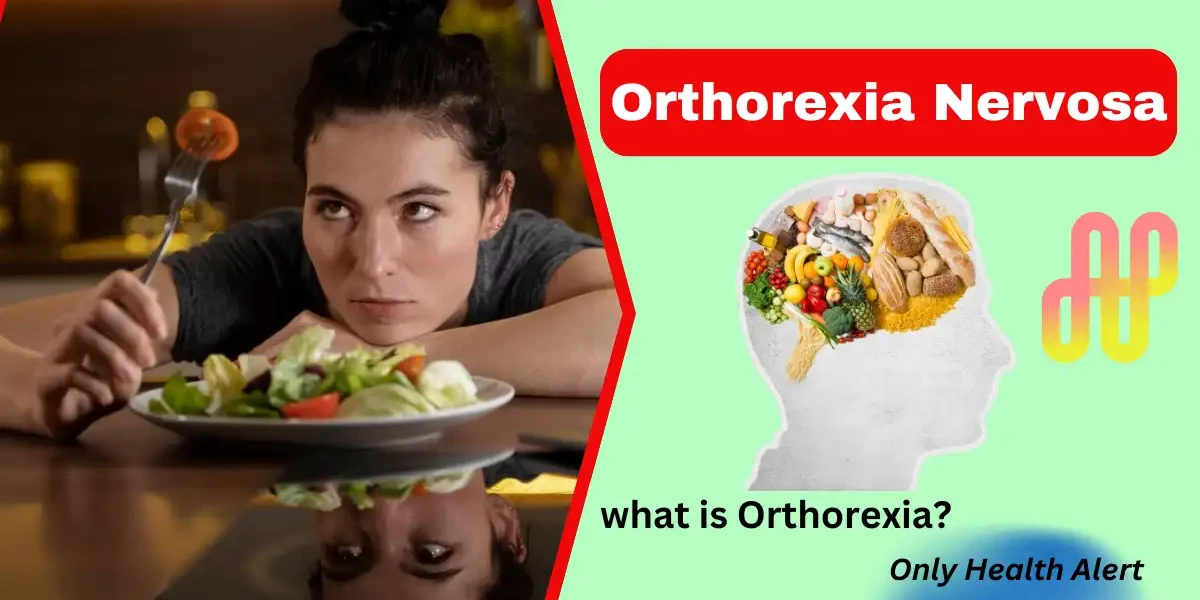
Orthorexia: In today’s health-conscious world, eating nutritious food is often praised—but what happens when a focus on "clean eating" becomes an obsession? Orthorexia nervosa is an eating disorder characterized by an unhealthy fixation on eating only foods deemed "pure" or "healthy." Unlike anorexia or bulimia, which focus on weight loss, orthorexia revolves around food quality rather than quantity.
While not yet officially recognized in the DSM-5 (Diagnostic and Statistical Manual of Mental Disorders), orthorexia is gaining attention as a serious mental health condition. This article explores what orthorexia is, its types, symptoms, causes, stages, diagnosis, treatment, prevention, and potential complications.
Orthorexia nervosa is not a one-size-fits-all condition—it manifests differently depending on a person’s dietary beliefs, lifestyle, and psychological triggers. Below, we explore the different types of orthorexia in depth, explaining how each form develops and its potential consequences.
1. Restrictive Orthorexia: Restrictive orthorexia involves cutting out entire food groups deemed "unhealthy," often leading to severe nutritional deficiencies. Unlike general healthy eating, this type becomes problematic when the restrictions are extreme and inflexible. For example, someone might eliminate all carbohydrates, fats, or dairy, believing these foods are "toxic" or "impure." Over time, this can lead to malnutrition, low energy, and even organ damage. A person with restrictive orthorexia may also experience intense guilt when accidentally consuming a "forbidden" food, reinforcing a harmful cycle of anxiety and control.
2. Organic or "Clean" Eating Orthorexia: This type revolves around consuming only foods labeled as organic, non-GMO, pesticide-free, or "whole." While choosing organic produce can be part of a balanced diet, orthorexia takes it to an extreme—where anything less than "perfect" feels like failure. Individuals may spend excessive time researching food sources, avoiding restaurants, or even growing their own produce to ensure absolute purity. The obsession often leads to social isolation, as shared meals become sources of distress. Over time, the rigid mindset can contribute to anxiety disorders and a distorted self-image tied to dietary "perfection."
3. Fad-Diet Orthorexia: Fad-diet orthorexia occurs when someone rigidly adheres to popular diets—such as keto, paleo, or raw vegan—to the point of obsession. While these diets can have health benefits when followed flexibly, orthorexic individuals treat them as unbreakable rules. For example, a person on a strict keto diet might panic if they consume even a gram of sugar, fearing it will "ruin" their progress. This type is particularly risky because diet trends often lack scientific balance, leading to deficiencies (e.g., lack of fiber in keto or protein in raw veganism). Additionally, the constant pursuit of the "next best diet" can create a never-ending cycle of restriction and guilt.
4. Exercise-Linked Orthorexia: Unlike other forms of orthorexia that focus solely on food, this type pairs rigid eating habits with compulsive exercise. The individual may believe they must "earn" their meals or "detoxify" through extreme workouts. For example, someone might refuse to eat unless they’ve burned a specific number of calories or punish themselves with extra exercise after eating something "unclean." This behavior mirrors aspects of anorexia athletica but is driven by a fixation on food purity rather than just weight loss. Over time, the combination of restrictive eating and over-exercising can lead to injuries, hormonal imbalances (e.g., amenorrhea in women), and chronic fatigue.
Recognizing the different types of orthorexia helps in identifying the disorder early and tailoring treatment effectively. Whether it’s restrictive eating, organic obsession, fad-diet fixation, or exercise compulsion, all forms share a common thread: an unhealthy relationship with food that prioritizes control over well-being.
If you or someone you know exhibits these behaviors, seeking help from a therapist or dietitian specializing in eating disorders can prevent long-term harm. The goal isn’t to abandon healthy eating but to restore balance—where food nourishes the body without ruling the mind.
Recognizing orthorexia can be challenging because it often masquerades as "healthy eating." However, when taken to an extreme, the behaviors and thought patterns associated with orthorexia can severely impact physical health, emotional well-being, and social functioning. Below, we break down the key symptoms and signs in detail.
People with orthorexia often develop rigid, time-consuming habits around food. They may spend excessive hours meal planning, researching nutrition facts, or scrutinizing ingredient lists, far beyond what’s necessary for general health. For example, someone might refuse to eat anything that isn’t organic, raw, or homemade, even if it means skipping meals altogether.
Another red flag is progressively eliminating food groups—first cutting out processed sugars, then gluten, then all carbs, until their diet becomes dangerously limited. Social withdrawal is also common; they may avoid restaurants, family dinners, or social gatherings where they can’t control the food options. If their "safe" foods aren’t available, they might go hungry rather than eat something "unclean," leading to unintended weight loss or malnutrition.
Orthorexia isn’t just about food—it’s deeply tied to emotions, self-worth, and control. Those struggling with it often experience:
Intense guilt or shame after eating something they deem "impure." For instance, consuming a piece of birthday cake might trigger hours of self-criticism or compensatory behaviors like fasting or over-exercising.
Moral superiority about food choices, believing they’re "better" than others for eating "clean." This can lead to judgmental attitudes toward people who don’t follow the same strict rules.
Severe anxiety around food prep, such as refusing to eat food cooked by others or obsessively washing produce to remove "toxins."
Black-and-white thinking, where foods are labeled as either "good" or "bad," with no middle ground.
Over time, these thought patterns can lead to social isolation, depression, or anxiety disorders, as the obsession overshadows other aspects of life.
While orthorexia starts as a mental fixation, it eventually takes a toll on the body. Common physical signs include:
Unintentional weight loss (since extreme restrictions can lead to calorie deficits).
Chronic fatigue, dizziness, or weakness due to nutrient deficiencies (e.g., low iron, B12, or protein).
Digestive issues, like bloating or constipation, from cutting out entire food groups (e.g., fiber-rich grains).
Brittle hair and nails, dry skin, or hair loss—signs of malnutrition.
In women, irregular or lost menstrual cycles (a condition called amenorrhea), which signals hormonal disruption.
In severe cases, orthorexia can lead to osteoporosis, heart problems, or organ damage from prolonged malnutrition.
The line between "health-conscious" and "orthorexic" boils down to flexibility and emotional impact. A healthy eater might prefer organic veggies but won’t panic if they’re unavailable. Someone with orthorexia, however, feels deep distress when their food rules are challenged—their choices are driven by fear, not just preference.
If you notice these signs in yourself or someone else, it may be time to seek help. Early intervention can prevent long-term health consequences and restore a balanced relationship with food.
Orthorexia doesn’t develop overnight—it’s often the result of a combination of psychological, social, and environmental factors. Understanding these causes and risk factors can help identify who might be vulnerable and how to intervene early. Below, we break down the key contributors in detail.
1. Perfectionism and Obsessive Personality Traits
People with perfectionist tendencies are at higher risk for orthorexia. They may view food as something they must control perfectly, leading to rigid eating rules. This mindset is common in individuals with obsessive-compulsive traits, where "clean" or "pure" eating becomes a way to manage anxiety. Research suggests that those with high levels of neuroticism (a tendency toward negative emotions) are more likely to develop orthorexic behaviors, as they seek control through diet.
2. History of Dieting or Eating Disorders
A past struggle with restrictive eating, anorexia, or bulimia can increase the risk of orthorexia. Some people transition from calorie-focused eating disorders to orthorexia, shifting their obsession from weight loss to food purity. Even those who have recovered from an eating disorder may still harbor rigid food beliefs, making them susceptible to orthorexic patterns later.
3. Influence of Social Media and Diet Culture
The rise of "clean eating" trends, wellness influencers, and detox diets has normalized extreme food restrictions. Social media platforms glorify restrictive diets (like keto, veganism, or raw foodism), often without scientific backing. Constant exposure to these messages can make people believe that cutting out entire food groups is necessary for health, fueling orthorexic behaviors. Studies show that frequent social media users are more likely to develop disordered eating habits, including orthorexia.
4. Anxiety, OCD, or Fear of Illness
Some individuals develop orthorexia due to health anxiety or contamination fears. They may avoid foods they believe are "toxic" (like GMOs, preservatives, or sugar) out of fear they’ll cause disease. This is particularly common in people with OCD tendencies, where food rules become a compulsion to prevent perceived harm.
5. Trauma or High Stress Levels
For some, orthorexia is a coping mechanism for unresolved trauma or chronic stress. Controlling food intake can create a false sense of stability in chaotic situations. This is similar to how some people develop restrictive eating disorders after traumatic events—food becomes one of the few things they feel they can control.
6. Professions or Hobbies That Emphasize "Perfect" Eating
Certain careers and lifestyles increase orthorexia risk, including:
Athletes (especially in weight-class or aesthetic sports like bodybuilding, gymnastics)
Fitness trainers and nutritionists (who may feel pressure to follow extreme diets)
Actors and models (where strict diets are often encouraged)
These environments often reward dietary extremism, making it harder to recognize when healthy eating has crossed into obsession.
While anyone can develop orthorexia, studies suggest it’s more common in:
Women, particularly young adults (though men are increasingly affected)
Middle-to-upper-class individuals (due to greater access to specialty diets)
People with pre-existing mental health conditions (anxiety, depression, OCD)
Orthorexia is rarely caused by one single factor—it’s usually a mix of personality traits, past experiences, social pressures, and mental health. Recognizing these risk factors can help individuals, families, and professionals spot warning signs before the disorder becomes severe.
Orthorexia doesn’t develop overnight—it progresses gradually, often starting with well-intentioned healthy habits that spiral into an unhealthy obsession. Understanding the stages of orthorexia can help identify early warning signs before the disorder becomes severe. Below is a deeper look at each phase:
1. Initial Interest in Healthy Eating: At this stage, the person begins paying more attention to their diet, often motivated by genuine health concerns, weight management, or fitness goals. They might start reading nutrition labels, cutting back on processed foods, or experimenting with diets like veganism or gluten-free eating. This phase is generally harmless, as the individual still maintains flexibility and doesn’t experience distress over occasional indulgences. However, for those predisposed to perfectionism or anxiety, this interest can become more rigid over time.
2. Increased Restriction: What began as a balanced approach to nutrition now becomes stricter. The person starts eliminating entire food groups (e.g., sugar, dairy, carbs) they deem "unhealthy" or "impure." They may spend excessive time researching food quality, sourcing organic ingredients, or preparing meals in specific ways to meet self-imposed standards. Social events involving food may cause mild anxiety, but they still participate, even if they bring their own meals. At this point, their eating habits begin to affect their lifestyle, but they justify it as "being disciplined."
3. Obsessive Behavior: The fixation on "clean eating" now dominates daily life. Meal planning becomes a source of stress rather than enjoyment, and the person feels intense guilt or shame if they "slip up." They might:
Spend hours scrutinizing ingredient lists.
Avoid restaurants or social gatherings where they can’t control the food.
Judge others for their dietary choices while feeling morally superior about their own.
Their self-worth becomes tied to their ability to adhere to their strict food rules, and any deviation triggers significant distress.
4. Social & Physical Consequences: The disorder now interferes with relationships and health. The person may:
Isolate themselves to avoid "unhealthy" food environments.
Experience malnutrition from extreme restrictions (e.g., low energy, hair loss, digestive issues).
Develop anxiety or depression related to their eating habits.
Despite these negative effects, they double down on their rules, believing that even stricter control will solve their problems. Friends and family may express concern, but the individual often dismisses them, insisting they’re "just being healthy."
5. Full-Blown Orthorexia: In the final stage, the obsession completely overtakes their life. Physical health deteriorates due to nutrient deficiencies, and mental health suffers from relentless food-related anxiety. They may:
Experience severe weight loss or hormonal imbalances.
Develop eating disorder crossovers (e.g., anorexia, ARFID).
Struggle with daily functioning due to constant food-related stress.
At this point, professional intervention is critical, as the disorder can lead to long-term medical complications.
Since orthorexia is not yet officially recognized as a standalone disorder in the DSM-5 (Diagnostic and Statistical Manual of Mental Disorders), diagnosing it can be challenging. However, mental health professionals and dietitians use a combination of clinical evaluations, psychological assessments, and medical examinations to determine whether someone is struggling with orthorexia. Below, we explore the key methods used in orthorexia diagnosis in greater detail.
1. Clinical Interviews and Behavioral Observations
One of the primary ways professionals assess orthorexia is through in-depth interviews. A therapist or doctor will ask about a person’s eating habits, attitudes toward food, and emotional responses to eating "imperfect" or "unhealthy" foods. They may explore:
How much time is spent planning meals? (e.g., obsessively researching ingredients, avoiding social events due to food fears)
Whether food choices cause significant distress (e.g., guilt, anxiety, or self-punishment after eating something "unclean")
How rigid the person’s dietary rules are (e.g., cutting out entire food groups, refusing to eat anything processed)
Whether their eating habits interfere with daily life (e.g., skipping meals if "safe" food isn’t available, declining invitations to restaurants)
These interviews help distinguish orthorexia from other eating disorders (like anorexia or ARFID) or obsessive-compulsive tendencies related to food.
2. Standardized Screening Tools and Questionnaires
Because orthorexia lacks formal diagnostic criteria, researchers have developed screening tools to help identify it. The two most common are:
The ORTO-15 Test – A 15-question assessment that evaluates obsessive attitudes toward "healthy" eating. Low scores suggest a higher likelihood of orthorexia.
The Bratman Orthorexia Test – Developed by Dr. Steven Bratman (who coined the term "orthorexia"), this questionnaire looks at behaviors like:
Spending excessive time thinking about food
Feeling virtuous for eating "clean" while judging others
Experiencing a decline in quality of life due to strict eating rules
While these tests aren’t definitive, they provide valuable insights when used alongside clinical judgment.
3. Medical and Nutritional Assessments
Since orthorexia can lead to physical health problems, doctors may conduct:
Blood tests (to check for deficiencies in vitamins, minerals, or protein)
Bone density scans (if prolonged restriction has led to osteoporosis)
Weight and metabolic evaluations (to rule out malnutrition or extreme weight loss)
These tests help determine whether the person’s eating habits are causing medical harm, which can further support a diagnosis.
4. Psychological Evaluation for Co-Occurring Disorders
Many people with orthorexia also struggle with:
Anxiety disorders (especially obsessive-compulsive tendencies)
Perfectionism (tying self-worth to dietary "purity")
Other eating disorders (e.g., anorexia, binge eating disorder)
A mental health professional will assess whether orthorexia is the primary issue or part of a broader psychological pattern.
Unlike anorexia or bulimia, orthorexia doesn’t always lead to dramatic weight changes, making it harder to spot. Additionally, because "healthy eating" is socially praised, sufferers may not recognize their behavior as problematic. Family and friends might even encourage their habits, not realizing the psychological toll.
Left untreated, orthorexia can lead to severe malnutrition, social isolation, and worsening mental health. If you or someone you know shows signs of extreme food rigidity, seeking an evaluation from a therapist or dietitian specializing in eating disorders is crucial.
Treating orthorexia requires a comprehensive approach that addresses both the psychological and physical aspects of the disorder. Since orthorexia is driven by obsessive thoughts about food purity, recovery involves reshaping a person’s relationship with eating while ensuring proper nutrition. Below, we explore the most effective treatment and medication options for orthorexia.
Psychotherapy is the cornerstone of orthorexia treatment, helping individuals challenge rigid beliefs about food and develop healthier eating behaviors. The most common therapeutic approaches include:
Cognitive Behavioral Therapy (CBT): CBT helps patients identify and modify distorted thoughts about food, such as labeling certain foods as "toxic" or "impure." By gradually exposing individuals to feared foods in a controlled way, CBT reduces anxiety and promotes flexibility in eating habits.
Exposure and Response Prevention (ERP): A subtype of CBT, ERP is particularly useful for those with obsessive tendencies. Patients are slowly introduced to "forbidden" foods while learning to tolerate discomfort without resorting to restrictive behaviors.
Dialectical Behavior Therapy (DBT): For those who struggle with extreme perfectionism or emotional dysregulation, DBT teaches coping mechanisms to manage stress without fixating on food rules.
Nutritional Counseling: Working with a registered dietitian helps patients reintroduce a balanced diet without extreme restrictions. Dietitians can also correct misconceptions about nutrition and prevent deficiencies caused by long-term food avoidance.
While there is no specific medication for orthorexia, doctors may prescribe drugs to manage underlying conditions that contribute to obsessive eating behaviors, such as:
Antidepressants (SSRIs): Selective serotonin reuptake inhibitors (e.g., fluoxetine, sertraline) can help reduce anxiety and obsessive-compulsive tendencies linked to orthorexia.
Anti-Anxiety Medications: In cases of severe anxiety around food, short-term use of medications like benzodiazepines may be considered, though they are not a long-term solution due to dependency risks.
Mood Stabilizers: For individuals with co-occurring bipolar disorder or extreme emotional swings affecting their eating habits, mood stabilizers may be beneficial.
Medication is typically most effective when combined with psychotherapy, as it addresses symptoms while therapy works on long-term behavioral change.
Recovery from orthorexia can feel isolating, especially if social events revolve around food. Support groups—whether in-person or online—provide a safe space to share struggles and successes with others facing similar challenges. Organizations like the National Eating Disorders Association (NEDA) offer resources and peer-led recovery communities.
When orthorexia develops in teenagers, Family-Based Therapy (FBT) can be highly effective. This approach involves parents or caregivers in meal planning and supervision, helping the adolescent reintroduce a balanced diet while reducing anxiety around food choices.
Treatment duration varies—some see improvement in months, while others need years of support. Relapse is possible, especially during stressful periods, so ongoing therapy and self-monitoring are crucial. The goal is not just to restore physical health but also to cultivate a flexible, guilt-free relationship with food.
Preventing orthorexia involves fostering a balanced, flexible approach to eating rather than an all-or-nothing mindset. Since orthorexia often starts with well-intentioned healthy habits that spiral into obsession, early awareness is key. Here’s how to reduce the risk:
Avoid Extreme Diets – Restrictive eating plans (like strict keto, raw food, or detox diets) can trigger obsessive behaviors. Instead, focus on moderation rather than elimination.
Challenge "Good" vs. "Bad" Food Labels – No single food will make or break your health. Teaching yourself that all foods can fit into a balanced diet reduces anxiety around eating.
Limit Social Media Influence – Unfollow accounts that promote "clean eating" extremism or equate morality with food choices. Seek out body-positive and intuitive eating content instead.
Address Underlying Anxiety or Perfectionism – Since orthorexia is often tied to control and fear, therapy (such as CBT) can help manage these tendencies before they manifest in eating behaviors.
Encourage Social Eating – Isolation worsens orthorexia. Regularly sharing meals with others—without strict food rules—helps maintain a healthy relationship with eating.
By promoting flexibility, self-compassion, and critical thinking around diet trends, many cases of orthorexia can be prevented.
If left untreated, orthorexia can lead to serious physical, mental, and social consequences. Unlike typical dieting, orthorexia’s rigid rules often result in long-term damage, including:
Severe Malnutrition – Cutting out entire food groups (like fats or carbs) can lead to deficiencies in essential vitamins (B12, D, iron) and electrolytes, causing fatigue, weakened immunity, and organ dysfunction.
Gastrointestinal Issues – Extreme restriction can disrupt gut health, leading to bloating, constipation, or even digestive paralysis in severe cases.
Hormonal Imbalances – Low body weight or nutrient deprivation may cause irregular periods, infertility, or bone loss (osteoporosis).
Cardiovascular Problems – Chronic under-eating can weaken the heart muscle, leading to low blood pressure, arrhythmias, or even heart failure.
Anxiety & Depression – The constant stress over food choices can worsen mental health, leading to social withdrawal, guilt, and low self-worth.
Obsessive-Compulsive Behaviors – Orthorexia often overlaps with OCD, reinforcing rigid rituals around food prep, shopping, and eating.
Damaged Relationships – Avoiding social meals or judging others’ eating habits can isolate individuals, straining friendships and family dynamics.
Without intervention, orthorexia can evolve into full-blown eating disorders like anorexia nervosa or lead to chronic health conditions that require medical treatment. In extreme cases, hospitalization for malnutrition or refeeding syndrome may be necessary.
What are symptoms of orthorexia?
Obsession with healthy eating, avoiding certain foods, anxiety about food choices, and feeling guilty when eating "unhealthy" foods.
What is the difference between bulimia and orthorexia nervosa?
Bulimia involves binge eating and purging, while orthorexia is an obsession with eating only healthy or "pure" foods.
What are some signs of disordered eating?
Skipping meals, food guilt, extreme dieting, constant weight talk, and fear of gaining weight.
What is the new eating disorder?
ARFID (Avoidant/Restrictive Food Intake Disorder) is a newer recognized disorder involving extremely picky eating or food avoidance without body image concerns.
What is the rarest eating disorder?
Pica, where people eat non-food items like dirt, chalk, or paper.
What is silent eating disorder?
It refers to eating disorders that go unnoticed, often because the person appears healthy or hides their behavior well.
What is ADHD eating?
People with ADHD may eat impulsively, forget to eat, or overeat due to emotional or sensory reasons.
What is passive eating?
Eating without paying attention, like while watching TV or scrolling on a phone.
What is rumination eating disorder?
A condition where a person repeatedly regurgitates food, re-chews it, and either re-swallows or spits it out.
Oral cancer is a serious disease, but the good news is that it can often be prevented with the right lifestyle choices. By avoiding tobacco, limiting alcohol, and protecting yourself from HPV through vaccination, you can significantly lower your risk. Early detection is key—paying attention to unusual changes in your mouth, like sores that don’t heal, white or red patches, or unexplained pain, can make all the difference in successful treatment.
If you notice any persistent symptoms, don’t ignore them. Seeing a doctor or dentist right away can lead to early diagnosis, which greatly improves the chances of recovery. Regular dental check-ups are also important because dentists can spot early signs of oral cancer before symptoms even appear.
For those undergoing treatment, advances in surgery, radiation, and medication offer hope. Support from healthcare providers, family, and cancer support groups can help with both physical recovery and emotional well-being.
Ultimately, staying informed and making healthy choices are the best ways to protect yourself. Simple steps like eating a balanced diet, using sun protection on your lips, and getting regular medical check-ups can go a long way in preventing oral cancer. Your health is in your hands—take action today for a safer tomorrow.