
















Desserts
Easy Recipe for a Delicious Chocolate Pecan Pi...

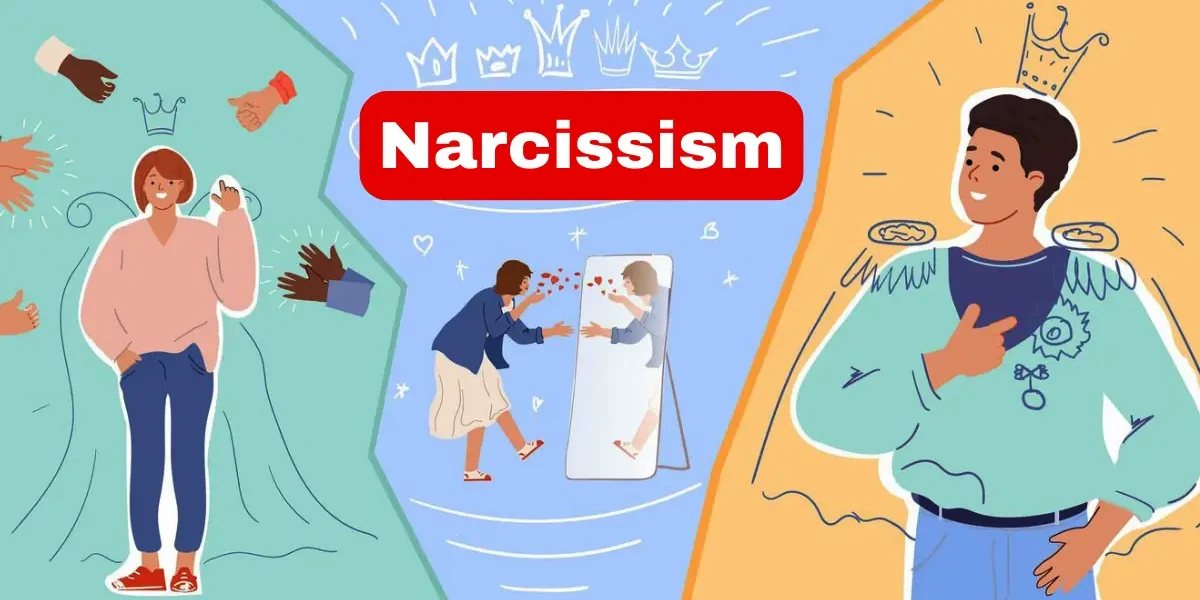
Narcissism is a term often thrown around in everyday conversations, but what does it really mean? While we all have moments of self-focus, true narcissism goes beyond simple vanity or confidence. It’s a complex personality trait that, in extreme cases, can develop into Narcissistic Personality Disorder (NPD), a mental health condition that affects relationships, work, and overall well-being.
Narcissism is a personality trait characterized by an inflated sense of self-importance, a deep need for excessive attention and admiration, and a lack of empathy for others. The term originates from Greek mythology, where Narcissus fell in love with his own reflection. In psychology, narcissism exists on a spectrum, ranging from healthy self-confidence to pathological narcissism, which can interfere with relationships and daily functioning. While everyone may display narcissistic traits occasionally, individuals with Narcissistic Personality Disorder (NPD) exhibit these behaviors persistently and to an extreme degree, often leading to difficulties in personal and professional relationships.
Narcissism is not a one-dimensional trait; psychologists have identified different subtypes, each with distinct behaviors and motivations. The most commonly recognized types are:
1. Grandiose Narcissism (Overt Narcissism)
Grandiose narcissism is the most recognizable form, marked by arrogance, dominance, and a strong desire for admiration. People with this type often exaggerate their achievements, believe they are superior to others, and expect special treatment. They may appear charismatic and confident but can become aggressive or dismissive when criticized. Unlike vulnerable narcissists, grandiose narcissists are less prone to insecurity and more likely to openly seek power and validation.
2. Vulnerable Narcissism (Covert Narcissism)
Vulnerable narcissism is a more hidden and fragile form of narcissism. These individuals may appear shy or insecure but still harbor a sense of entitlement and hypersensitivity to criticism. Unlike grandiose narcissists, they are prone to feelings of inadequacy and may react with passive-aggressive behavior when their ego is threatened. They often see themselves as victims and seek sympathy rather than overt admiration.
3. Malignant Narcissism
Malignant narcissism is considered the most severe and dangerous form, combining traits of NPD with antisocial behavior, aggression, and even sadism. These individuals lack remorse, manipulate others ruthlessly, and may engage in exploitative or abusive behaviors. Unlike other narcissists, they derive pleasure from dominating and harming others, making them particularly harmful in relationships.
4. Communal Narcissism
Communal narcissists derive their self-worth from being seen as the most caring, generous, or morally superior individuals. They may boast about their altruism and expect constant praise for their "selflessness," though their actions are often motivated by a need for validation rather than genuine empathy. This type can be manipulative, using their perceived goodness to control others.
Understanding these different types of narcissism helps in recognizing and managing relationships with narcissistic individuals. While some forms are more overt and aggressive, others are subtle yet equally damaging. Therapy and self-awareness can help mitigate narcissistic tendencies, but severe cases, such as malignant narcissism, often resist change.
Narcissism isn’t always easy to spot—especially because many people with narcissistic traits can initially appear charming, confident, and charismatic. However, over time, certain behavioral, emotional, and interpersonal patterns emerge that reveal deeper narcissistic tendencies. Below, we’ll explore the most common Narcissism Symptoms and Signs in detail, helping you identify them in yourself or others.
One of the most defining traits of narcissism is an inflated sense of self-worth. People with narcissistic tendencies often believe they are superior to others, even without evidence to support their claims. They may:
Boast excessively about their achievements, often embellishing or outright lying.
Expect to be recognized as special without putting in the necessary work.
Belittle others to maintain their own sense of superiority.
For example, a narcissistic coworker might take credit for a team project, insisting their role was the most critical while dismissing others’ contributions. This grandiosity isn’t just confidence—it’s an unrealistic self-view that often leads to friction in relationships and workplaces.
Narcissists crave validation and often surround themselves with people who feed their ego. They may:
Fish for compliments by subtly (or overtly) directing conversations toward their accomplishments.
Become irritable or withdrawn when they don’t receive the attention they believe they deserve.
Use social media excessively to showcase their "perfect" life, seeking likes and praise.
This need for admiration isn’t just about feeling good—it’s a psychological dependency. Without constant external validation, many narcissists feel empty or insecure, which can lead to anger, jealousy, or even depressive episodes.
A hallmark of narcissism is the inability to genuinely understand or care about others’ emotions. Narcissists may:
Dismiss others’ feelings, responding to distress with indifference or impatience.
Exploit people emotionally, using personal stories to manipulate rather than connect.
Struggle with reciprocity—conversations always revolve around them, with little interest in others’ lives.
For instance, if a friend shares a personal struggle, a narcissist might quickly redirect the conversation to their own experiences rather than offering support. This emotional detachment makes deep, meaningful relationships nearly impossible.
Narcissists often believe the world owes them—whether it’s special treatment, unearned rewards, or unquestioning loyalty. Signs of entitlement include:
Expecting favors without reciprocation (e.g., demanding help but never offering it).
Reacting with rage when denied something, even if the request was unreasonable.
Bending or breaking rules because they believe they’re "above" them.
A classic example? A narcissistic family member who insists on always having their way during holidays, becoming furious if plans don’t cater to their preferences.
Narcissists often use people as tools for personal gain. They may:
Take advantage of others’ kindness (e.g., borrowing money with no intention of repayment).
Manipulate emotions to control situations (e.g., guilt-tripping a partner into compliance).
See relationships as transactional—valuing people only for what they can provide.
In romantic relationships, this can look like love-bombing (overwhelming affection early on) followed by devaluation (sudden coldness or criticism once the narcissist feels secure).
Narcissists often project their own insecurities. They may:
Resent others’ success, even downplaying or sabotaging it.
Assume others envy them, even without evidence.
Struggle with genuine happiness for others, responding to good news with backhanded compliments.
For example, if a colleague gets a promotion, a narcissist might say, "Well, I could’ve gotten that if I wanted it," rather than offering congratulations.
Many narcissists talk down to others, using:
Patronizing tones (e.g., "Let me explain this simply so you understand.")
Mockery disguised as humor (targeting insecurities under the guise of "just joking").
Dismissive body language (eye rolls, sighs, interrupting).
This behavior reinforces their self-perceived superiority while eroding others’ self-esteem.
Despite their outward bravado, many narcissists harbor deep insecurity. When their self-image is threatened, they may:
React with extreme defensiveness (rage, silent treatment, or smear campaigns).
Blame others rather than admit fault.
Withdraw completely to avoid further criticism.
This vulnerable side of narcissism is often hidden but explains why they’re so sensitive to perceived slights.
Narcissism doesn’t develop in a vacuum. It emerges from a complex interplay of genetics, childhood experiences, social influences, and psychological factors. Understanding these root causes helps explain why some people develop narcissistic traits—and why others don’t. Below, we explore the key contributors in detail.
Research suggests that narcissistic traits have a hereditary component. Twin studies indicate that 50-60% of narcissistic tendencies can be linked to genetics, meaning if a close family member has strong narcissistic traits, you may be more likely to exhibit them as well.
Brain Structure Differences
Neuroimaging studies reveal that individuals with Narcissistic Personality Disorder (NPD) often show:
Reduced gray matter in brain regions linked to empathy (such as the anterior insula and prefrontal cortex).
Overactivity in reward-seeking areas, which may explain their constant need for admiration.
These findings suggest that some people may be biologically predisposed to narcissistic behavior, though environment still plays a major role.
A person’s early environment is one of the strongest predictors of narcissistic development. Psychologists have identified several parenting patterns that contribute:
Overvaluation (Excessive Praise Without Balance)
Parents who constantly tell their child they are "special," "perfect," or "better than others" without constructive feedback can foster grandiose narcissism.
Example: A child who is always told they’re the "smartest in the room" may grow up expecting constant admiration and struggling with criticism.
Neglect or Emotional Unavailability
Children who experience emotional neglect or inconsistent care may develop vulnerable narcissism—a defensive, insecure form of narcissism where they crave validation but fear rejection.
Example: A child ignored by busy parents might learn to exaggerate their needs to get attention.
Authoritarian or Abusive Parenting
Harsh criticism, unrealistic expectations, or emotional abuse can lead to maladaptive coping mechanisms, such as developing a false self to protect their ego.
Example: A child punished for showing vulnerability may learn to manipulate others to avoid feeling weak.
Inconsistent Parenting (Spoiling vs. Rejecting)
If parents alternate between overindulgence and sudden withdrawal, the child may grow up feeling entitled yet insecure, a hallmark of narcissism.
Example: A parent who spoils a child with gifts but ignores their emotional needs teaches them that love is transactional.
Society’s values shape personality development, and modern culture often rewards narcissistic traits.
Social Media and Self-Promotion
Platforms like Instagram and TikTok encourage curated self-images, where likes and followers become a measure of self-worth.
Studies show that heavy social media users score higher in narcissistic traits, as they learn to seek external validation over genuine self-esteem.
Celebrity Culture and Materialism
Media glorifies wealth, fame, and power, reinforcing the idea that success = superiority.
Young people exposed to this may adopt entitled attitudes, believing they deserve special treatment.
Competitive Environments
Schools, workplaces, and even families that emphasize winning at all costs can foster narcissistic behaviors like rivalry, exploitation, and lack of empathy.
Beyond genetics and upbringing, certain psychological mechanisms contribute to narcissism:
Fragile Self-Esteem (The Narcissistic Paradox)
Ironically, many narcissists have deep-seated insecurity. Their grandiosity is often a defense mechanism to mask feelings of inadequacy.
Example: A person who brags about their achievements may crumble when criticized, revealing their fragile self-worth.
Lack of Emotional Regulation
Narcissists often struggle with shame, anger, and rejection sensitivity, leading to outbursts or withdrawal when their ego is threatened.
Attachment Issues
Those with insecure attachment styles (avoidant or anxious) may develop narcissistic traits as a way to control relationships and avoid vulnerability.
While not all narcissism can be avoided, healthy parenting and social environments can reduce risk:
Praise effort, not just results – Teach children that hard work matters more than innate "superiority."
Encourage empathy – Help kids understand others’ feelings through discussions and role-playing.
Set boundaries – Avoid overindulgence; teach that respect is earned, not demanded.
Limit excessive social media exposure – Promote real-world connections over virtual validation.
Narcissism doesn’t appear overnight—it develops in stages, often rooted in early life experiences and reinforced over time. Understanding these Narcissism Stages can help identify when and how narcissistic traits take hold, whether in childhood, adolescence, or adulthood. While not everyone progresses to full-blown Narcissistic Personality Disorder (NPD), recognizing these patterns can offer insight into prevention and intervention.
The seeds of narcissism are often planted in early childhood, where a child’s sense of self begins to form. During this stage, parenting styles play a crucial role.
Overvaluation: Some children are excessively praised for minor achievements, leading to an inflated self-image. For example, a toddler who is constantly told they’re "the smartest" or "the most special" may grow up expecting constant admiration.
Neglect or Emotional Deprivation: On the flip side, children who experience emotional neglect may develop narcissistic traits as a defense mechanism. If a child’s emotional needs are ignored, they might learn to self-soothe by convincing themselves they don’t need others—only their own superiority matters.
Inconsistent Parenting: Alternating between extreme praise and harsh criticism can create confusion. A child might learn that love is conditional—only given when they’re "perfect"—leading to a lifelong need for validation.
Outcome: By age 6, some children already exhibit early signs of entitlement or hypersensitivity to criticism, setting the stage for further development of narcissistic traits.
Adolescence is a critical period for personality development. Teenagers with narcissistic tendencies often solidify their self-perception during this stage.
Grandiosity Takes Shape: A teenager might start believing they are destined for greatness without putting in effort. For example, a high school student who expects to become a famous musician overnight, despite lacking practice, may be displaying early narcissistic grandiosity.
Social Validation Seeking: With the rise of social media, many teens equate self-worth with likes and followers. Those with narcissistic traits may become obsessed with curating a "perfect" online image while dismissing real emotional connections.
Defensive Reactions to Criticism: A narcissistic teen may react with rage or withdrawal when faced with failure. For instance, a student who blames a teacher for a bad grade—rather than acknowledging their own lack of effort—shows classic narcissistic deflection.
Outcome: By late adolescence, narcissistic traits may become ingrained, especially if reinforced by social success (e.g., popularity, academic achievement without effort).
By adulthood, narcissistic patterns are usually well-established. However, life experiences can either reinforce these traits or, in some cases, lead to self-reflection.
Grandiose Narcissism in Adulthood: Many adults with strong narcissistic traits thrive in competitive careers (e.g., business, entertainment) where confidence and self-promotion are rewarded. However, their relationships often suffer due to lack of empathy.
Vulnerable Narcissism in Adulthood: Some narcissistic adults become increasingly insecure, especially if they face repeated failures. They may appear outwardly self-deprecating but still harbor a deep sense of entitlement ("I deserve better, even if I don’t try").
Crisis Points Leading to Change (or Collapse): Major life events—such as a failed marriage, job loss, or health crisis—can sometimes trigger self-awareness. However, many double down on their narcissistic defenses, blaming others rather than reflecting.
Outcome: Without intervention, narcissistic adults often struggle with:
Chronic relationship conflicts (high divorce rates, estranged family members)
Professional setbacks (difficulty working in teams, frequent job-hopping)
Mental health issues (depression, anxiety, substance abuse when their self-image is threatened)
Diagnosing narcissism involves a thorough evaluation by a mental health professional, as narcissistic traits exist on a spectrum, ranging from healthy self-confidence to pathological narcissism, as seen in Narcissistic Personality Disorder (NPD). Below are key aspects of the diagnostic process:
A formal diagnosis of Narcissistic Personality Disorder (NPD) is based on the Diagnostic and Statistical Manual of Mental Disorders (DSM-5) criteria, published by the American Psychiatric Association. According to the DSM-5, NPD is characterized by a pervasive pattern of grandiosity, a constant need for admiration, and a lack of empathy, beginning in early adulthood and present across various contexts. To be diagnosed, an individual must exhibit at least five of the nine specified traits, including an exaggerated sense of self-importance, fantasies of unlimited success, belief in their own uniqueness, a sense of entitlement, exploitative behavior, lack of empathy, envy of others, arrogance, and a preoccupation with success and power.
Mental health professionals, such as psychologists or psychiatrists, conduct structured clinical interviews to assess narcissistic traits. These interviews explore the individual’s behavior, relationships, emotional responses, and self-perception. Since individuals with NPD often lack insight into their condition, clinicians may also gather information from family members, partners, or close associates to gain a more objective perspective. Additionally, standardized personality assessments, such as the Personality Diagnostic Questionnaire (PDQ-4) or the Millon Clinical Multiaxial Inventory (MCMI), may be used to identify narcissistic tendencies.
Narcissism can overlap with other mental health conditions, making differential diagnosis crucial. For example, Borderline Personality Disorder (BPD), Antisocial Personality Disorder (ASPD), and Bipolar Disorder may share traits such as impulsivity, grandiosity, or interpersonal difficulties. A clinician must rule out these conditions before confirming NPD. Additionally, NPD often coexists with depression, anxiety, or substance abuse, particularly when the individual faces criticism, failure, or a loss of admiration, leading to emotional distress.
One of the biggest challenges in diagnosing narcissism is that individuals with NPD rarely seek treatment voluntarily, as they often believe others are the problem. They may only seek help for secondary issues, such as depression or relationship conflicts, rather than acknowledging their narcissistic traits. Furthermore, their tendency to manipulate or present a false self during evaluations can make accurate diagnosis difficult. Clinicians must remain objective and look for long-term behavioral patterns rather than relying solely on self-reports.
While there is no cure for NPD, psychotherapy—particularly Cognitive Behavioral Therapy (CBT) and Psychodynamic Therapy—can help individuals develop greater self-awareness, emotional regulation, and empathy. However, treatment success depends on the individual’s willingness to change, which is often limited in severe cases of narcissism. In some cases, medications may be prescribed to manage comorbid conditions like depression or anxiety, but no drug specifically treats NPD itself.
Narcissism, particularly Narcissistic Personality Disorder (NPD), has a complex prognosis that depends on various factors, including the severity of the condition, the individual's willingness to seek treatment, and the presence of comorbid mental health disorders. While some individuals with narcissistic traits may experience moderate improvements with therapy, others may struggle with long-term interpersonal difficulties and emotional instability. Below is a detailed exploration of the prognosis of narcissism.
1. Limited Self-Awareness and Resistance to Treatment
One of the biggest challenges in treating narcissism is the lack of self-awareness commonly seen in individuals with NPD. Many people with this disorder do not recognize their behaviors as problematic and instead blame others for their difficulties. This makes them resistant to therapy, as they may perceive seeking help as a sign of weakness. Even when they do engage in treatment, their defensive mechanisms, such as denial, projection, and grandiosity, can hinder progress. Without a genuine desire to change, the long-term prognosis remains poor.
2. Variable Outcomes Based on Narcissism Type
The prognosis can differ depending on the type of narcissism present. Those with vulnerable narcissism (characterized by insecurity and hypersensitivity) may be more likely to seek help due to their emotional distress, potentially leading to better therapeutic outcomes. In contrast, individuals with grandiose narcissism (marked by arrogance, dominance, and a lack of empathy) are less likely to acknowledge their issues, making treatment more difficult. Some research suggests that narcissistic traits may soften with age, particularly after midlife, as individuals face limitations that challenge their self-image.
3. Comorbid Mental Health Conditions
The presence of co-occurring disorders such as depression, anxiety, or substance abuse can complicate the prognosis. Some individuals with NPD may only seek treatment when they experience a personal crisis (e.g., job loss, divorce, or severe depression). If these comorbid conditions are addressed, therapy may indirectly help reduce narcissistic behaviors. However, if left untreated, these additional disorders can worsen narcissistic tendencies, leading to chronic emotional dysregulation and relationship failures.
4. Relationship Difficulties and Social Consequences
Narcissism often leads to long-term interpersonal struggles, including unstable relationships, frequent conflicts, and social isolation. People with NPD may cycle through friendships and romantic partnerships due to their lack of empathy, entitlement, and exploitative behaviors. Over time, this pattern can result in profound loneliness, though some narcissists may rationalize their failures by devaluing others. While a few may adapt by forming superficial connections, deep and meaningful relationships remain elusive, contributing to a decline in social and emotional well-being.
5. Potential for Improvement with Long-Term Therapy
Although narcissism is notoriously difficult to treat, long-term psychotherapy (such as psychodynamic therapy or cognitive-behavioral approaches) can help some individuals develop greater self-awareness and emotional regulation. Techniques like mentalization-based therapy (which focuses on understanding one's own and others' mental states) may also be beneficial. However, progress is typically slow, and relapse into old patterns is common. For those who remain committed to therapy, moderate improvements in empathy, relationships, and coping mechanisms are possible, but a full "cure" for NPD is rare.
Psychotherapy is the cornerstone of treatment for NPD, as it addresses the underlying thought patterns, emotional dysregulation, and interpersonal difficulties associated with the disorder. Several therapeutic approaches have shown promise in treating narcissistic traits:
1. Cognitive Behavioral Therapy (CBT)
CBT helps individuals with NPD identify and modify distorted thought patterns and maladaptive behaviors. A therapist works with the patient to challenge grandiose beliefs, develop realistic self-perceptions, and improve emotional responses to criticism or perceived slights. For example, a narcissistic individual may believe they are inherently superior to others, leading to frustration when they are not treated as such. CBT helps them recognize these cognitive distortions and replace them with more balanced thoughts. Additionally, CBT can assist in managing anger, reducing impulsivity, and improving empathy by teaching patients to consider others' perspectives.
2. Psychodynamic Therapy
This approach explores unconscious motivations and early life experiences that contribute to narcissistic behaviors. Many individuals with NPD develop their inflated self-image as a defense mechanism against deep-seated feelings of inadequacy or childhood emotional neglect. Psychodynamic therapy helps patients uncover these underlying insecurities, process unresolved trauma, and develop healthier coping mechanisms. Over time, this can lead to increased self-awareness and more authentic self-esteem rather than reliance on external validation.
3. Schema Therapy
Schema Therapy is particularly effective for NPD because it targets deeply ingrained life patterns (schemas) that develop in childhood. Many narcissistic individuals have schemas related to entitlement, emotional deprivation, or defectiveness, which drive their behavior. Schema Therapy helps them recognize these patterns, understand their origins, and replace them with healthier alternatives. Techniques such as "limited reparenting" (where the therapist provides some of the emotional support the patient lacked in childhood) can be particularly beneficial.
4. Dialectical Behavior Therapy (DBT)
While DBT was originally developed for Borderline Personality Disorder, it can also help individuals with NPD, especially those with emotional dysregulation or self-destructive tendencies. DBT focuses on mindfulness, distress tolerance, emotion regulation, and interpersonal effectiveness. For narcissistic patients, these skills can reduce reactive anger, improve frustration tolerance, and foster healthier relationships.
5. Group Therapy and Family Therapy
Group therapy can be beneficial for individuals with NPD, as it provides a structured environment where they can receive feedback from peers and practice empathy and social skills. However, care must be taken to ensure the group setting does not become a platform for narcissistic grandiosity or manipulation. Family therapy may also be helpful, as it addresses dysfunctional family dynamics that may reinforce narcissistic behaviors and educates loved ones on setting healthy boundaries.
There are no medications specifically approved to treat NPD, but pharmacotherapy may be used to manage co-occurring symptoms such as depression, anxiety, mood swings, or impulsivity. The decision to prescribe medication should be made carefully, as some individuals with NPD may misuse medications or resist taking them due to a belief that they do not need help.
1. Antidepressants (SSRIs/SNRIs): Selective Serotonin Reuptake Inhibitors (SSRIs) like fluoxetine (Prozac) or sertraline (Zoloft) and Serotonin-Norepinephrine Reuptake Inhibitors (SNRIs) like venlafaxine (Effexor) may be prescribed if the patient has comorbid depression or anxiety. These medications can help stabilize mood and reduce irritability, making it easier for the patient to engage in therapy.
2. Mood Stabilizers: For patients with intense mood swings or explosive anger, mood stabilizers such as lithium or lamotrigine (Lamictal) may be considered. These medications can help regulate emotional volatility and reduce aggressive outbursts.
3. Antipsychotics (Second-Generation): In cases where narcissistic individuals exhibit severe paranoia, delusions of grandeur, or significant aggression, low-dose antipsychotics like risperidone (Risperdal) or aripiprazole (Abilify) may be used to manage these symptoms.
4. Anti-Anxiety Medications: Benzodiazepines (e.g., clonazepam) are generally avoided due to their addictive potential, but short-term use may be considered for acute anxiety. However, given the risk of dependency and the potential for misuse in narcissistic individuals, non-addictive alternatives like buspirone (Buspar) are preferred.
Treating NPD presents several challenges:
Lack of Insight: Many narcissistic individuals do not believe they have a problem and may only seek treatment due to external pressures (e.g., relationship issues, job loss).
Resistance to Change: Therapy requires humility and self-reflection, which can be difficult for someone with NPD who is used to maintaining a self-enhancing self-image.
Manipulative Behaviors: Some patients may attempt to manipulate therapists, either by idealizing them to gain favor or devaluing them when confronted with uncomfortable truths.
Comorbidity: NPD often coexists with other disorders (e.g., depression, substance abuse, bipolar disorder), complicating treatment.
The prognosis for NPD varies depending on the individual’s willingness to engage in treatment and the severity of their symptoms. Long-term psychotherapy is often necessary to foster lasting change. While complete "recovery" from NPD is rare, many patients can learn to manage their symptoms, develop healthier relationships, and achieve a more balanced sense of self.
Key Takeaways for Patients and Clinicians
Therapy is essential—CBT, psychodynamic therapy, and schema therapy are the most effective approaches.
Medication is secondary—Used only for comorbid conditions, not NPD itself.
Progress takes time—Narcissistic traits are deeply ingrained and require consistent effort to change.
Support systems matter—Family and group therapy can reinforce positive behavioral changes.
In conclusion, while NPD is a difficult disorder to treat, a combination of psychotherapy, medication (when necessary), and a strong therapeutic alliance can lead to meaningful improvements in a patient’s life. Clinicians must approach treatment with patience, empathy, and firm boundaries to guide narcissistic individuals toward healthier functioning.
While not all narcissism can be prevented—especially when genetic factors are involved—certain parenting and social strategies can reduce the risk of developing extreme narcissistic traits. The key lies in fostering healthy self-esteem without fostering entitlement.
Children who are either excessively praised or chronically neglected are more likely to develop narcissistic tendencies. Parents can help by:
Praising effort, not just results – Instead of saying, “You’re the smartest!”, try, “I’m proud of how hard you worked.”
Setting realistic expectations – Overhyping a child’s abilities can create an inflated self-image.
Providing constructive criticism – Teaching kids to handle feedback prevents fragile egos.
Narcissism thrives when a child doesn’t learn to consider others’ feelings. Parents and educators can:
Encourage perspective-taking – Ask, “How do you think your friend felt when that happened?”
Model empathetic behavior – Children imitate adults; showing kindness and concern sets an example.
Reinforce sharing and cooperation – Team activities reduce self-centered thinking.
In today’s social media-driven world, kids (and adults) are bombarded with messages that equate likes, followers, and appearance with self-worth. To counter this:
Promote offline self-worth – Encourage hobbies, volunteering, and real-world achievements.
Discuss social media critically – Help kids understand that online personas are often exaggerated.
Children who experience neglect, abuse, or inconsistent parenting may develop narcissistic defenses as a coping mechanism. Early intervention through:
Therapy for childhood trauma – Helps prevent maladaptive coping strategies.
Stable, loving environments – Reduces the need for compensatory grandiosity.
While no method is foolproof, these approaches can lower the likelihood of pathological narcissism developing later in life.
Narcissistic Personality Disorder doesn’t just affect the individual—it disrupts relationships, careers, and mental health. Without treatment, the long-term Complications of Narcissism can be severe.
People with NPD often struggle to maintain healthy relationships due to:
Lack of empathy – Partners feel unheard and unimportant.
Manipulative behaviors – Gaslighting, love-bombing, and emotional abuse drive people away.
Extreme jealousy – Accusations and controlling behaviors create tension.
High divorce rates – Studies suggest that narcissists are more likely to divorce due to conflict and infidelity.
While some narcissists rise in their careers initially, their long-term professional success is often undermined by:
Inability to work in teams – Colleagues resent their dominance and lack of collaboration.
Burning bridges – Angry outbursts or refusal to accept feedback lead to job loss.
Self-sabotage – Overconfidence can result in reckless decisions.
Behind the facade of grandiosity, many narcissists suffer internally, leading to:
Depression – When their inflated self-image is challenged (e.g., job loss, aging).
Anxiety – Fear of being “exposed” as inadequate.
Substance abuse – Using alcohol or drugs to cope with shame or boredom.
Some narcissists, especially those with malignant traits, may face:
Fraud or unethical behavior – Cutting corners for personal gain.
Legal issues – Aggression, stalking, or financial exploitation of others.
Debt or financial ruin – Overspending to maintain a luxurious image.
Over time, narcissists may find themselves alone because:
Friends and family withdraw – Exhausted by their demands.
They reject people first – To avoid perceived rejection, they push others away.
Can These Complications Be Avoided?
Early Narcissism Treatment and Medication (like therapy) can mitigate some of these risks. However, because many narcissists deny they have a problem, complications often persist until they seek help.
Narcissism is complex—ranging from healthy confidence to a debilitating disorder. Recognizing the Narcissism Symptoms and Signs early can help in seeking support. While treatment is challenging, therapy offers hope for those willing to change.
If you suspect narcissism in yourself or a loved one, professional guidance is the best step forward. Understanding is the first step to healing.