















Dinners
How to Make Delicious Dahi Kebab at Home

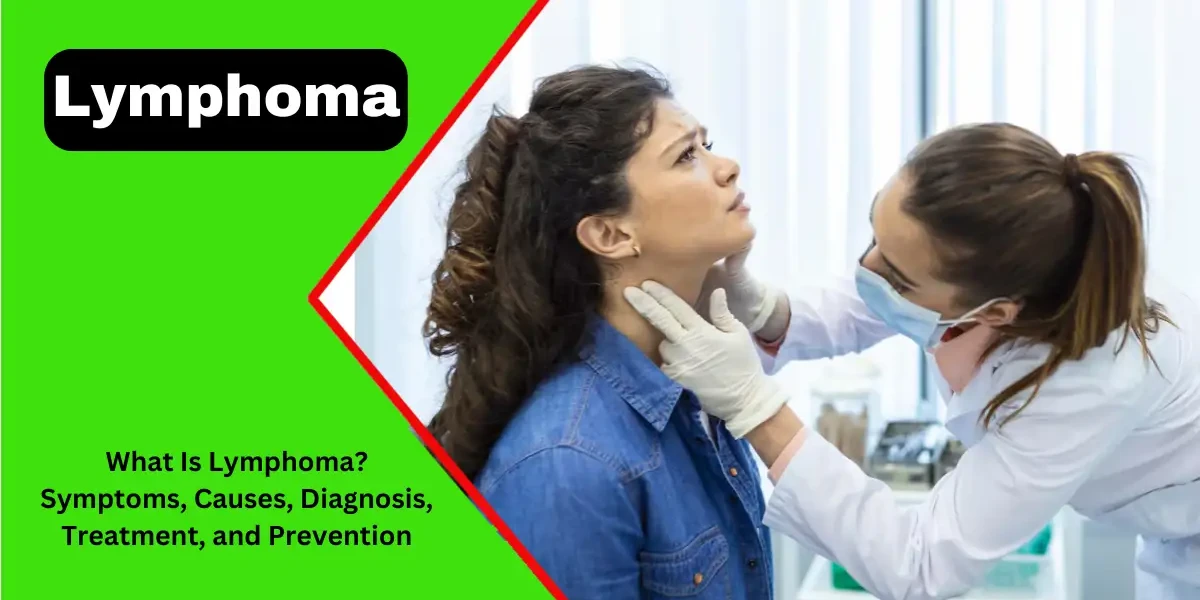
Lymphoma is a type of cancer that originates in the lymphatic system, a vital network of vessels, nodes, and organs that help the body fight infections. This disease develops when lymphocytes—white blood cells that play a key role in immunity—mutate and grow uncontrollably, forming tumors in lymph nodes, the spleen, bone marrow, or other tissues.
With more than 80,000 new cases diagnosed in the U.S. each year, lymphoma is one of the most common cancers affecting both adults and children. Understanding what lymphoma is, its different types, symptoms, and treatment options is crucial for early detection and effective management. This guide provides a thorough yet easy-to-follow breakdown of lymphoma, covering its causes, risk factors, stages, diagnosis methods, treatment approaches, and long-term outlook. Whether you're a patient, caregiver, or simply seeking reliable information, this article will help you navigate the complexities of lymphoma with clarity and confidence.
Lymphoma is a cancer of the lymphatic system, which is part of the body’s immune defense network. The lymphatic system includes lymph nodes, the spleen, the thymus, and bone marrow, all of which work together to filter harmful substances and produce infection-fighting white blood cells.
In lymphoma, abnormal lymphocytes (either B-cells or T-cells) multiply uncontrollably, crowding out healthy cells and forming tumors. Unlike solid tumors (such as those in breast or lung cancer), lymphoma can spread rapidly through the lymphatic and circulatory systems, making early detection critical.
There are two main categories of lymphoma:
Hodgkin lymphoma (HL) – Identified by the presence of Reed-Sternberg cells (large, abnormal B-cells).
Non-Hodgkin lymphoma (NHL) – More common, with over 60 subtypes, including aggressive and slow-growing forms.
While both types affect the lymphatic system, they differ in behavior, treatment response, and prognosis.
Lymphoma is classified into two major groups, each with distinct characteristics:
Hodgkin lymphoma is less common but highly treatable, especially when detected early. It is characterized by the presence of Reed-Sternberg cells, large abnormal B-cells that help doctors confirm the diagnosis.
Subtypes of Hodgkin lymphoma include:
Classical Hodgkin lymphoma (most cases, with variants like nodular sclerosis and mixed cellularity).
Nodular lymphocyte-predominant Hodgkin lymphoma (a rare, slower-growing form).
HL typically starts in a single lymph node and spreads predictably to adjacent nodes, making radiation therapy highly effective in early stages.
Non-Hodgkin lymphoma is more prevalent, accounting for about 90% of all lymphoma cases. It includes over 60 subtypes, broadly categorized as:
B-cell lymphomas (e.g., diffuse large B-cell lymphoma, follicular lymphoma).
T-cell lymphomas (e.g., peripheral T-cell lymphoma, cutaneous T-cell lymphoma).
NHL can be aggressive (fast-growing) or indolent (slow-growing). While aggressive lymphomas require immediate treatment, some indolent forms may only need monitoring.
Understanding the specific type of lymphoma is essential for determining the best treatment approach.
Lymphoma symptoms can vary widely, often resembling those of less serious illnesses like the flu or infections. However, persistent or worsening symptoms should prompt medical evaluation.
Common signs of lymphoma include:
Painless swollen lymph nodes (most often in the neck, armpits, or groin).
Unexplained weight loss (losing more than 10% of body weight in six months without trying).
Severe fatigue (not relieved by rest).
Drenching night sweats (soaking through clothes and bedding).
Persistent fever (without an obvious infection).
Itchy skin (especially in Hodgkin lymphoma).
Shortness of breath or coughing (if lymphoma affects lymph nodes in the chest).
Since these symptoms can be vague, doctors rely on further testing to confirm a lymphoma diagnosis.
Lymphoma is a type of cancer that originates in the lymphatic system, which is a crucial part of the body’s immune defense. While the exact cause of lymphoma remains unclear, researchers have identified several risk factors that may increase a person’s likelihood of developing this disease. Understanding these factors can help individuals recognize potential risks and seek early medical evaluation if necessary.
A weakened or compromised immune system is one of the most significant risk factors for lymphoma. When the immune system is not functioning properly, the body loses its ability to regulate lymphocyte (a type of white blood cell) growth, leading to uncontrolled cell division and cancer development. Conditions that impair immunity include:
HIV/AIDS – This virus attacks the immune system, specifically CD4 cells, making the body more susceptible to infections and cancers like lymphoma.
Autoimmune diseases – Conditions such as rheumatoid arthritis, lupus, and Sjögren’s syndrome force the immune system to remain in a chronically activated state, increasing the risk of lymphocyte mutations.
Organ transplant recipients – Patients who undergo organ transplants must take immunosuppressive drugs to prevent organ rejection, which inadvertently raises their lymphoma risk.
Certain viral and bacterial infections are strongly associated with lymphoma development because they can alter lymphocyte DNA or cause chronic immune stimulation. Key infections include:
Epstein-Barr Virus (EBV) – This common herpesvirus is linked to several lymphomas, including Burkitt lymphoma, Hodgkin lymphoma, and post-transplant lymphoproliferative disorder (PTLD). EBV infects B-cells and can trigger genetic changes that lead to cancer.
Helicobacter pylori (H. pylori) – This stomach bacterium is known to cause gastric MALT (mucosa-associated lymphoid tissue) lymphoma, a slow-growing B-cell lymphoma.
Human T-cell Lymphotropic Virus (HTLV-1) – This retrovirus is associated with adult T-cell leukemia/lymphoma (ATLL), an aggressive form of lymphoma.
Hepatitis C Virus (HCV) – Chronic HCV infection can lead to abnormal B-cell proliferation, increasing the risk of certain lymphomas.
While most lymphomas are not directly inherited, some genetic predispositions can elevate risk. These include:
Family history – Having a first-degree relative (parent, sibling, or child) with lymphoma slightly increases an individual’s risk, suggesting a possible genetic component.
Inherited immunodeficiency syndromes – Disorders like ataxia-telangiectasia, Wiskott-Aldrich syndrome, and common variable immunodeficiency (CVID) impair immune function and raise lymphoma susceptibility.
Chromosomal abnormalities – Certain genetic mutations, such as translocations involving the MYC, BCL2, or BCL6 genes, are found in lymphoma cells and contribute to their uncontrolled growth.
Exposure to certain chemicals and environmental toxins has been linked to an increased risk of lymphoma. These include:
Pesticides and herbicides – Agricultural workers exposed to chemicals like glyphosate have shown a higher incidence of lymphoma in some studies.
Benzene and industrial solvents – These chemicals, found in gasoline, rubber manufacturing, and certain dyes, are known carcinogens associated with blood cancers.
Radiation exposure – High doses of radiation, whether from medical treatments (like prior radiation therapy) or nuclear accidents, can damage lymphocyte DNA and trigger lymphoma.
Lymphoma risk varies by age and gender:
Age – Hodgkin lymphoma is most common in young adults (ages 15-35) and older adults (over 55), while non-Hodgkin lymphoma (NHL) risk increases steadily with age, particularly after 60.
Sex – Men are slightly more likely to develop lymphoma than women, though the reasons for this difference are not entirely clear.
Emerging research suggests that obesity may contribute to lymphoma development due to chronic inflammation and hormonal changes that affect immune function. Additionally, diets high in red meat, processed foods, and low in vegetables may slightly elevate risk, though more studies are needed.
Certain chemotherapy drugs and radiation therapy used to treat other cancers can, in rare cases, lead to secondary lymphomas years later. This is known as therapy-related lymphoma and is often aggressive.
Staging helps determine how far lymphoma has spread and guides treatment decisions. The Ann Arbor staging system is commonly used:
Stage I: Cancer is found in one lymph node region or a single organ outside the lymphatic system.
Stage II: Cancer affects two or more lymph node regions on the same side of the diaphragm (either above or below it).
Stage III: Lymphoma is present in lymph nodes on both sides of the diaphragm.
Stage IV: Cancer has spread widely, affecting organs like the liver, lungs, or bone marrow.
Additional Classifications:
"A" – No significant symptoms.
"B" – Presence of fever, night sweats, or weight loss.
Accurate staging is crucial for selecting the most effective treatment.
Diagnosing lymphoma involves several steps to confirm the disease and determine its type and stage.
1. Physical Examination: A doctor checks for swollen lymph nodes in the neck, armpits, or groin.
2. Blood Tests
Complete blood count (CBC) checks for abnormal cell levels.
Lactate dehydrogenase (LDH) levels may be elevated in aggressive lymphomas.
3. Imaging Scans: CT, PET, or MRI scans help locate tumors and assess spread.
4. Biopsy
A lymph node biopsy (removing part or all of a swollen node) is the most definitive test.
A bone marrow biopsy may be done if lymphoma is suspected in the bone marrow.
5. Molecular & Genetic Testing: Helps identify specific lymphoma subtypes for targeted therapy.
Early and accurate diagnosis improves treatment success.
Lymphoma is a type of cancer that originates in the lymphatic system, which is part of the body's immune defense. It primarily affects lymphocytes, a type of white blood cell, and is categorized into two main types: Hodgkin lymphoma (HL) and non-Hodgkin lymphoma (NHL). The treatment approach depends on the subtype, stage, aggressiveness, and the patient’s overall health. The primary treatment modalities include chemotherapy, immunotherapy, targeted therapy, radiation therapy, stem cell transplantation, and in some cases, watchful waiting.
Chemotherapy is the backbone of lymphoma treatment and involves using powerful drugs to kill rapidly dividing cancer cells. The drugs can be administered orally or intravenously and are often given in combinations (regimens) to maximize effectiveness. Common chemotherapy regimens for lymphoma include:
CHOP (Cyclophosphamide, Doxorubicin, Vincristine, Prednisone) – widely used for aggressive NHL.
ABVD (Doxorubicin, Bleomycin, Vinblastine, Dacarbazine) – standard for Hodgkin lymphoma.
R-CHOP – CHOP combined with rituximab (an immunotherapy drug), improving outcomes in B-cell NHL.
Chemotherapy can cause side effects such as fatigue, hair loss, nausea, low blood cell counts, and increased infection risk, but supportive medications (like anti-nausea drugs and growth factors) help manage these effects.
Immunotherapy enhances the body’s immune system to recognize and attack lymphoma cells. Key drugs include:
Monoclonal Antibodies (e.g., Rituximab, Obinutuzumab, Brentuximab Vedotin): These target specific proteins (like CD20 or CD30) on lymphoma cells, marking them for destruction by the immune system.
Checkpoint Inhibitors (e.g., Pembrolizumab, Nivolumab): These block proteins (PD-1/PD-L1) that prevent immune cells from attacking cancer, particularly useful in relapsed/refractory cases.
CAR-T Cell Therapy: A groundbreaking treatment where a patient’s T-cells are genetically modified to attack lymphoma cells. Drugs like Axicabtagene Ciloleucel (Yescarta) and Tisagenlecleucel (Kymriah) have shown remarkable success in aggressive B-cell lymphomas.
Unlike chemotherapy, which affects all rapidly dividing cells, targeted therapy focuses on specific molecular pathways in lymphoma cells. Examples include:
BTK Inhibitors (e.g., Ibrutinib, Acalabrutinib): Block Bruton’s tyrosine kinase, crucial for B-cell survival, effective in mantle cell lymphoma and chronic lymphocytic leukemia (CLL).
PI3K Inhibitors (e.g., Idelalisib, Copanlisib): Disrupt cell growth signals in certain NHL subtypes.
Proteasome Inhibitors (e.g., Bortezomib): Used in mantle cell lymphoma, interfering with protein breakdown in cancer cells.
Radiation uses high-energy beams to destroy cancer cells in a localized area. It’s often used:
As primary treatment for early-stage Hodgkin lymphoma (with chemotherapy).
For localized low-grade NHL or to relieve symptoms (e.g., pain from enlarged lymph nodes).
Side effects may include skin irritation, fatigue, and long-term risks like secondary cancers.
For aggressive or relapsed lymphoma, a stem cell transplant (SCT) may be necessary. There are two types:
Autologous SCT: The patient’s own stem cells are harvested, followed by high-dose chemotherapy to kill remaining cancer cells, then reinfused.
Allogeneic SCT: Stem cells come from a donor, offering a graft-versus-lymphoma effect but with higher risks (graft-versus-host disease).
In slow-growing (indolent) lymphomas (e.g., follicular lymphoma), immediate treatment may not be needed if the patient is asymptomatic. Regular monitoring is done until symptoms or disease progression occurs.
New drugs like bispecific antibodies (e.g., Mosunetuzumab, Glofitamab) and next-gen CAR-T therapies are under investigation, showing promise in resistant lymphomas.
Lymphoma treatment is highly personalized, balancing efficacy with quality of life. Advances in immunotherapy and targeted therapy have significantly improved survival rates, offering hope even for advanced cases. Patients should discuss all options, including clinical trials, with their oncologist.
The outlook for lymphoma varies widely:
Hodgkin lymphoma has a high cure rate, with 85-90% survival in early stages.
Aggressive NHL (like diffuse large B-cell lymphoma) can often be cured with prompt treatment.
Indolent NHL (like follicular lymphoma) may not be curable but can be managed for years.
Factors affecting prognosis:
Stage at diagnosis.
Age and overall health.
Response to treatment.
Advances in therapy continue to improve survival rates.
Lymphoma is a type of cancer that originates in the lymphatic system, which is a critical part of the body’s immune defense. While not all cases of lymphoma can be prevented—since some risk factors like genetics and age are beyond our control—there are several evidence-based strategies that may reduce the risk of developing this disease. Prevention focuses on minimizing exposure to known risk factors, maintaining a healthy immune system, and adopting lifestyle habits that promote overall well-being.
Certain infections are strongly linked to lymphoma, particularly those that weaken the immune system or cause chronic inflammation. For example:
Epstein-Barr Virus (EBV), which causes mononucleosis, is associated with Hodgkin lymphoma and some non-Hodgkin lymphomas. While EBV is extremely common, avoiding close contact with infected individuals (such as sharing drinks or utensils) may reduce transmission.
Human T-cell Lymphotropic Virus (HTLV-1) and Hepatitis C (HCV) are also linked to lymphoma. Preventing exposure through safe sex practices, avoiding needle sharing, and ensuring blood transfusions are screened can lower risk.
Helicobacter pylori (H. pylori), a bacterium causing stomach ulcers, is linked to gastric MALT lymphoma. Treating H. pylori infections with antibiotics may prevent this rare lymphoma subtype.
A well-functioning immune system is crucial in preventing cancers, including lymphoma. Chronic immune suppression (such as from HIV or long-term immunosuppressive drugs after organ transplants) increases lymphoma risk. To support immune health:
Manage HIV effectively with antiretroviral therapy (ART) to keep viral loads low.
Vaccinations (e.g., Hepatitis B, HPV) can prevent infections that may lead to chronic inflammation and lymphoma.
Autoimmune diseases (like rheumatoid arthritis or lupus) require careful management, as chronic inflammation may elevate lymphoma risk.
Certain chemicals and radiation have been linked to lymphoma:
Pesticides and herbicides (e.g., glyphosate) have been associated with non-Hodgkin lymphoma in agricultural workers. Using protective gear and minimizing exposure may help.
Benzene, found in gasoline, tobacco smoke, and industrial solvents, is a known carcinogen. Avoiding smoking and limiting exposure in workplaces is crucial.
Ionizing radiation (from excessive medical imaging or nuclear exposure) may increase risk, so unnecessary CT scans or X-rays should be avoided when possible.
While no specific diet prevents lymphoma, a balanced lifestyle supports immune function:
Diet: A diet rich in fruits, vegetables, whole grains, and lean proteins provides antioxidants and anti-inflammatory benefits. Processed meats and excessive alcohol should be limited.
Exercise: Regular physical activity helps regulate immune function and reduces chronic inflammation.
Weight management: Obesity is linked to inflammation and may slightly increase lymphoma risk.
Smoking cessation: Smoking introduces carcinogens that may contribute to lymphoma and other cancers.
For individuals with high-risk conditions (such as family history or autoimmune disorders), regular medical check-ups can help detect early signs. While lymphoma cannot always be prevented, early diagnosis improves treatment outcomes.
While lymphoma cannot be entirely prevented, reducing known risk factors—such as infections, environmental toxins, and immune suppression—along with maintaining a healthy lifestyle, can lower the likelihood of developing this cancer. Patients with risk factors should discuss personalized prevention strategies with their healthcare providers. Awareness and proactive health measures remain the best defense against lymphoma.
Lymphoma and its treatments can lead to several serious complications, primarily due to the disease’s impact on the immune system and the toxicity of therapies like chemotherapy and radiation. One of the most significant risks is infection, which occurs because lymphoma itself weakens immune function by crowding out healthy white blood cells, and treatments like chemotherapy further suppress the bone marrow’s ability to produce infection-fighting cells. Patients are particularly vulnerable to opportunistic infections (such as pneumonia, fungal infections, or reactivation of viruses like herpes zoster) and sepsis, a life-threatening systemic infection. Preventative measures, including prophylactic antibiotics, antiviral medications, and vaccinations (when possible), are critical for high-risk patients.
Another major concern is the development of secondary cancers, which can arise years after treatment. Chemotherapy drugs like alkylating agents and topoisomerase inhibitors can damage DNA in healthy cells, increasing the risk of acute myeloid leukemia (AML) or myelodysplastic syndromes (MDS). Radiation therapy also elevates the risk of solid tumors, such as breast, lung, or thyroid cancer, in irradiated areas. Survivors require long-term monitoring with regular blood tests and imaging to detect these secondary malignancies early.
Organ damage is another potential complication, particularly if lymphoma spreads aggressively. Large tumors can compress vital structures—such as the superior vena cava (causing SVC syndrome), the spinal cord (leading to paralysis), or the kidneys (resulting in renal failure). Additionally, some lymphomas infiltrate organs like the liver, lungs, or brain, impairing their function. In such cases, emergency treatments like steroids, radiation, or surgery may be necessary to relieve pressure and prevent permanent damage.
Finally, lymphedema—a chronic, often debilitating swelling—can develop if lymphoma or its treatment damages the lymphatic system. When lymph nodes are removed by surgery or scarred by radiation, lymph fluid accumulates in tissues, typically in the arms or legs, causing pain, skin thickening, and recurrent infections. Management includes compression garments, manual lymphatic drainage therapy, and, in severe cases, surgical interventions like lymphovenous bypass.
Understanding these complications helps patients and doctors take proactive steps to mitigate risks through preventative care, vigilant monitoring, and early intervention. If you or a loved one are undergoing lymphoma treatment, regular follow-ups with your oncology team are essential to manage these potential long-term effects.
Lymphoma is a complex but treatable cancer. Recognizing lymphoma symptoms and signs, understanding lymphoma causes and risk factors, and seeking timely lymphoma diagnosis can significantly improve outcomes. Advances in lymphoma treatment and medication offer hope, even for aggressive forms.
If you or a loved one experience persistent symptoms, consult a doctor. With early intervention, many patients achieve remission and lead fulfilling lives. Stay informed, stay proactive, and never underestimate the power of medical science in fighting lymphoma.
Yes, many people survive lymphoma, especially with early diagnosis and treatment. Survival rates vary depending on the type and stage of lymphoma.
Lymphoma is a serious cancer, but many types are highly treatable, especially Hodgkin lymphoma and some non-Hodgkin lymphomas.
Common symptoms include:
Swollen lymph nodes (painless lumps in the neck, armpits, or groin)
Fatigue
Unexplained weight loss
Night sweats
Fever
Itchy skin
In rare cases, aggressive lymphomas (like some types of non-Hodgkin lymphoma) can progress to leukemia, but this is not common.
Some types, like Hodgkin lymphoma and certain non-Hodgkin lymphomas, can be cured in many cases. However, "100% cure" depends on individual factors like stage, subtype, and response to treatment.
Yes, many patients achieve complete remission and live cancer-free for years. Some slow-growing lymphomas may require ongoing management rather than a full cure.
Yes, certain lymphomas (especially Hodgkin lymphoma and some aggressive non-Hodgkin lymphomas) can be cured with treatments like chemotherapy, immunotherapy, or stem cell transplants.
Lymphoma itself is usually not painful, but enlarged lymph nodes may cause discomfort. Some treatments (like chemotherapy) can cause pain or side effects.
Stage 4 lymphoma is advanced but can still be treatable. Hodgkin lymphoma has high cure rates even at stage 4, while some aggressive non-Hodgkin lymphomas may also respond well to therapy.
Stage 4 is the most advanced, meaning the cancer has spread to distant organs (like the liver, lungs, or bone marrow). Treatment focuses on controlling the disease and improving quality of life.
Most lymphomas are not directly inherited, but some genetic factors may increase risk. Family history of lymphoma or immune-related conditions can slightly raise susceptibility.
Success varies by lymphoma type:
Hodgkin lymphoma: Over 80-90% cure rate with chemotherapy + radiation.
Aggressive non-Hodgkin lymphoma: Around 60-70% respond well to chemo (like R-CHOP).
Indolent (slow-growing) lymphomas: May not be curable but often controlled for years.