















Dinners
How to Make Delicious Dahi Kebab at Home

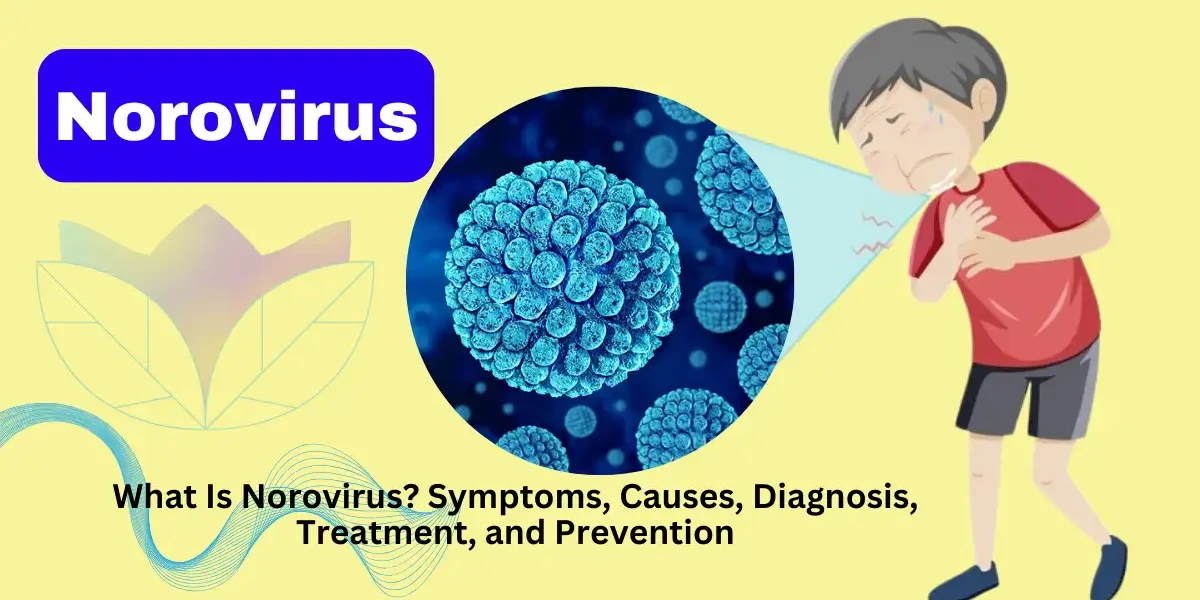
Norovirus is one of the most common causes of acute gastroenteritis—often referred to as the "stomach flu," though it’s unrelated to influenza. This highly contagious virus leads to sudden-onset vomiting, diarrhea, and stomach cramps, spreading rapidly in crowded environments like schools, cruise ships, and nursing homes.
Norovirus is a highly contagious virus that causes acute gastroenteritis, leading to symptoms such as vomiting, diarrhea, stomach cramps, nausea, and sometimes fever. It is often referred to as the "stomach flu," although it is not related to influenza. The virus spreads easily through contaminated food, water, surfaces, or direct contact with an infected person. Outbreaks frequently occur in crowded environments like schools, cruise ships, nursing homes, and hospitals. Norovirus infections typically last for 1–3 days, and most people recover without medical treatment, though dehydration can be a risk, especially in young children, older adults, and those with weakened immune systems.
Norovirus is a highly contagious virus that causes acute gastroenteritis, leading to symptoms such as vomiting, diarrhea, and stomach cramps. It is a significant cause of outbreaks in crowded environments like schools, cruise ships, and healthcare facilities. Noroviruses are classified into different genogroups and genotypes based on genetic variations. Below are the main types of noroviruses and their characteristics:
Noroviruses are divided into 10 genogroups (GI-GX), with GI, GII, and GIV being the most common in human infections. Among these, GII is the most prevalent and responsible for the majority of outbreaks worldwide. Each genogroup is further divided into genotypes (or genotypes), which are distinct strains. For example, GII.4 is the most dominant genotype and has been associated with large-scale epidemics due to its ability to evolve rapidly, evading immune responses.
The GII.4 strain has been the leading cause of norovirus outbreaks since the 1990s, with multiple variants emerging over time (e.g., Sydney 2012, New Orleans 2009). Other notable strains include GI.1 (Norwalk virus), the first norovirus identified, and GII.2 and GII.17, which have also caused significant outbreaks. While GII.4 remains dominant, other strains periodically surge in activity, highlighting the virus's genetic diversity.
Some norovirus genogroups primarily infect animals rather than humans. For instance, GIII affects cattle, GIV has been found in humans, dogs, and lions, and GV infects mice. Although zoonotic transmission (animal-to-human spread) is rare, research suggests that animal noroviruses could potentially adapt to humans, posing a future public health risk.
Noroviruses, particularly GII.4, frequently mutate, leading to new variants that can escape prior immunity. This is why people can get infected multiple times throughout their lives. The virus's rapid evolution contributes to its persistence in the population, making vaccine development challenging. Surveillance of emerging strains is crucial for outbreak prevention and control.
Norovirus strikes quickly, often with sudden and intense symptoms that can leave individuals severely dehydrated and exhausted. While the illness is usually short-lived, recognizing the signs early can help manage discomfort and prevent further spread. Below is a detailed breakdown of the most common symptoms associated with Norovirus infection.
1. Sudden and Severe Vomiting: One of the hallmark symptoms of Norovirus is violent, projectile vomiting, which can occur without warning. Unlike mild nausea seen in food poisoning, Norovirus-induced vomiting is often frequent and uncontrollable, sometimes lasting for several hours. This symptom is particularly dangerous in young children and the elderly, as it can lead to rapid dehydration. In some cases, vomiting may be so forceful that it causes aching abdominal muscles or even small tears in the esophagus (though rare).
2. Watery Diarrhea: Alongside vomiting, profuse, non-bloody diarrhea is another defining feature of Norovirus. The stools are typically loose, watery, and frequent, sometimes occurring multiple times within an hour. Unlike bacterial infections (such as Salmonella or E. coli), Norovirus diarrhea rarely contains mucus or blood. However, the sheer volume of fluid loss can quickly lead to dehydration, making it crucial to replace lost fluids and electrolytes promptly.
3. Stomach Cramps and Abdominal Pain: Many Norovirus sufferers describe intense stomach cramps, often likened to sharp, twisting pains in the gut. These cramps result from intestinal inflammation as the virus attacks the lining of the digestive tract. The pain may come in waves, worsening before vomiting or a bowel movement. Some people also experience bloating and gassiness, adding to the discomfort.
4. Nausea and Loss of Appetite: Even before vomiting begins, many patients report a sudden, overwhelming nausea that makes eating or drinking nearly impossible. This nausea can persist even after vomiting stops, sometimes lingering for a day or two. As a result, most people with Norovirus avoid food entirely during the worst of the illness, which is fine as long as they stay hydrated.
5. Low-Grade Fever and Chills: While not everyone develops a fever, some individuals—especially children—may experience a mild fever (usually below 101°F or 38.3°C) along with chills and body aches. This low-grade fever is the immune system’s response to the infection. However, if a fever spikes above 102°F (39°C) or lasts more than a couple of days, it could signal a secondary infection, requiring medical attention.
6. Headache and Muscle Aches: Dehydration and the body’s immune response often lead to dull headaches and generalized body aches, similar to those experienced with the flu. Fatigue is also common, as the body diverts energy to fighting the virus. Some people report lightheadedness, particularly when standing up quickly, due to fluid loss.
Because Norovirus causes rapid fluid loss, dehydration is the biggest risk—especially in infants, elderly individuals, and those with chronic illnesses. Warning signs include:
Dry mouth and extreme thirst
Dark yellow urine or very little urination
Sunken eyes or cheeks
Dizziness or confusion
Rapid heartbeat
In infants: No wet diapers for 3+ hours, fussiness, or lethargy
Severe dehydration may require hospitalization for IV fluids, particularly if vomiting prevents oral rehydration.
How Long Do Symptoms Last?
For most healthy adults, symptoms peak within the first 24 hours and gradually improve over 1–3 days. However, some people (particularly the very young, elderly, or immunocompromised) may experience prolonged symptoms or lingering fatigue for up to a week.
Norovirus is extremely contagious, spreading through multiple pathways. Understanding how it transmits and who is most at risk can help prevent infections and outbreaks.
The virus primarily spreads through the fecal-oral route, meaning tiny particles from an infected person’s stool or vomit enter another person’s mouth. This can happen in several ways:
Contaminated Food and Water: Norovirus is a leading cause of foodborne illness. Foods like raw shellfish (especially oysters), unwashed fruits and vegetables, and improperly handled meals can carry the virus. Infected food workers who don’t wash their hands properly can also contaminate dishes.
Direct Person-to-Person Contact: Close contact with someone who has Norovirus—such as caring for a sick family member or shaking hands—can transfer the virus. Even tiny amounts of vomit or stool particles on hands can lead to infection if they touch the mouth.
Touching Contaminated Surfaces: The virus can survive for weeks on hard surfaces like doorknobs, countertops, and elevator buttons. If an infected person vomits or doesn’t wash their hands well, they can leave behind virus particles that others unknowingly pick up.
Airborne Transmission (Less Common but Possible): When an infected person vomits, tiny droplets can become aerosolized, allowing others to inhale the virus. This is why outbreaks often happen in confined spaces like cruise ships, schools, and nursing homes.
While anyone can get Norovirus, certain groups are more likely to experience severe symptoms or complications:
Young Children (Under 5): Their immune systems are still developing, and they’re more prone to dehydration from vomiting and diarrhea. Daycare centers are common outbreak sites due to close contact and shared toys.
Older Adults (65+): Aging weakens the immune system, making seniors more susceptible to prolonged illness. Nursing homes and assisted living facilities often see rapid outbreaks because of shared living spaces.
People with Weakened Immune Systems: Those with conditions like HIV/AIDS, cancer patients on chemotherapy, or organ transplant recipients taking immunosuppressants may struggle to fight off the virus quickly, leading to longer-lasting symptoms.
Individuals in Crowded Environments: College dorms, military barracks, cruise ships, and hospitals are high-risk settings where Norovirus can spread explosively. A single infected person can trigger an outbreak affecting dozens.
Healthcare Workers and Food Handlers: Because they interact with many people, they’re at higher risk of exposure—and if infected, they can unknowingly spread the virus to vulnerable populations.
Low Infectious Dose: It takes as few as 18 virus particles to make someone sick, meaning even microscopic contamination can cause infection.
Resilience on Surfaces: Unlike many viruses, Norovirus can survive on surfaces for weeks and resists many common disinfectants.
No Long-Term Immunity: Even if you’ve had Norovirus before, you can get infected again because multiple strains exist, and immunity is short-lived.
By knowing how Norovirus spreads and who is most vulnerable, people can take better precautions—especially in high-risk settings. Proper hygiene, surface disinfection, and isolation of sick individuals are key to preventing outbreaks.
Norovirus infections follow a distinct progression, from initial exposure to full recovery. Understanding these stages can help you recognize the illness early, manage symptoms effectively, and prevent further spread.
1. Incubation Period (12–48 Hours After Exposure)
During this phase, the virus enters the body—typically through the mouth—and begins multiplying in the intestines. Despite no visible symptoms, the virus is already replicating, preparing to trigger an immune response. This silent phase explains why people can unknowingly spread Norovirus before feeling sick. Some individuals may experience mild fatigue or discomfort, but most remain unaware of the infection until symptoms suddenly appear.
2. Acute Phase (1–3 Days of Illness)
This is when Norovirus strikes hardest. Symptoms erupt abruptly, often starting with violent vomiting, watery diarrhea, and intense stomach cramps. Nausea is severe, and some people develop a low-grade fever, headache, and body aches. Dehydration is a major risk due to fluid loss, particularly in young children, older adults, or those with weakened immune systems. The acute phase is highly contagious—vomiting can aerosolize virus particles, contaminating surfaces and nearby individuals.
3. Recovery Phase (1–2 Days After Symptoms Peak)
The worst symptoms subside, but fatigue and weakness may linger. The digestive system remains sensitive, so reintroducing bland foods (like the BRAT diet—bananas, rice, applesauce, toast) is advisable. Some people mistake this phase for full recovery and return to work or school too soon, risking relapse or spreading the virus.
4. Viral Shedding (Up to 2 Weeks After Recovery)
Even after symptoms disappear, Norovirus can remain in stool for weeks, posing a transmission risk. This is why strict hygiene—thorough handwashing, avoiding food preparation, and disinfecting surfaces—is crucial long after feeling better. Immunocompromised individuals may shed the virus for months, requiring extra precautions.
Diagnosing norovirus typically relies on a combination of symptom assessment, exposure history, and laboratory testing—especially in outbreak settings where confirmation is crucial for public health measures. Since symptoms like vomiting and diarrhea can overlap with other infections (such as rotavirus or food poisoning), doctors may use specific tests to confirm norovirus.
In most cases, norovirus is diagnosed based on sudden-onset symptoms, particularly if multiple people in a shared environment (like a school or nursing home) fall ill around the same time. Doctors look for:
Projectile vomiting (a hallmark of norovirus)
Watery, non-bloody diarrhea
Stomach cramps and nausea
Short duration (1–3 days)
If a patient reports recent exposure to someone with norovirus or an outbreak area, this further supports the diagnosis. However, since symptoms alone aren’t definitive, lab testing may be needed for confirmation.
For severe cases, outbreaks, or high-risk patients (such as hospitalized individuals), laboratory testing is used to confirm norovirus. The most common methods include:
RT-PCR (Reverse Transcription-Polymerase Chain Reaction) – The gold standard for norovirus detection, this test identifies viral genetic material in stool samples with high accuracy. It’s often used in outbreak investigations.
Enzyme Immunoassay (EIA) – A rapid test that detects norovirus antigens, but it’s less sensitive than PCR and may miss some cases.
Electron Microscopy (Less Common) – Historically used to visualize virus particles, but this method is rare today due to the availability of faster, more reliable tests.
Public health agencies (like the CDC) may also conduct genotyping during outbreaks to track specific norovirus strains, helping identify sources of contamination.
Most people recover without needing lab confirmation, but testing is recommended in:
Suspected outbreaks (e.g., in schools, cruise ships, or healthcare facilities)
Severe or prolonged cases (lasting beyond 3 days)
High-risk patients (immunocompromised individuals, elderly, or infants with dehydration)
Asymptomatic shedding: Even after recovery, people can spread the virus for weeks, making containment challenging.
False negatives: Rapid tests (like EIAs) may miss infections, so PCR is preferred for accuracy.
The prognosis for Norovirus infection is generally very good, with most healthy individuals recovering fully within 1–3 days without long-term complications. The body’s immune system typically clears the virus on its own, and symptoms like vomiting and diarrhea subside as the infection runs its course. However, certain groups—such as young children, older adults, and immunocompromised individuals—may experience a more severe course of illness. In these cases, dehydration can become a serious concern, sometimes requiring hospitalization for intravenous (IV) fluids.
While fatalities from Norovirus are rare, they can occur in vulnerable populations, particularly in nursing homes or hospitals where outbreaks spread quickly. According to the CDC, Norovirus contributes to about 900 deaths annually in the U.S., mostly among elderly individuals with weakened immune systems. Additionally, people with chronic illnesses (such as kidney disease or heart conditions) may face prolonged recovery due to the strain that dehydration places on their bodies. Despite the unpleasant symptoms, most people regain their strength within a week and return to normal activities without lingering effects.
The duration of Norovirus illness varies, but most people experience symptoms for 24 to 72 hours, with the worst of the vomiting and diarrhea occurring in the first 24–48 hours. Unlike bacterial infections, which may require antibiotics, Norovirus is a self-limiting virus, meaning it typically resolves on its own without medical intervention. However, some individuals—especially those with weaker immune systems—may experience prolonged symptoms for up to a week.
Even after recovery, the virus can remain in the body and continue shedding in stool for up to two weeks, posing a risk of transmission to others. This is why proper hygiene—such as thorough handwashing and avoiding food preparation—is crucial even after symptoms disappear. Fatigue and mild digestive discomfort (like bloating or occasional loose stools) may linger for a few extra days, but most people regain their appetite and energy quickly. In rare cases, repeated exposure to different Norovirus strains can lead to recurrent infections, as immunity to one strain doesn’t always protect against others.
For those wondering when it’s safe to return to work or school, health experts recommend waiting at least 48 hours after symptoms stop to prevent spreading the virus to others. If symptoms persist beyond three days or signs of severe dehydration (such as dizziness, rapid heartbeat, or dark urine) develop, medical attention should be sought to avoid complications.
Since there is no specific antiviral medication to treat Norovirus, management focuses on alleviating symptoms, preventing dehydration, and supporting recovery. The illness is usually self-limiting, meaning it resolves on its own within a few days. However, proper care is crucial to avoid complications, especially in vulnerable groups like young children, older adults, and those with weakened immune systems.
The most significant risk with Norovirus is dehydration due to excessive vomiting and diarrhea. Replenishing lost fluids and electrolytes is essential. The best options include:
Oral rehydration solutions (ORS) like Pedialyte or homemade solutions (clean water, salt, and sugar) to restore electrolyte balance.
Clear broths, herbal teas, or diluted fruit juices (avoid high-sugar drinks, which can worsen diarrhea).
Small, frequent sips rather than large amounts at once to prevent triggering more vomiting.
In severe cases where a person cannot keep fluids down, intravenous (IV) fluids in a hospital may be necessary.
While appetite may be low, gradually reintroducing bland, easy-to-digest foods can help. The BRAT diet (bananas, rice, applesauce, toast) is often recommended because these foods are gentle on the stomach. Other suitable options include:
Plain crackers or oatmeal
Boiled potatoes or steamed vegetables
Lean proteins like chicken or tofu (once vomiting subsides)
Avoid dairy, fatty, spicy, or high-fiber foods until digestion normalizes, as they can irritate the stomach further.
Anti-nausea medications (like ondansetron) may be prescribed in severe cases to control vomiting, particularly in children.
Pain relievers (such as acetaminophen) can help with fever and body aches, but avoid ibuprofen or aspirin, as they may upset the stomach.
Anti-diarrheal medications (like loperamide/Imodium) should be used cautiously—while they can reduce diarrhea, they may prolong the infection by preventing the body from flushing out the virus.
Important: Antibiotics are ineffective against Norovirus since it is a viral, not bacterial, infection.
Since Norovirus is extremely contagious, infected individuals should:
Stay home until at least 48 hours after symptoms stop (even if feeling better).
Avoid preparing food for others during recovery.
Use separate towels and utensils to minimize household transmission.
Most cases resolve without medical intervention, but seek immediate care if:
Signs of severe dehydration (sunken eyes, dizziness, no urination for 12+ hours).
Blood in vomit or stool.
Symptoms last longer than 3 days or worsen.
Norovirus is notoriously contagious, spreading quickly in homes, schools, hospitals, and other crowded places. Since there’s no vaccine, prevention relies on strict hygiene and smart habits. Here’s a detailed breakdown of the best ways to protect yourself and others:
1. Wash Hands Thoroughly and Frequently
Handwashing is the most effective way to prevent Norovirus. The virus can survive on hands and surfaces for hours, so soap and water are essential—especially after using the bathroom, changing diapers, or before eating. Hand sanitizers with alcohol are less effective against Norovirus, so scrubbing with soap for at least 20 seconds is crucial. Pay attention to fingernails, between fingers, and wrists.
2. Disinfect Surfaces Properly
Norovirus can live on countertops, doorknobs, and faucets for days. Regular household cleaners may not kill it, so use a bleach-based disinfectant (5–25 tablespoons of bleach per gallon of water) or an EPA-approved antiviral cleaner. Focus on high-touch areas like light switches, remote controls, and kitchen surfaces. If someone vomits, clean immediately and keep others away to avoid airborne particles.
3. Avoid Handling Food for Others While Sick
If you’ve had Norovirus, wait at least 48 hours after symptoms stop before preparing food. The virus can linger in your stool for weeks, posing a risk to others. In restaurants and care facilities, sick workers should stay home to prevent outbreaks. Always wash fruits and vegetables thoroughly, and cook shellfish completely, as raw oysters are a common source of infection.
4. Isolate Infected Individuals
Since Norovirus spreads easily, keep sick family members separate from others. Use a different bathroom if possible, and avoid sharing towels, utensils, or bedding. If you’re caring for someone infected, wear gloves when handling soiled laundry and wash items in hot water.
5. Be Cautious in High-Risk Settings
Cruise ships, nursing homes, and daycare centers are common outbreak zones. If you’re in such an environment:
Avoid touching your face.
Use disposable towels instead of shared hand towels.
Stay away from anyone showing symptoms.
By following these steps, you can significantly reduce your risk of catching or spreading Norovirus. Good hygiene isn’t just about personal protection—it helps stop outbreaks before they start.
While most healthy individuals recover from Norovirus within a few days without serious issues, certain groups—such as young children, older adults, and those with weakened immune systems—are at higher risk of complications. The most common and dangerous complication is severe dehydration, but other problems can also arise, especially if the illness is not properly managed.
The rapid loss of fluids from vomiting and diarrhea can lead to dangerous dehydration, particularly in infants, elderly individuals, and people with chronic illnesses. Signs of severe dehydration include:
Extreme thirst
Dry mouth and sunken eyes
Dark urine or very little urination
Dizziness or lightheadedness
Rapid heartbeat
Confusion or lethargy
In severe cases, dehydration may require hospitalization for intravenous (IV) fluids to restore electrolyte balance. Without prompt treatment, severe dehydration can lead to kidney failure, low blood pressure, or even shock.
Norovirus doesn’t just deplete water—it also flushes out essential electrolytes like sodium, potassium, and chloride. These minerals are crucial for nerve function, muscle contractions, and maintaining proper fluid balance in the body. When levels drop too low, symptoms may include:
Muscle weakness or cramps
Irregular heartbeat (arrhythmia)
Numbness or tingling
Seizures (in extreme cases)
Doctors may recommend oral rehydration solutions (ORS) containing electrolytes or, in severe cases, administer IV fluids to correct imbalances.
People with weakened immune systems—such as those with HIV/AIDS, cancer patients on chemotherapy, or organ transplant recipients taking immunosuppressants—may experience longer-lasting or more severe Norovirus infections. Unlike healthy individuals who recover in 1–3 days, these patients can suffer from:
Chronic diarrhea (lasting weeks or even months)
Weight loss and malnutrition
Increased risk of secondary infections
In rare cases, Norovirus can cause chronic gastroenteritis in immunocompromised individuals, requiring specialized medical care to manage symptoms and prevent further complications.
Because Norovirus weakens the digestive system, it can sometimes lead to secondary bacterial infections, such as:
Clostridioides difficile (C. diff) – A bacterial infection that causes severe diarrhea, often triggered after antibiotic use.
Bacterial gastroenteritis – If gut bacteria enter the bloodstream, it can lead to sepsis (a life-threatening response to infection).
Additionally, frequent vomiting can sometimes cause:
Esophageal tears (Mallory-Weiss syndrome) – Forceful vomiting may lead to small tears in the esophagus, causing bleeding.
Aspiration pneumonia – If vomit is accidentally inhaled into the lungs, it can cause infection.
Most Norovirus cases resolve on their own, but seek immediate medical attention if:
Dehydration symptoms (no urination for 12+ hours, extreme dizziness) occur.
Blood appears in vomit or stool.
Diarrhea lasts longer than 3 days (or is severe in high-risk individuals).
Signs of electrolyte imbalance (muscle spasms, irregular heartbeat) develop.
Norovirus is a highly contagious stomach bug that causes intense but short-lived illness. While there’s no cure, staying hydrated and practicing good hygiene can speed recovery and prevent spread.
If symptoms persist beyond 3 days or signs of dehydration appear (dizziness, rapid heartbeat), seek medical attention. By understanding Norovirus symptoms, causes, and prevention, you can protect yourself and others from this common yet disruptive virus.
The best treatment for norovirus focuses on hydration and symptom management, as there is no specific antiviral medication for it. Since norovirus causes severe vomiting and diarrhea, oral rehydration solutions (ORS) or electrolyte drinks are essential to prevent dehydration. In severe cases, intravenous (IV) fluids may be needed. Over-the-counter antiemetics (like ondansetron) may help control nausea, but antidiarrheal medications (like loperamide) should be used cautiously. Rest is crucial, and patients should avoid fatty or spicy foods until symptoms subside.
Norovirus is highly resistant but can be killed using chlorine bleach-based disinfectants (like sodium hypochlorite) or EPA-approved disinfectants effective against norovirus. Surfaces should be cleaned with a bleach solution (5–25 tablespoons of bleach per gallon of water). Heat also kills norovirus—washing contaminated fabrics in hot water (>140°F or 60°C) and using a dryer on high heat can help. Hand sanitizers with at least 60% alcohol are less effective, so soap and warm water with thorough scrubbing are recommended.
Most people recover from norovirus within 1 to 3 days, though symptoms can last longer in young children, older adults, or immunocompromised individuals. Dehydration is the biggest risk, so proper fluid intake is crucial. Fatigue may persist for a few days after symptoms subside. If vomiting or diarrhea lasts beyond 72 hours, medical attention may be necessary.
Norovirus is a common cause of foodborne illness, but it is not the same as bacterial food poisoning (like Salmonella or E. coli). It spreads through contaminated food, water, surfaces, or person-to-person contact. Foods like raw shellfish, leafy greens, and ready-to-eat items handled by infected individuals are frequent sources. Unlike bacterial infections, norovirus does not respond to antibiotics.
During norovirus infection, stick to the BRAT diet (Bananas, Rice, Applesauce, Toast) or easily digestible foods like:
Plain crackers or khichdi (rice and lentils)
Boiled potatoes or oatmeal
Steamed apples or bananas (for potassium)
Herbal teas (ginger or peppermint for nausea)
Avoid dairy, spicy, fatty, or sugary foods until digestion improves.
No, milk and dairy products can worsen diarrhea and nausea during norovirus due to temporary lactose intolerance caused by intestinal damage. Wait 48 hours after symptoms resolve before reintroducing dairy. Yogurt with probiotics may help later in recovery.
Norovirus is diagnosed through stool sample testing (RT-PCR or enzyme immunoassays) in a lab. However, most cases are identified based on symptoms and outbreak patterns. Rapid tests are available in hospitals but not routinely used for mild cases.
For stomach infections, easily digestible Indian foods include:
Khichdi (moong dal and rice) – Light and nourishing
Daliya (broken wheat porridge) – Gentle on the stomach
Suji (semolina) upma or porridge – Low in fiber
Boiled vegetables (carrots, pumpkin)
Jeera (cumin) water or ginger tea – Reduces nausea
Avoid Maggi immediately after vomiting, as processed noodles are hard to digest. Once vomiting stops, plain suji (semolina) or light soups are better. If craving Maggi, opt for a plain version without spices and eat in small amounts.
Yes, but in moderation. Chapati is easier to digest than whole wheat bread, especially if lightly toasted. Pair it with dal or mashed vegetables for better tolerance. Avoid ghee or heavy toppings initially.
To recover from a stomach infection:
Hydrate: Drink ORS, coconut water, or herbal teas.
Probiotics: Yogurt or fermented foods (after acute symptoms pass).
Avoid irritants: Spicy, oily, or acidic foods.
Rest: Let the digestive system heal.
Medications: Use only as prescribed (e.g., antipyretics for fever).
For norovirus, disinfect surfaces and practice strict hygiene to prevent reinfection.
You Might Also Like