














Desserts
Easy Recipe for a Delicious Chocolate Pecan Pi...

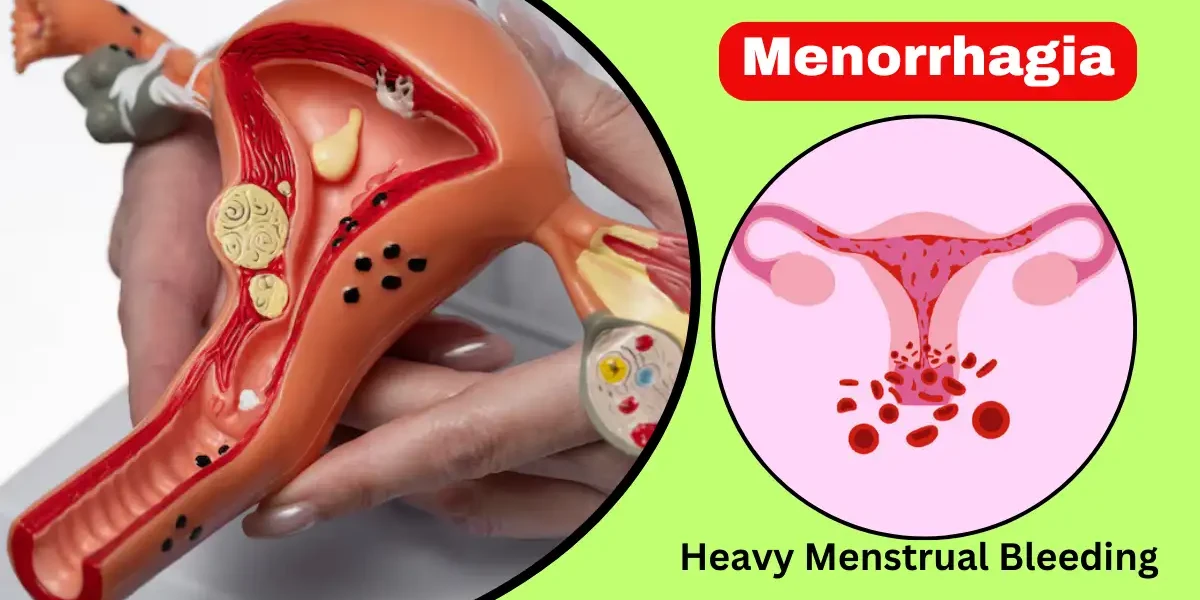
Menorrhagia is a medical term used to describe abnormally heavy or prolonged menstrual bleeding that exceeds the typical menstrual flow. While most women experience menstrual cycles lasting between 3 to 7 days, with an average blood loss of 30–40 milliliters (about 2–3 tablespoons), women with menorrhagia lose 80 milliliters or more per cycle. This excessive bleeding can lead to soaking through sanitary products every hour, passing large blood clots (larger than a quarter), and needing to change protection during the night. Unlike normal periods, menorrhagia often interferes with daily activities, causing fatigue, emotional distress, and even anemia due to significant blood loss.
The condition can occur at any reproductive age but is most common in adolescents (due to immature hormonal regulation) and women approaching menopause (due to hormonal fluctuations). While some women may dismiss heavy bleeding as "just a bad period," persistent menorrhagia can signal underlying health issues, such as uterine fibroids, hormonal imbalances, or bleeding disorders. Recognizing the difference between a heavy period and menorrhagia is crucial for seeking timely medical intervention.
Menorrhagia, or abnormally heavy menstrual bleeding, can be classified into different types based on its underlying causes, patterns, and associated conditions. Understanding these types helps in accurate diagnosis and effective treatment. Below are the main categories of menorrhagia:
1. Primary Menorrhagia
Primary menorrhagia refers to excessive menstrual bleeding without any identifiable underlying medical condition. It is often related to hormonal imbalances, particularly involving estrogen and progesterone, which regulate the endometrial lining's growth and shedding. Adolescents and women approaching menopause are more likely to experience primary menorrhagia due to irregular ovulation. In some cases, genetic factors or an exaggerated inflammatory response in the uterus may contribute to heavier bleeding. Treatment typically involves hormonal therapies, such as oral contraceptives, or non-hormonal options like tranexamic acid.
2. Secondary Menorrhagia
Secondary menorrhagia occurs due to an identifiable underlying medical condition. Common causes include uterine fibroids (non-cancerous growths in the uterus), adenomyosis (where endometrial tissue grows into the uterine muscle), polyps, or pelvic inflammatory disease (PID). Other systemic conditions like thyroid disorders, bleeding disorders (e.g., von Willebrand disease), or liver/kidney diseases can also lead to secondary menorrhagia. Treatment focuses on addressing the root cause, which may involve medications, surgical removal of fibroids or polyps, or hormonal therapies to regulate bleeding.
3. Acute Menorrhagia
Acute menorrhagia describes a sudden, severe episode of heavy menstrual bleeding that may require immediate medical attention. This type can result from miscarriage, ectopic pregnancy, or a ruptured ovarian cyst. It may also occur in women using anticoagulant medications or intrauterine devices (IUDs). Acute menorrhagia can lead to anemia, dizziness, or even hemorrhagic shock if blood loss is extreme. Emergency interventions may include intravenous fluids, hormonal treatments, or surgical procedures like dilation and curettage (D&C) to control bleeding.
4. Chronic Menorrhagia
Chronic menorrhagia involves persistent, heavy menstrual bleeding over multiple cycles, often lasting more than six months. It is commonly associated with conditions like endometriosis, polycystic ovary syndrome (PCOS), or chronic anovulation (lack of ovulation). Women with chronic menorrhagia are at higher risk of iron-deficiency anemia, fatigue, and reduced quality of life. Long-term management may include iron supplements, hormonal therapies (e.g., progesterone-releasing IUDs), or surgical options like endometrial ablation or hysterectomy in severe cases.
5. Dysfunctional Uterine Bleeding (DUB)
Dysfunctional uterine bleeding is a subtype of menorrhagia caused by hormonal irregularities rather than structural abnormalities. It is most common in adolescents (due to immature hypothalamic-pituitary-ovarian axis) and perimenopausal women (due to declining ovarian function). DUB is diagnosed after ruling out other causes and is often managed with hormonal treatments, such as birth control pills or progesterone therapy, to restore regular cycles.
Each type of menorrhagia requires a tailored approach to diagnosis and treatment. Medical evaluation, including blood tests, ultrasounds, or hysteroscopy, is essential to determine the exact cause and appropriate management strategy. Early intervention can prevent complications like severe anemia and improve overall well-being.
Menorrhagia is a medical term used to describe abnormally heavy or prolonged menstrual bleeding. Unlike a typical menstrual period, which lasts about 4–7 days with a blood loss of approximately 30–40 milliliters, menorrhagia involves losing more than 80 milliliters of blood per cycle or bleeding that lasts longer than a week. The condition can significantly impact a woman’s quality of life, leading to fatigue, anemia, and emotional distress. Recognizing the symptoms and signs of menorrhagia is crucial for proper diagnosis and treatment.
The primary symptom of menorrhagia is excessive menstrual bleeding. However, this can manifest in several ways:
Heavy Bleeding Requiring Frequent Pad/Tampon Changes – Women with menorrhagia often need to change their sanitary protection every hour or two for several consecutive hours. They may also require double protection (such as a tampon and a pad) to prevent leakage.
Prolonged Menstrual Periods – Bleeding that lasts more than seven days is a hallmark of menorrhagia. Some women may experience bleeding for up to 10 days or longer.
Passing Large Blood Clots – While small clots are normal during menstruation, women with menorrhagia often pass large clots (bigger than a quarter) frequently.
Anemia-Related Symptoms – Due to excessive blood loss, many women develop iron-deficiency anemia, leading to fatigue, weakness, pale skin, shortness of breath, and dizziness.
Needing to Change Protection Overnight – Waking up during the night to change pads or tampons is another strong indicator of menorrhagia.
Restricted Daily Activities – The heavy flow can interfere with work, exercise, and social activities, forcing women to plan their schedules around their periods.
Pelvic Pain or Pressure – Some women experience cramping (dysmenorrhea) that is more severe than usual menstrual cramps.
Bleeding Through Clothing – Despite using high-absorbency products, some women may still experience embarrassing leaks.
While symptoms are what the patient experiences, signs are what a doctor may observe or measure:
Low Hemoglobin Levels – A blood test may reveal anemia due to chronic blood loss. Hemoglobin levels below 12 g/dL in women are often linked to menorrhagia.
Enlarged Uterus – In cases where fibroids or adenomyosis are the cause, a pelvic exam may detect an enlarged or irregularly shaped uterus.
Presence of Uterine Fibroids or Polyps – Imaging tests such as ultrasounds, hysteroscopy, or MRI can identify structural abnormalities contributing to heavy bleeding.
Signs of Hypothyroidism or Bleeding Disorders – Blood tests may uncover underlying conditions like thyroid dysfunction or von Willebrand disease.
Evidence of Ovulatory Dysfunction – Hormonal imbalances, such as those seen in polycystic ovary syndrome (PCOS) or perimenopause, can lead to irregular, heavy bleeding.
Menorrhagia, or abnormally heavy or prolonged menstrual bleeding, can significantly impact a woman's quality of life, leading to fatigue, anemia, and emotional distress. Understanding the causes and risk factors is essential for proper diagnosis and management.
Menorrhagia can arise from a variety of underlying conditions, broadly categorized into hormonal imbalances, structural abnormalities of the uterus, medical disorders, and medication-related factors.
1. Hormonal Imbalances
The menstrual cycle is regulated by a delicate balance of estrogen and progesterone, which control the buildup and shedding of the uterine lining (endometrium). When this balance is disrupted, excessive endometrial growth can occur, leading to heavy bleeding when it sheds. Conditions such as polycystic ovary syndrome (PCOS), obesity, thyroid dysfunction (hypothyroidism), and perimenopause often cause hormonal fluctuations that result in menorrhagia. For instance, in anovulatory cycles (where ovulation does not occur), progesterone is lacking, leading to irregular, heavy bleeding.
2. Uterine Structural Abnormalities
Physical irregularities in the uterus can also cause menorrhagia. These include:
Uterine fibroids (leiomyomas): These benign tumors develop in the uterine wall and can increase menstrual bleeding by distorting the uterine cavity or interfering with normal contractions that help limit blood loss.
Adenomyosis: This condition occurs when endometrial tissue grows into the uterine muscle, causing thickening of the uterus, pain, and heavy bleeding.
Uterine polyps: Small, benign growths on the uterine lining can lead to increased menstrual flow.
Endometrial hyperplasia: An overgrowth of the endometrium, often due to excess estrogen without progesterone opposition, can result in heavy or prolonged bleeding. In some cases, this may progress to endometrial cancer, which must be ruled out in women with risk factors (e.g., obesity, prolonged estrogen exposure).
3. Bleeding Disorders
Some women have underlying blood clotting disorders that contribute to menorrhagia. Von Willebrand disease, the most common inherited bleeding disorder, reduces the blood's ability to clot properly, leading to excessive menstrual bleeding. Other conditions, such as platelet function disorders or thrombocytopenia (low platelet count), can also cause heavy periods.
4. Pelvic Inflammatory Disease (PID) and Infections
Chronic infections, such as PID (often caused by sexually transmitted infections like chlamydia or gonorrhea), can inflame the uterus and surrounding tissues, leading to irregular or heavy bleeding.
5. Intrauterine Device (IUD) Use
While hormonal IUDs (e.g., Mirena) typically reduce menstrual bleeding, non-hormonal copper IUDs (e.g., Paragard) can cause heavier and more painful periods, especially in the first few months after insertion.
6. Medications
Certain drugs can contribute to menorrhagia, including:
Anticoagulants (blood thinners like warfarin or aspirin) – These interfere with clotting and can worsen menstrual bleeding.
Hormonal medications – Improper use of estrogen or progesterone therapies can disrupt the menstrual cycle.
Chemotherapy drugs – These may affect the endometrium and lead to abnormal bleeding.
7. Liver or Kidney Disease
Chronic liver disease can impair clotting factor production, while severe kidney disease may disrupt hormone regulation, both contributing to heavy menstrual bleeding.
8. Pregnancy-Related Complications
Although menorrhagia refers to non-pregnancy-related bleeding, conditions like miscarriage or ectopic pregnancy can present with heavy bleeding and must be ruled out in women of reproductive age.
Several factors increase a woman’s likelihood of developing menorrhagia:
1. Age:
Adolescents: Young girls who have recently started menstruating often experience anovulatory cycles due to immature hypothalamic-pituitary-ovarian axis regulation, leading to irregular, heavy bleeding.
Perimenopausal Women: As ovarian function declines, hormonal fluctuations cause irregular ovulation, increasing the risk of heavy bleeding.
2. Obesity: Excess body fat raises estrogen levels (since fat cells convert androgens into estrogen), which can lead to endometrial hyperplasia and menorrhagia.
3. Family History: A family history of bleeding disorders (e.g., von Willebrand disease) or conditions like fibroids increases the risk of menorrhagia.
4. Reproductive History:
Nulliparity (never having given birth) – Women who have not been pregnant have a higher risk of fibroids and hormonal imbalances.
Previous Pelvic Surgery – Procedures like cesarean sections or fibroid removal can sometimes lead to scar tissue affecting menstrual flow.
5. Medical Conditions:
Thyroid disorders (hypothyroidism or hyperthyroidism)
Endometriosis (though it typically causes painful periods, it can also contribute to heavy bleeding)
Diabetes or insulin resistance (linked to PCOS and hormonal dysregulation)
6. Lifestyle Factors
Chronic stress – Can disrupt the hypothalamic-pituitary axis, leading to hormonal imbalances.
Extreme exercise or low body weight – Can cause hypothalamic dysfunction, leading to amenorrhea (absent periods) or, paradoxically, irregular heavy bleeding when cycles resume.
Diagnosing menorrhagia (abnormally heavy or prolonged menstrual bleeding) involves a comprehensive evaluation that includes medical history, physical examination, laboratory tests, and imaging studies. The goal is to identify the underlying cause, which may range from hormonal imbalances to structural abnormalities or systemic conditions.
1. Medical History
A detailed medical history is the first step in diagnosing menorrhagia. The healthcare provider will ask about the duration, frequency, and intensity of menstrual bleeding, including the number of pads or tampons used per day. They will also inquire about symptoms such as fatigue (suggesting anemia), pelvic pain, or irregular cycles. Additional factors, such as a family history of bleeding disorders, recent weight changes, or medication use (e.g., anticoagulants or hormonal therapies), are assessed to determine potential causes.
2. Physical Examination
A thorough physical examination helps identify signs of anemia (e.g., pale skin, rapid heartbeat) or underlying conditions like thyroid dysfunction. A pelvic exam is performed to check for abnormalities in the uterus, ovaries, or cervix, such as fibroids, polyps, or infections. If structural issues are suspected, further diagnostic tests may be required.
3. Laboratory Tests
Blood tests are essential to evaluate possible causes of menorrhagia. A complete blood count (CBC) checks for anemia due to blood loss. Thyroid function tests assess for hypothyroidism, which can contribute to heavy bleeding. Coagulation studies (e.g., prothrombin time, von Willebrand factor) help detect bleeding disorders. In some cases, hormone levels (FSH, LH, estrogen, progesterone) may be measured to evaluate ovarian function and rule out conditions like polycystic ovary syndrome (PCOS) or perimenopause.
4. Imaging Studies
Imaging techniques help visualize structural abnormalities in the reproductive system. Transvaginal ultrasound is commonly used to examine the uterus, endometrium, and ovaries for fibroids, polyps, or adenomyosis. If further detail is needed, a saline infusion sonohysterography (SIS) or hysteroscopy may be performed to assess the uterine cavity. In rare cases, an MRI may be recommended for complex conditions like large fibroids or congenital malformations.
5. Endometrial Biopsy
In women over 45 or those with risk factors for endometrial cancer, an endometrial biopsy may be performed. This involves taking a small tissue sample from the uterine lining to check for hyperplasia, malignancy, or hormonal imbalances. The procedure is usually done in-office and helps guide further treatment decisions.
6. Additional Diagnostic Procedures
If initial tests are inconclusive, a hysteroscopy (insertion of a thin camera into the uterus) may be used to directly visualize the uterine cavity and detect abnormalities like polyps or fibroids. In some cases, dilation and curettage (D&C) may be performed for both diagnostic and therapeutic purposes.
Menorrhagia, defined as excessive or prolonged menstrual bleeding, affects many women and can lead to complications such as iron-deficiency anemia, fatigue, and disruptions in daily life. The management of menorrhagia involves a combination of lifestyle modifications, medications, and, in some cases, surgical interventions. The choice of treatment depends on the underlying cause, the severity of symptoms, and whether the patient wishes to preserve fertility. Below, we explore the various pharmacological and procedural options available for managing menorrhagia.
A. Nonsteroidal Anti-Inflammatory Drugs (NSAIDs): NSAIDs, such as ibuprofen, naproxen, and mefenamic acid, are commonly used to reduce heavy menstrual bleeding and alleviate associated dysmenorrhea (painful periods). These medications work by inhibiting prostaglandin synthesis, which plays a key role in menstrual blood loss. Studies show that NSAIDs can reduce menstrual flow by 20-50%, making them a useful first-line option for women who prefer non-hormonal treatments. They are typically taken at the onset of menses and continued for a few days. However, they are not suitable for women with peptic ulcers or kidney disease.
B. Tranexamic Acid: Tranexamic acid is an antifibrinolytic agent that prevents the breakdown of blood clots in the uterus, thereby reducing bleeding. It is taken orally during menstruation and can decrease blood loss by 40-60%. Unlike hormonal treatments, it does not affect ovulation or fertility, making it ideal for women trying to conceive. Side effects may include mild gastrointestinal discomfort or headaches, but serious complications (like thrombosis) are rare when used as prescribed.
A. Combined Oral Contraceptives (COCs): COCs contain estrogen and progestin, which help regulate the menstrual cycle and reduce endometrial buildup, leading to lighter periods. They are particularly beneficial for women who also need contraception. COCs can reduce menstrual bleeding by 30-50% and are available in cyclic or continuous formulations. However, they are contraindicated in women with a history of thrombosis, migraines with aura, or uncontrolled hypertension.
B. Progestin-Only Therapies: For women who cannot take estrogen, progestin-only options are available:
Oral Progestins (Norethisterone, Medroxyprogesterone Acetate) – These are taken during the luteal phase (days 5-26 of the cycle) to stabilize the endometrium and reduce bleeding. High doses may be needed for effectiveness.
Levonorgestrel-Releasing Intrauterine System (LNG-IUS, e.g., Mirena) – This is one of the most effective treatments for menorrhagia, reducing blood loss by 70-90% within six months. It also provides long-term contraception and is suitable for women with fibroids (unless the fibroids distort the uterine cavity). Side effects include irregular spotting in the first few months.
Injectable or Implantable Progestins (Depo-Provera, Nexplanon) – These can lead to amenorrhea (absence of periods) over time but may cause irregular bleeding initially.
A. Gonadotropin-Releasing Hormone (GnRH) Agonists: These medications (e.g., leuprolide) induce a temporary menopausal state, drastically reducing menstrual bleeding. They are typically used short-term (3-6 months) before surgery (e.g., fibroid removal) due to side effects like bone density loss and menopausal symptoms (hot flashes, vaginal dryness).
B. Desmopressin: For women with von Willebrand disease or other bleeding disorders, desmopressin (a synthetic vasopressin analog) can improve clotting and reduce heavy bleeding. It is administered as a nasal spray or IV infusion.
When medications fail or anatomical issues (e.g., fibroids, polyps) are present, surgical options may be considered:
A. Endometrial Ablation: This minimally invasive procedure destroys the uterine lining using techniques such as thermal balloon, radiofrequency, or laser ablation. It reduces bleeding in 70-90% of women, but pregnancy is not recommended afterward due to the risk of complications.
B. Uterine Artery Embolization (UAE): Used primarily for fibroid-related menorrhagia, UAE blocks blood flow to fibroids, causing them to shrink. It preserves the uterus but may affect fertility.
C. Myomectomy: Surgical removal of fibroids while preserving the uterus, ideal for women who wish to conceive.
D. Hysterectomy: The definitive treatment for menorrhagia, involving removal of the uterus. It is considered for severe, refractory cases or when cancer is suspected.
Menorrhagia, or abnormally heavy menstrual bleeding, can vary in duration depending on the underlying cause. Typically, a normal menstrual period lasts between 3 to 7 days, but women with menorrhagia may experience prolonged bleeding that extends beyond a week. In some cases, bleeding can last up to 10 days or more, significantly disrupting daily life. The duration of menorrhagia can be influenced by factors such as hormonal imbalances, uterine fibroids, polyps, or bleeding disorders.
Hormonal Imbalances – Conditions like polycystic ovary syndrome (PCOS), thyroid disorders, or perimenopause can lead to irregular and prolonged bleeding. Estrogen and progesterone imbalances may cause the uterine lining to thicken excessively, resulting in heavier and longer periods.
Uterine Fibroids or Polyps – Non-cancerous growths in the uterus, such as fibroids or polyps, can increase menstrual flow and extend bleeding duration. Fibroids, in particular, can cause periods to last longer than a week, with severe cramping and clotting.
Bleeding Disorders – Conditions like von Willebrand disease or platelet dysfunction can lead to excessive and prolonged menstrual bleeding. Women with these disorders often experience menorrhagia that lasts longer than usual and may require medical intervention.
Medications or Contraceptives – Certain blood thinners, hormonal IUDs, or birth control pills can alter menstrual flow. While some contraceptives may shorten periods, others can initially cause prolonged bleeding until the body adjusts.
Pelvic Inflammatory Disease (PID) or Endometriosis – Infections or conditions like endometriosis can lead to inflammation and abnormal bleeding patterns, sometimes causing periods to last longer than normal.
If menorrhagia persists for more than 7 days, occurs with severe pain, or leads to symptoms of anemia (fatigue, dizziness, shortness of breath), medical evaluation is necessary. Treatments may include hormonal therapy, medications, or surgical options depending on the cause.
Menorrhagia, or abnormally heavy menstrual bleeding, can lead to several complications if left untreated. These complications can significantly impact a woman's physical health, emotional well-being, and overall quality of life. Below are some of the key complications associated with menorrhagia:
1. Iron-Deficiency Anemia
One of the most common complications of menorrhagia is iron-deficiency anemia, which occurs due to excessive blood loss over time. Heavy menstrual bleeding depletes the body's iron stores, reducing the production of hemoglobin—the protein in red blood cells that carries oxygen. Symptoms of anemia include fatigue, weakness, pale skin, shortness of breath, dizziness, and heart palpitations. Severe anemia may require iron supplements, dietary changes, or even blood transfusions in extreme cases.
2. Chronic Fatigue and Reduced Quality of Life
Persistent heavy bleeding can lead to chronic fatigue, making it difficult for women to perform daily activities, work efficiently, or engage in social and physical activities. The constant discomfort, need for frequent sanitary changes, and fear of leakage can also cause emotional distress, anxiety, and a decreased sense of well-being. Over time, this can contribute to depression and a reduced overall quality of life.
3. Increased Risk of Endometrial and Hormonal Disorders
Chronic menorrhagia may indicate underlying hormonal imbalances, such as polycystic ovary syndrome (PCOS), thyroid dysfunction, or estrogen dominance. Additionally, excessive menstrual bleeding can be a symptom of endometrial hyperplasia (thickening of the uterine lining) or even endometrial cancer in some cases. Women with prolonged, untreated menorrhagia should undergo medical evaluation to rule out these serious conditions.
4. Reproductive Health Issues
In some cases, menorrhagia can interfere with fertility, particularly if it is caused by conditions like uterine fibroids, adenomyosis, or endometriosis. These conditions may distort the uterine cavity or disrupt normal hormonal regulation, making conception difficult. Additionally, severe anemia from menorrhagia can affect pregnancy outcomes by increasing the risk of preterm birth or low birth weight.
5. Increased Risk of Surgical Interventions
If medical treatments (such as hormonal therapy or nonsteroidal anti-inflammatory drugs) fail to control menorrhagia, surgical options may be necessary. Procedures like endometrial ablation, uterine artery embolization, or even hysterectomy (removal of the uterus) may be recommended in severe cases. While these surgeries can resolve bleeding, they may also have long-term consequences, such as infertility or early menopause (in the case of hysterectomy).
6. Financial and Social Burden
The need for frequent medical consultations, diagnostic tests, medications, and sanitary products can impose a financial burden on women with menorrhagia. Additionally, the condition may lead to missed workdays, reduced productivity, and social withdrawal due to discomfort or embarrassment, further impacting personal and professional life.
Menorrhagia is more than just a heavy period—it’s a medical condition that requires attention. If you experience excessive bleeding, prolonged periods, or anemia symptoms, consult a doctor. With proper diagnosis and treatment, you can manage symptoms effectively and improve your quality of life.
Menorrhagia (excessive or prolonged menstrual bleeding) is not a classic symptom of Polycystic Ovary Syndrome (PCOS). PCOS typically causes irregular periods, oligomenorrhea (infrequent periods), or amenorrhea (absent periods) due to hormonal imbalances like high androgens and insulin resistance. However, some women with PCOS may experience menorrhagia if they have anovulatory cycles followed by heavy shedding of the uterine lining. If heavy bleeding persists, it’s important to rule out other conditions like fibroids, endometriosis, or thyroid disorders.
Menorrhagia can become life-threatening if it leads to severe anemia (low hemoglobin) due to excessive blood loss. Symptoms of dangerous blood loss include dizziness, extreme fatigue, shortness of breath, and fainting. In rare cases, hemorrhagic shock may occur if bleeding is extremely heavy and untreated. Immediate medical attention is needed if bleeding is uncontrollable or accompanied by signs of severe anemia.
The first-line treatment for menorrhagia depends on the cause but often includes:
Hormonal therapy: Birth control pills, progesterone-only pills, or hormonal IUDs (e.g., Mirena) to regulate bleeding.
Nonsteroidal anti-inflammatory drugs (NSAIDs): Like ibuprofen to reduce blood flow and pain.
Tranexamic acid: An antifibrinolytic medication that helps reduce heavy bleeding.
If hormonal treatments fail, further evaluation (ultrasound, biopsy) may be needed to check for fibroids, polyps, or bleeding disorders.
Menorrhagia is often linked to:
Estrogen dominance (high estrogen relative to progesterone), leading to excessive endometrial thickening.
Low progesterone, which fails to stabilize the uterine lining, causing heavy shedding.
Thyroid imbalances (hypothyroidism) can also disrupt menstrual regularity and increase bleeding.
Iron deficiency (anemia) can worsen menorrhagia, creating a vicious cycle of blood loss.
Vitamin K deficiency (needed for blood clotting) may contribute to heavier bleeding.
Vitamin D deficiency has been linked to menstrual irregularities.
A normal menstrual flow typically requires 3–6 pads or tampons per day, changing every 4–6 hours. Using more than 7 pads per day (soaking a pad in 1–2 hours) suggests menorrhagia and should be evaluated by a doctor.
No, wearing a pad for 12 hours is unsafe due to:
Bacterial growth, increasing the risk of infections like UTIs or vaginal irritation.
Toxic Shock Syndrome (TSS) risk (though rare with pads, prolonged use can still cause irritation).
Odor and discomfort from prolonged moisture.
Pads should be changed every 4–6 hours, or more frequently if heavily soaked.
Healthy period blood varies but generally includes:
Bright to dark red blood (fresh bleeding).
Brown or black blood (old blood at the start/end of a period).
Small clots (smaller than a quarter) are normal, but large clots may indicate heavy flow.
Unhealthy signs: Grayish discharge (infection), extremely foul odor, or excessive clotting.
Boys do not have periods, as they lack a uterus and ovaries. However, some transgender men (assigned female at birth) may experience menstruation if they have not undergone hormonal therapy or surgery. The term "male period" is sometimes used colloquially to describe hormonal mood swings in men, but this is not medically equivalent to menstruation.
Periods typically stop during menopause, which occurs between 45–55 years (average age 51). However:
Perimenopause (transition phase) can start in the 40s, causing irregular periods.
Early menopause (before 40) can happen due to medical conditions or surgeries.
In Islam, husbands are encouraged to be supportive and compassionate during their wife’s menstruation:
Avoid sexual intercourse (Quran 2:222), but non-sexual intimacy (hugging, talking) is allowed.
Help with household chores if she is in pain.
Be patient and understanding of mood swings or fatigue.
Encourage rest and provide comfort (warm drinks, pain relief if needed).
A period (menstruation) is a natural biological process where the uterine lining sheds through the vagina, occurring in women of reproductive age. It’s part of the menstrual cycle (typically 21–35 days), preparing the body for potential pregnancy. Key aspects:
Duration: Usually 3–7 days.
Hormonal control: Regulated by estrogen and progesterone.
Function: Removes the unfertilized egg and uterine lining monthly.
You Might Also Like