















Weight Management
How to Permanently Remove Belly Fat Through Ex...

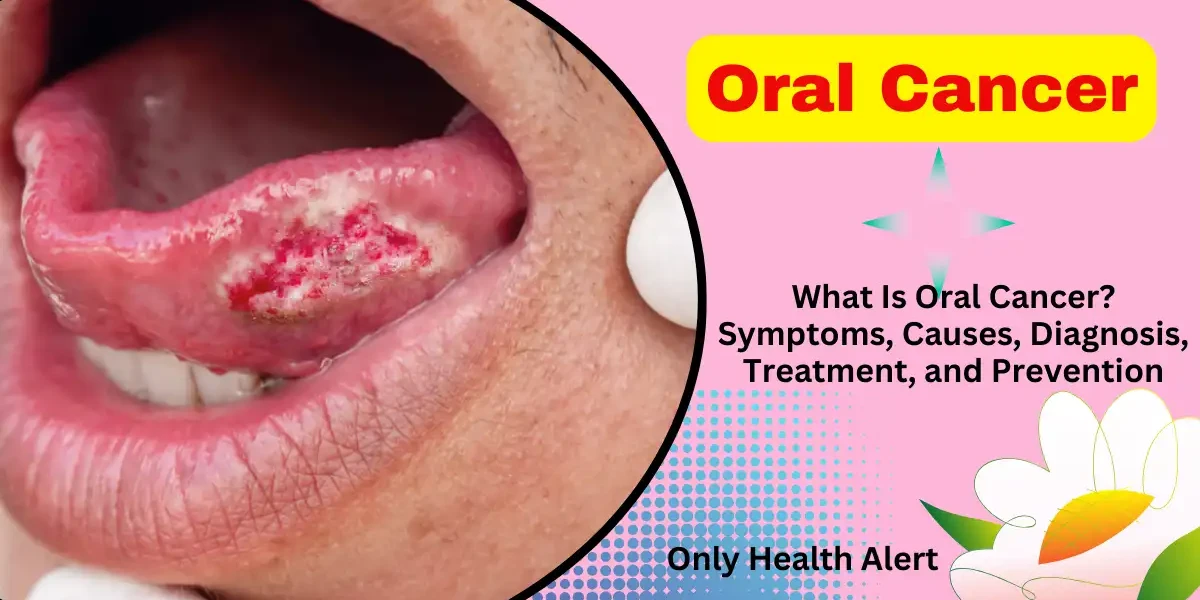
Oral cancer is a severe and often deadly illness impacting countless individuals across the globe. It can develop in any part of the mouth, including the lips, tongue, cheeks, gums, and throat. Early detection is crucial for successful treatment, yet many people overlook the initial signs.
In this comprehensive guide, we’ll explore what oral cancer is, its types, symptoms, causes, stages, diagnosis, treatment options, and prevention strategies. Whether you're looking for information for yourself or a loved one, this article will provide clear, expert-backed insights.
Oral cancer, also known as mouth cancer, refers to the abnormal growth of cells in the oral cavity or oropharynx (the part of the throat at the back of the mouth). These cancerous cells can invade surrounding tissues and spread to other parts of the body if left untreated.
According to the World Health Organization (WHO), oral cancer accounts for nearly 3% of all cancer cases globally, with higher prevalence in regions where tobacco and alcohol use are common. The five-year survival rate for early-stage oral cancer is around 84%, but this drops significantly if the cancer has spread.
Oral cancer is not a single disease but rather a group of cancers that can develop in different parts of the mouth and throat. Each type varies in aggressiveness, treatment response, and prognosis. Below, we explore the major types of oral cancer in detail.
Squamous cell carcinoma (SCC) is the most common type of oral cancer, accounting for over 90% of all cases. It originates in the thin, flat squamous cells that line the mouth, tongue, lips, and throat. This cancer is highly aggressive and can spread quickly to lymph nodes and other organs if not treated early.
Key Characteristics:
Often appears as red or white patches (leukoplakia or erythroplakia) in the mouth.
May cause non-healing ulcers, persistent soreness, or difficulty swallowing.
Strongly linked to tobacco use, alcohol consumption, and HPV infection (especially HPV-16).
Prognosis:
If caught early (Stage I or II), the 5-year survival rate is around 75-85%.
Advanced cases (Stage III or IV) have a lower survival rate (40-60%) due to metastasis.
Verrucous carcinoma is a rare, slow-growing subtype of squamous cell carcinoma. Unlike typical SCC, it tends to be less aggressive and rarely spreads to other body parts. However, it can grow large and invade nearby tissues if left untreated.
Key Characteristics:
Presents as a wart-like or cauliflower-shaped growth in the mouth.
Most commonly affects the gums, cheeks, and vocal cords.
Strongly associated with long-term tobacco chewing or snuff use.
Prognosis:
Generally has a better outlook than standard SCC.
Surgery is often effective, with a high cure rate if completely removed.
The mouth contains hundreds of minor salivary glands, which can develop cancerous tumors. These cancers are less common (about 5% of oral cancers) but can be aggressive.
Subtypes include:
Adenoid cystic carcinoma – Slow-growing but tends to spread along nerves.
Mucoepidermoid carcinoma – Varies from low-grade (less aggressive) to high-grade (more dangerous).
Adenocarcinoma – A general term for cancers starting in glandular tissues.
Key Characteristics:
Often appears as a painless lump in the mouth or throat.
May cause numbness, facial weakness, or difficulty speaking if nerves are affected.
Prognosis:
Depends on the subtype and stage; low-grade tumors have a better outlook.
Treatment usually involves surgery + radiation.
Lymphomas are cancers of the lymphatic system but can develop in oral tissues, particularly the tonsils and base of the tongue.
Key Characteristics:
Often presents as swollen tonsils, a lump in the neck, or persistent throat pain.
Linked to immune system disorders (e.g., HIV) and Epstein-Barr virus (EBV).
Prognosis:
Hodgkin’s lymphoma has a high cure rate with chemotherapy.
Non-Hodgkin’s lymphoma varies in aggressiveness but is often treatable.
Oral melanoma is a rare but highly aggressive cancer that develops from melanocytes (pigment-producing cells). It accounts for less than 1% of oral cancers but has a poor prognosis due to rapid spread.
Key Characteristics:
Appears as a dark, irregularly shaped patch on the gums, palate, or lips.
May be mistaken for a harmless mole at first.
Prognosis:
Low survival rates if not caught early (often spreads to lungs, liver, or brain).
Treatment involves surgery, immunotherapy, or targeted therapy.
Oral cancer can develop without obvious pain in its early stages, making it easy to overlook. However, recognizing the symptoms and signs early can significantly improve treatment success. Here’s a detailed breakdown of what to watch for:
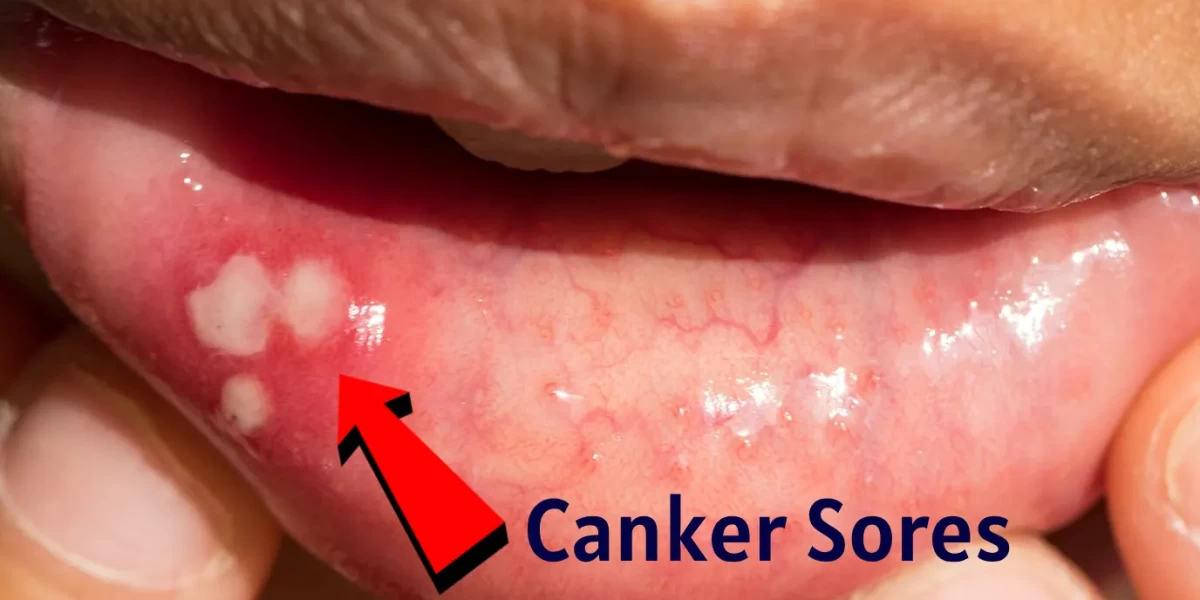
1. Persistent Mouth Sores That Don’t Heal: One of the most common early signs of oral cancer is a sore or ulcer in the mouth that doesn’t heal within two to three weeks. Unlike a typical canker sore, which usually resolves on its own, an oral cancer lesion may linger, grow larger, or bleed easily. These sores can appear on the tongue, gums, inner cheeks, or lips. If you notice a mouth sore that doesn’t improve with time, it’s important to get it checked by a doctor or dentist.
2. Red or White Patches (Leukoplakia or Erythroplakia): Unusual patches inside the mouth—either white (leukoplakia) or red (erythroplakia)—can be early indicators of abnormal cell growth. Leukoplakia is often linked to tobacco use and may become cancerous if untreated. Erythroplakia, though less common, carries a higher risk of malignancy. These patches may feel rough or velvety and can appear on the gums, tongue, or the floor of the mouth. A biopsy is usually needed to determine if they are precancerous or malignant.
3. Unexplained Bleeding or Numbness: If you experience unexplained bleeding in the mouth (not caused by an injury) or sudden numbness in the lips, tongue, or cheeks, it could signal nerve involvement from a growing tumor. Some patients report a tingling sensation or loss of feeling in certain areas of the mouth, which may indicate cancer affecting nearby nerves.
4. Difficulty Swallowing or Chronic Sore Throat: Tumors in the throat or back of the tongue can make swallowing painful or difficult (dysphagia). Some people describe feeling like something is stuck in their throat. A persistent sore throat that doesn’t improve with antibiotics or other treatments should raise concern, especially if accompanied by hoarseness.
5. Lumps or Thickening in the Mouth, Jaw, or Neck: A hard lump or thickening in the cheek, jawline, or neck could indicate swollen lymph nodes or a tumor. These lumps are often painless at first but may become tender as the cancer progresses. If you notice any unusual swelling that lasts more than a few weeks, seek medical evaluation.
6. Chronic Hoarseness or Voice Changes: If your voice becomes consistently hoarse or changes in tone without a cold or infection, it may be due to a tumor affecting the vocal cords or surrounding tissues. This symptom is particularly concerning if it persists beyond two weeks.
7. Ear Pain Without Infection: Surprisingly, oral cancer can sometimes cause referred pain in the ear, even if there’s no actual ear infection. This happens because nerves in the mouth and ears are interconnected. If you have unexplained ear pain along with other oral symptoms, it’s worth investigating further.
8. Loose Teeth or Poor-Fitting Dentures: Oral cancer can weaken the jawbone or gums, leading to loose teeth without obvious dental causes. Denture wearers might suddenly find that their prosthetics no longer fit properly due to changes in the mouth’s shape from a growing tumor.
Many of these symptoms can also be caused by less serious conditions, such as infections or irritation. However, if any of these signs last longer than two weeks, it’s crucial to see a healthcare provider. Early detection is key—more than 80% of oral cancer cases are treatable when caught early.
If you’re at high risk (due to smoking, heavy alcohol use, or HPV), regular dental check-ups and oral cancer screenings can help catch abnormalities before they become life-threatening. Don’t ignore persistent changes in your mouth—your vigilance could save your life.
Oral cancer develops when mutations in the DNA of mouth cells cause them to grow uncontrollably. While the exact cause of oral cancer isn’t always clear, several well-established risk factors significantly increase the likelihood of developing the disease. Understanding these factors can help in prevention and early detection.
1. Tobacco Use (The Leading Cause): Tobacco in any form—cigarettes, cigars, pipes, chewing tobacco, or snuff—is the single biggest risk factor for oral cancer. The harmful chemicals in tobacco, such as nitrosamines and polycyclic aromatic hydrocarbons, damage the DNA in mouth cells, leading to cancerous changes. Smokers are six times more likely to develop oral cancer than non-smokers, and those who use smokeless tobacco (like chewing tobacco or snus) have a 50 times higher risk of cancers in the cheeks, gums, and lips. Even secondhand smoke exposure can contribute to the risk.
2. Heavy Alcohol Consumption: Excessive alcohol use is another major contributor, especially when combined with smoking. The body processes alcohol into acetaldehyde, a poisonous substance that causes genetic damage and disrupts normal cell regeneration. People who consume more than 3-4 drinks per day have a two to three times higher risk of oral cancer than non-drinkers. The risk skyrockets for those who both smoke and drink heavily, as alcohol makes it easier for tobacco carcinogens to penetrate mouth tissues.
3. Human Papillomavirus (HPV) Infection: Certain strains of HPV, particularly HPV-16, are strongly linked to oropharyngeal cancers (tonsils, base of the tongue). HPV-related oral cancers are increasing, especially in younger, non-smoking individuals. Unlike tobacco-related cancers, HPV-positive oral cancers often develop at the back of the throat and tend to respond better to treatment. The HPV vaccine (Gardasil, Cervarix) can significantly reduce this risk.
4. Prolonged Sun Exposure (Lip Cancer Risk): People who spend long hours in the sun without protection have a higher risk of lip cancer, particularly on the lower lip. Ultraviolet (UV) radiation damages the skin cells, leading to mutations over time. Outdoor workers, farmers, and sailors are at higher risk. Using SPF lip balm and wearing wide-brimmed hats can help prevent this.
5. Poor Diet and Nutritional Deficiencies: A diet low in fruits and vegetables may increase oral cancer risk because these foods contain antioxidants and vitamins (A, C, E) that protect cells from damage. Deficiencies in iron, zinc, and folate have also been linked to higher cancer susceptibility.
6. Age, Gender, and Genetics:
Age: Most oral cancer cases occur in people over 40, with risk increasing with age.
Gender: Men are twice as likely as women to develop oral cancer, possibly due to higher rates of smoking and alcohol use.
Family History: Some genetic syndromes (like Fanconi anemia) increase susceptibility.
7. Weakened Immune System: People with HIV/AIDS, organ transplant recipients (on immunosuppressants), or those with autoimmune diseases have a higher risk because their immune systems are less effective at fighting cancer cells.
8. Chronic Irritation (Poor-Fitting Dentures, Sharp Teeth): Long-term irritation from rough teeth, ill-fitting dentures, or broken fillings can cause chronic inflammation, increasing cancer risk over time.
Understanding the stages of oral cancer is crucial for determining treatment options and predicting outcomes. Doctors use a system called TNM staging (Tumor, Nodes, Metastasis) to classify how far the cancer has progressed. Here’s a deeper look at each stage:
Stage 0 (Carcinoma in Situ): This is the earliest possible stage, also called "pre-cancer." Abnormal cells are present in the lining of the mouth but have not yet invaded deeper tissues. At this point, the cancer is highly treatable, often requiring only surgical removal of the affected tissue. If detected early, the survival rate is extremely high, but without treatment, these cells can develop into invasive cancer.
Stage I: In Stage I, the tumor is small (2 cm or less) and has not spread to lymph nodes or distant sites. Because the cancer is localized, treatment usually involves surgery to remove the tumor, sometimes followed by radiation therapy. The five-year survival rate at this stage is around 80-90%, making early detection critical.
Stage II: The tumor is now between 2-4 cm but still hasn’t reached lymph nodes or other parts of the body. Treatment may involve surgery, radiation, or a combination of both. While the prognosis remains good, doctors may recommend more aggressive therapy if the tumor is in a high-risk area (like the base of the tongue).
Stage III: This stage has two possible scenarios:
The tumor is larger than 4 cm but hasn’t spread to lymph nodes.
The tumor is any size but has spread to one nearby lymph node (on the same side of the neck).
Treatment typically includes surgery followed by radiation and/or chemotherapy. If the cancer has reached lymph nodes, the risk of recurrence increases, and doctors may recommend additional therapies like immunotherapy.
Stage IV (Most Advanced Stage): Stage IV is divided into three subcategories:
IVA: The tumor has invaded nearby structures (like jawbones or sinuses) and may have spread to multiple lymph nodes.
IVB: The cancer has grown into critical areas (like the skull base or carotid artery) or involves large lymph nodes.
IVC: The cancer has metastasized to distant organs (lungs, liver, or bones).
Treatment at this stage is complex, often involving surgery, radiation, chemotherapy, and targeted therapies. Unfortunately, the five-year survival rate drops significantly (to around 40% or lower), emphasizing the importance of early detection.
The stage of oral cancer directly impacts:
Treatment choices (surgery vs. radiation vs. combination therapy)
Survival rates (early-stage cancers have much better outcomes)
Risk of recurrence (higher stages are more likely to come back)
If you or a loved one has been diagnosed, ask your doctor for a clear explanation of the stage and what it means for treatment. Early action can make all the difference.
Diagnosing oral cancer involves a series of examinations and tests to confirm the presence of cancerous cells, determine the stage of the disease, and plan the most effective treatment. Quick and accurate medical assessment is crucial for better survival prospects. Below, we explore the key diagnostic methods in detail.
1. Physical Examination: The first step in diagnosing oral cancer is a thorough physical examination conducted by a dentist or doctor. During this exam, the healthcare provider will:
Inspect the mouth, lips, gums, tongue, and throat for unusual sores, red or white patches, or lumps.
Palpate (feel) the neck and jaw to check for swollen lymph nodes, which may indicate cancer spread.
Assess symptoms such as persistent pain, difficulty swallowing, or voice changes.
If suspicious lesions are found, further testing is recommended.
2. Biopsy (Tissue Sample Analysis): A biopsy is the most definitive way to confirm oral cancer. There are several types of biopsies used:
Incisional Biopsy – A small piece of the suspicious tissue is removed for lab analysis. This is the most common method.
Excisional Biopsy – The entire abnormal area (if small) is removed and examined.
Fine Needle Aspiration (FNA) Biopsy – Used if swollen lymph nodes are present; a thin needle extracts cells for testing.
Brush Biopsy – A painless procedure where a brush collects cells from a suspicious area for early detection.
The extracted tissue is examined under a microscope to detect cancerous cells.
3. Imaging Tests: If cancer is confirmed, imaging tests help determine its size, location, and spread:
X-rays – Check for bone involvement, especially in the jaw.
Computed Tomography (CT) Scan – Provides detailed cross-sectional images to see tumor size and lymph node involvement.
Magnetic Resonance Imaging (MRI) – Offers high-resolution images of soft tissues, useful for detecting cancer in the tongue or throat.
Positron Emission Tomography (PET) Scan – Helps identify metastatic cancer by tracking radioactive glucose uptake in cancer cells.
Ultrasound – Sometimes used to examine lymph nodes in the neck.
These tests help doctors stage the cancer and decide on the best treatment approach.
4. Endoscopy (Throat Examination): An endoscopy may be performed if cancer is suspected in the throat (oropharynx). A thin, flexible tube with a light and camera (endoscope) is inserted through the nose or mouth to examine:
The back of the tongue
The tonsils
The voice box (larynx) and windpipe (trachea)
This procedure helps detect tumors that aren’t visible during a standard oral exam.
5. HPV Testing: Since HPV (particularly HPV-16) is linked to oropharyngeal cancers, doctors may test tumor tissue for the virus. HPV-positive cancers often respond better to treatment and have a different prognosis than HPV-negative cancers.
The sooner oral cancer is detected, the higher the survival rate. Advanced imaging and biopsy techniques allow for precise diagnosis, leading to more effective treatment plans. If you have persistent mouth sores, unexplained pain, or other concerning symptoms, seek medical evaluation immediately.
When it comes to oral cancer treatment, the approach depends on several factors, including the stage of cancer, location, overall health of the patient, and potential side effects. Treatment often involves a combination of therapies to ensure the best possible outcome. Below, we explore the most common oral cancer treatments and medications in detail.
Surgery is often the first-line treatment for early-stage oral cancer. The goal is to remove the tumor and a margin of healthy tissue to ensure no cancer cells remain. Depending on the tumor’s size and location, different surgical techniques may be used:
Primary Tumor Resection – The surgeon removes the cancerous growth along with some surrounding healthy tissue. For small tumors, this may be minimally invasive.
Glossectomy (Partial or Total Tongue Removal) – If cancer affects the tongue, part or all of it may need to be removed. Reconstructive surgery can help restore function.
Mandibulectomy (Jawbone Removal) – If cancer invades the jawbone, a segment may be removed and reconstructed with bone grafts or metal plates.
Neck Dissection (Lymph Node Removal) – If cancer has spread to lymph nodes, surgeons may remove them to prevent further metastasis.
Recovery after surgery may involve speech therapy, physical therapy, or dental rehabilitation to help patients adjust to changes in chewing, swallowing, or speaking.
Radiation therapy uses high-energy X-rays or proton beams to kill cancer cells or stop them from growing. It can be used:
As a primary treatment for small tumors (especially in patients who can’t undergo surgery).
After surgery to destroy any remaining cancer cells.
For advanced cancers to relieve pain or control symptoms (palliative care).
Types of Radiation Therapy for Oral Cancer:
External Beam Radiation (EBRT) – The most common type, where radiation is directed at the tumor from outside the body.
Intensity-Modulated Radiation Therapy (IMRT) – A precise form of EBRT that minimizes damage to healthy tissues.
Brachytherapy (Internal Radiation) – Radioactive seeds or wires are placed directly into or near the tumor for targeted treatment.
Side effects may include dry mouth, mouth sores, difficulty swallowing, fatigue, and skin irritation.
Chemotherapy uses powerful drugs to kill cancer cells or stop them from dividing. It is often combined with radiation therapy (chemoradiation) for better effectiveness, especially in advanced cases.
Common Chemotherapy Drugs for Oral Cancer:
Cisplatin – Frequently used in combination with radiation.
5-Fluorouracil (5-FU) – Often paired with cisplatin.
Carboplatin – An alternative for patients who can’t tolerate cisplatin.
Paclitaxel (Taxol) & Docetaxel (Taxotere) – Used in certain advanced or recurrent cases.
Side effects include nausea, hair loss, fatigue, increased infection risk, and mouth ulcers.
Unlike chemotherapy, which affects all rapidly dividing cells, targeted therapy focuses on specific molecules involved in cancer growth.
Cetuximab (Erbitux) – A monoclonal antibody that blocks the EGFR protein, which helps cancer cells grow. It’s often used with radiation for advanced head and neck cancers.
Other EGFR inhibitors (like Panitumumab) may also be options in certain cases.
Side effects can include skin rashes, diarrhea, and allergic reactions.
Immunotherapy helps the immune system recognize and attack cancer cells. It’s mainly used for recurrent or metastatic oral cancer.
Pembrolizumab (Keytruda) & Nivolumab (Opdivo) – These PD-1 inhibitors help immune cells target cancer.
Clinical trials are testing newer immunotherapies for oral cancer.
Side effects may include fatigue, skin reactions, and autoimmune responses (where the immune system attacks healthy tissues).
For patients with late-stage oral cancer, treatment focuses on relieving symptoms and improving quality of life. This may include:
Pain management (morphine or other medications).
Nutritional support (feeding tubes if swallowing is difficult).
Emotional and psychological counseling.
Preventing oral cancer starts with understanding and minimizing risk factors. While some factors, like genetics, can’t be changed, many lifestyle choices significantly influence your risk. Here’s how you can reduce your chances of developing oral cancer:
Avoid Tobacco in All Forms
Smoking cigarettes, cigars, pipes, or using smokeless tobacco (chewing tobacco, snuff) is the leading cause of oral cancer. Tobacco contains carcinogens that damage cells in the mouth, leading to cancerous changes. Quitting tobacco at any age lowers your risk, and after 10 years of cessation, your risk becomes nearly the same as a non-smoker.
Limit Alcohol Consumption
Heavy drinking (more than 3-4 drinks per day) increases oral cancer risk, especially when combined with tobacco. Alcohol breaks down into acetaldehyde, a toxic chemical that damages DNA in mouth cells. Reducing alcohol intake or quitting altogether can significantly lower risk.
Get Vaccinated Against HPV
The human papillomavirus (HPV-16 and HPV-18), transmitted through sexual contact, is linked to oropharyngeal cancers (tonsils, base of the tongue). The HPV vaccine (Gardasil, Cervarix) can prevent infection and is recommended for both males and females (ideally before becoming sexually active).
Protect Your Lips from Sun Exposure
Prolonged sun exposure increases the risk of lip cancer. Use SPF 30+ lip balm, wear wide-brimmed hats, and avoid tanning beds to reduce UV damage.
Maintain a Healthy Diet
A diet rich in fruits, vegetables, and antioxidants (like vitamins A, C, and E) helps protect cells from damage. Foods like berries, leafy greens, carrots, and nuts may lower cancer risk. Avoid excessive processed or charred meats, which contain carcinogens.
Practice Good Oral Hygiene
Chronic gum disease and poor oral health may contribute to cancer risk. Brush and floss daily, and visit your dentist every six months for check-ups. Dentists can spot early signs of oral cancer (white/red patches, sores) before symptoms worsen.
Be Aware of Early Symptoms
If you notice persistent mouth sores, unexplained bleeding, or lumps, see a doctor immediately. Early detection improves survival rates dramatically.
If oral cancer is not treated early, it can lead to severe and sometimes life-threatening complications. These complications may arise from the cancer itself or as side effects of treatment:
Difficulty Eating and Swallowing (Dysphagia)
Tumors in the mouth or throat can make chewing and swallowing painful or impossible. Advanced cases may require a feeding tube to ensure proper nutrition.
Speech Problems
Cancer affecting the tongue, lips, or vocal cords can impair speech. Surgery or radiation may further alter voice quality, requiring speech therapy for rehabilitation.
Severe Pain and Infections
As cancer spreads, it can cause chronic pain, nerve damage, and infections in the mouth or jaw. Some patients develop osteonecrosis (jawbone death), especially after radiation therapy.
Facial and Jaw Deformities
Surgical removal of large tumors may lead to disfigurement, requiring reconstructive surgery (skin grafts, dental implants, or prosthetic devices).
Spread to Other Organs (Metastasis)
If untreated, oral cancer can spread to the lymph nodes, lungs, liver, or bones, making treatment much harder and reducing survival rates.
Emotional and Psychological Impact
The physical changes from cancer and treatment can lead to depression, anxiety, and social withdrawal. Support groups and counseling can help patients cope.
Secondary Cancers
Survivors of oral cancer have a higher risk of developing another cancer (such as throat, lung, or esophageal cancer), emphasizing the need for lifelong monitoring.
1. What were your first symptoms of oral cancer?
Early symptoms of oral cancer can vary, but common first signs include persistent mouth sores that don’t heal, a lump or thickening in the cheek, difficulty chewing or swallowing, red or white patches inside the mouth, and unexplained bleeding. Some people also notice numbness, a persistent sore throat, or a change in voice. If any of these symptoms last more than two weeks, it’s important to see a healthcare provider.
2. Can you recover from oral cancer?
Yes, recovery from oral cancer is possible, especially when it’s caught early. Treatment usually involves surgery, radiation, and/or chemotherapy, depending on the stage and location of the cancer. Many patients go on to live healthy lives after treatment, but regular follow-ups are necessary to monitor for any recurrence.
3. Is mouth cancer curable at stage 4?
Stage 4 mouth cancer is considered advanced and more difficult to treat. However, it is not always a death sentence. Some patients respond well to aggressive treatment, which may include a combination of surgery, radiation, and chemotherapy. The chances of a cure depend on various factors, including the exact location, how far the cancer has spread, and the patient’s overall health.
4. What is the survival rate for oral cancer?
Survival rates vary depending on the stage at diagnosis. According to the American Cancer Society, the 5-year survival rate for all stages combined is around 66%. For localized oral cancers (caught early), the rate can be as high as 85%. However, if the cancer has spread to distant parts of the body, the 5-year survival rate drops significantly.
5. Can mouth cancer be fully cured?
Yes, mouth cancer can be fully cured if detected early and treated promptly. Early-stage cancers have a higher chance of complete remission. Long-term follow-up care is essential to ensure the cancer does not return.
6. Is mouth cancer painful?
Mouth cancer can be painful, especially as it progresses. Pain may occur in the tongue, jaw, or throat. Some patients also experience difficulty swallowing, ear pain, or a burning sensation in the mouth. Early stages, however, may be painless and easy to overlook, which is why regular dental and medical checkups are important.
7. Does mouth cancer cause death?
Yes, if left untreated or diagnosed at a late stage, mouth cancer can be fatal. However, early detection and proper treatment greatly improve the chances of survival and recovery.
8. What is Stage 1 mouth cancer?
Stage 1 mouth cancer refers to a tumor that is 2 centimeters or smaller and has not spread to lymph nodes or other parts of the body. This is considered an early stage, and the chances of successful treatment and cure are high.
9. How to check mouth cancer at home?
While a definitive diagnosis must be made by a professional, you can do a self-check by examining your mouth with a mirror and good lighting. Look for unusual sores, red or white patches, lumps, or areas that feel thickened. Use your fingers to gently feel inside your cheeks, under the tongue, and along your gums. If you notice anything suspicious that lasts more than two weeks, see a doctor or dentist.
10. What is the 3 finger test for mouth cancer?
The “3 finger test” isn’t a medically validated screening method, but some awareness campaigns use it to highlight restricted mouth opening—a potential sign of oral cancer or pre-cancer. If you can’t insert three fingers vertically between your top and bottom teeth, it might be a sign of restricted jaw movement and warrants further medical evaluation.
11. Can blood tests detect cancer?
Blood tests alone usually can't detect mouth cancer, but they can be part of the overall diagnostic process. Some tests look for cancer markers or assess general health before treatment. Biopsies and imaging studies (like MRI or CT scans) are more definitive for diagnosing oral cancer.
12. Can a dentist see mouth cancer?
Yes, dentists are often the first to spot signs of oral cancer during routine checkups. They are trained to recognize suspicious lesions or abnormalities and may refer you to a specialist for further evaluation or a biopsy if they see something concerning.
Oral cancer is a serious but often preventable disease. Knowing the symptoms, risk factors, and treatment options can lead to early detection and better outcomes. If you notice persistent mouth changes, don’t ignore them—see a healthcare provider promptly.
By making healthy lifestyle choices and staying informed, you can significantly reduce your risk and protect your long-term health.