















Constipation
The Top 7 Ozempic Pancreatitis Symptoms You Ne...

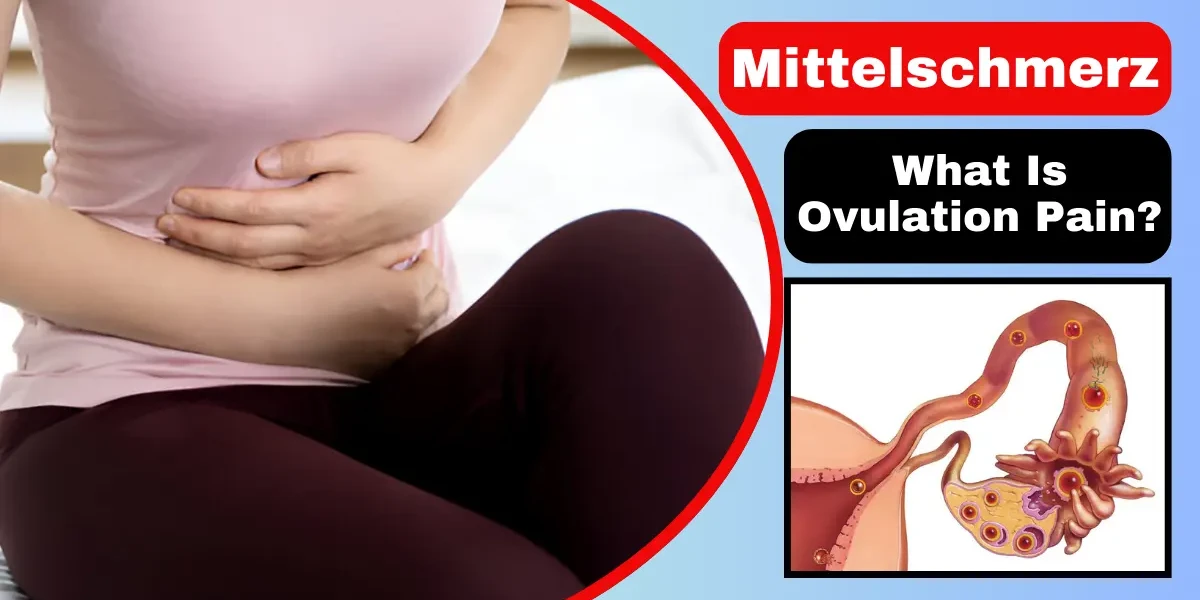
Ovulation pain, also known as Mittelschmerz (a German term meaning "middle pain"), refers to mild to moderate discomfort experienced by some women during ovulation—the release of a mature egg from the ovary. This pain typically occurs midway through the menstrual cycle, around day 14 in a 28-day cycle, though the exact timing varies depending on cycle length. Mittelschmerz is usually harmless and lasts from a few hours to a couple of days.
Ovulation pain, also known as Mittelschmerz (a German term meaning "middle pain"), is a common experience for many women during their menstrual cycle. It occurs around the time of ovulation, typically midway through the cycle, and can vary in intensity and duration. Below are the detailed symptoms and signs associated with Mittelschmerz:
1. Location of Pain: The pain is usually felt on one side of the lower abdomen, depending on which ovary releases the egg. Some women may experience discomfort that shifts sides from month to month, while others may consistently feel it on the same side. The pain can range from a mild twinge to a sharp, cramp-like sensation.
2. Timing of the Pain: Ovulation pain typically occurs about 14 days before the next menstrual period in a regular 28-day cycle. However, the exact timing can vary depending on cycle length. The discomfort may last anywhere from a few minutes to 48 hours, though most women experience it for a few hours.
3. Nature of the Pain: The sensation can vary from:
Dull aching (similar to menstrual cramps)
Sharp or stabbing pain (especially during sudden movements)
Pressure or heaviness in the pelvic region
Some women also report a tingling sensation or mild throbbing in the lower abdomen.
4. Additional Symptoms: Alongside pain, some women experience:
Light spotting or discharge (due to hormonal changes during ovulation)
Increased cervical mucus (clear, stretchy, egg-white-like consistency)
Breast tenderness (linked to hormonal fluctuations)
Bloating or mild nausea (in some cases)
5. Triggers and Aggravating Factors: Certain activities may worsen ovulation pain, such as:
Sudden movements (e.g., standing up quickly, exercise)
Sexual intercourse (due to increased pelvic pressure)
Stress or fatigue (which can heighten sensitivity to pain)
6. When to Seek Medical Attention: While Mittelschmerz is usually harmless, severe or persistent pain could indicate other conditions, such as:
Ovarian cysts
Endometriosis
Pelvic inflammatory disease (PID)
Ectopic pregnancy (if sexually active and pregnancy is possible)
If the pain is accompanied by fever, heavy bleeding, dizziness, or vomiting, medical evaluation is necessary.
Ovulation pain occurs around day 14 of a 28-day cycle, but this varies depending on cycle length. Women with irregular periods may notice it at different times. Tracking your cycle with an app or calendar can help identify patterns.
Ovulation pain, medically known as Mittelschmerz (from the German words for "middle" and "pain"), refers to the discomfort or sharp twinge some women experience during ovulation—the release of a mature egg from the ovary. This typically occurs around day 14 of a 28-day menstrual cycle, though the exact timing varies depending on cycle length. The pain is usually mild and short-lived but can occasionally be severe enough to require medical evaluation. Understanding the causes and risk factors of Mittelschmerz helps in distinguishing it from other pelvic conditions and managing symptoms effectively.
The exact mechanism behind ovulation pain is not entirely understood, but several physiological processes are believed to contribute:
Follicle Expansion and Rupture – Before ovulation, a dominant follicle in the ovary grows and stretches the ovarian surface, which can cause localized discomfort. When the follicle ruptures to release the egg, this sudden release may trigger a brief, sharp pain.
Irritation of the Peritoneum – The follicular fluid or a small amount of blood released during ovulation can irritate the peritoneum (the lining of the abdominal cavity), leading to pain. This is similar to how internal bleeding or fluid leakage (such as in appendicitis or ectopic pregnancy) can cause peritoneal irritation, though ovulation-related irritation is much milder.
Ovarian Contractions – The ovary and surrounding muscles may contract during ovulation, much like uterine contractions during menstruation, contributing to cramp-like sensations.
Fallopian Tube Movement – The fallopian tubes contract rhythmically to help guide the egg toward the uterus. These muscular movements may sometimes be perceived as discomfort.
Hormonal Influence – The surge in luteinizing hormone (LH) just before ovulation may play a role in sensitizing nerve endings around the ovary, making some women more aware of the process.
While any woman of reproductive age can experience ovulation pain, certain factors increase the likelihood or severity of Mittelschmerz:
Age and Reproductive Stage – Younger women, particularly those in their late teens to early 30s, are more likely to notice ovulation pain. As women approach menopause and ovulation becomes irregular, the pain often diminishes.
History of Mittelschmerz – Women who have experienced ovulation pain before are more likely to feel it in subsequent cycles. Some women report it almost every month, while others only occasionally.
Pelvic Inflammatory Disease (PID) or Endometriosis – Underlying conditions like PID (infection of the reproductive organs) or endometriosis (where uterine tissue grows outside the uterus) can heighten sensitivity in the pelvic region, making ovulation pain more noticeable or severe.
Ovarian Cysts – Functional cysts, such as follicular cysts (when the follicle doesn’t rupture) or corpus luteum cysts (when the follicle reseals after releasing the egg), can cause additional pressure and pain during ovulation.
Scar Tissue or Adhesions – Previous pelvic surgery, infections, or conditions like endometriosis can lead to scar tissue that traps the ovary or fallopian tubes, increasing discomfort during ovulation.
Sensitive Nervous System – Some women naturally have a heightened perception of pelvic pain due to differences in nerve sensitivity or conditions like vulvodynia or interstitial cystitis, which amplify discomfort.
Hormonal Medications – Fertility treatments (e.g., clomiphene citrate or gonadotropins) that stimulate ovulation can lead to more pronounced Mittelschmerz due to multiple follicles developing and rupturing. Conversely, hormonal contraceptives that suppress ovulation usually eliminate the pain.
Dehydration or Physical Activity – Some women report that being dehydrated or engaging in strenuous exercise around ovulation worsens the pain, possibly due to increased muscle tension or reduced fluid cushioning in the abdomen.
While Mittelschmerz is usually harmless, severe or persistent pain should be evaluated to rule out other conditions, such as:
Ectopic pregnancy (if sexually active)
Ovarian torsion (twisting of the ovary)
Appendicitis
Ovarian cysts or tumors
Pelvic inflammatory disease (PID)
If the pain is accompanied by fever, vomiting, heavy bleeding, dizziness, or lasts more than 2-3 days, medical assessment is necessary.
1. Medical History and Symptom Assessment: The diagnosis of Mittelschmerz (ovulation pain) begins with a detailed medical history and symptom assessment. The doctor will ask about the timing, duration, and nature of the pain. Mittelschmerz typically occurs midway through the menstrual cycle (around day 14 in a 28-day cycle) and is often described as a sharp, cramp-like, or dull ache on one side of the lower abdomen. The pain may last from a few hours to a couple of days and may alternate sides each month. The physician will also inquire about associated symptoms, such as light spotting, bloating, or nausea, which can further support the diagnosis.
2. Physical Examination: A pelvic examination may be performed to rule out other potential causes of abdominal pain, such as infections, ovarian cysts, or endometriosis. During the exam, the doctor checks for tenderness in the lower abdomen, particularly on one side, as ovulation pain is usually unilateral. If the pain is severe or accompanied by other concerning symptoms (e.g., fever, heavy bleeding), additional tests may be required to exclude more serious conditions like appendicitis or ectopic pregnancy.
3. Ultrasound Imaging: In some cases, an ultrasound may be recommended to confirm ovulation and rule out other pelvic abnormalities. A transvaginal ultrasound can visualize the ovaries and detect signs of recent ovulation, such as a collapsed follicle or free fluid in the pelvis. This imaging technique helps differentiate Mittelschmerz from conditions like ovarian cysts or pelvic inflammatory disease (PID), which may present with similar symptoms.
4. Tracking Menstrual Cycle and Symptoms: Keeping a menstrual diary can aid in diagnosing Mittelschmerz. Patients are advised to record the timing of their pain in relation to their menstrual cycle, along with any accompanying symptoms. If the pain consistently occurs around ovulation and follows a predictable pattern, it strongly suggests Mittelschmerz. Ovulation predictor kits or basal body temperature tracking may also help confirm whether the pain coincides with ovulation.
5. Ruling Out Other Conditions: Since ovulation pain can mimic other medical issues, the doctor may order additional tests to exclude alternative diagnoses. Blood tests (e.g., pregnancy test, CBC, or tests for infections) and imaging studies (e.g., CT scan or MRI) may be necessary if symptoms are atypical or severe. Conditions such as appendicitis, urinary tract infections, or gastrointestinal disorders must be ruled out before confirming a diagnosis of Mittelschmerz.
Most cases don’t require treatment, but these methods can help:
1. Over-the-Counter (OTC) Pain Relievers: The first line of treatment for ovulation pain typically involves nonsteroidal anti-inflammatory drugs (NSAIDs) such as ibuprofen (Advil, Motrin), naproxen (Aleve), or aspirin. These medications help reduce inflammation and block prostaglandins, which are hormone-like compounds that contribute to pain and cramping. For best results, it’s advisable to start taking these medications a day before expected ovulation if the pain is predictable. Acetaminophen (Tylenol) can also be used, though it lacks anti-inflammatory effects and may be less effective for some women.
2. Heat Therapy: Applying a heating pad or warm compress to the lower abdomen can help relax the pelvic muscles and alleviate cramping. Heat increases blood flow to the area, reducing muscle tension and providing soothing relief. A warm bath may also be beneficial.
3. Hormonal Birth Control: For women who experience severe or recurrent ovulation pain, hormonal contraceptives (such as birth control pills, patches, or hormonal IUDs) may be recommended. These methods prevent ovulation, thereby eliminating the source of Mittelschmerz. Birth control pills suppress the natural hormonal fluctuations that trigger egg release, making them an effective long-term solution for some patients.
4. Hydration and Rest: Mild dehydration can exacerbate cramping, so increasing water intake before and during ovulation may help. Additionally, resting and avoiding strenuous activities when pain occurs can minimize discomfort.
5. Dietary Adjustments: Some evidence suggests that magnesium-rich foods (leafy greens, nuts, whole grains) and omega-3 fatty acids (found in fish, flaxseeds) may help reduce menstrual and ovulation-related pain by decreasing inflammation. Reducing caffeine and high-sodium foods might also alleviate bloating and discomfort.
6. Prescription Medications: In rare cases where pain is severe and unresponsive to OTC treatments, a doctor may prescribe stronger NSAIDs or muscle relaxants. If the pain is linked to an underlying condition like endometriosis or ovarian cysts, further medical intervention may be necessary.
7. Alternative Therapies: Some women find relief through acupuncture, yoga, or gentle stretching, which can improve pelvic circulation and reduce tension. Herbal remedies like chamomile tea or ginger may also provide mild anti-inflammatory benefits.
Ovulation pain, also known as Mittelschmerz (German for "middle pain"), is a common discomfort experienced by some women during ovulation. While it is usually harmless, the pain can be bothersome. Fortunately, there are several ways to prevent or reduce its severity.
One of the most effective ways to prevent ovulation pain is by using hormonal birth control methods, such as birth control pills, patches, or hormonal IUDs. These methods work by suppressing ovulation, which means the ovary does not release an egg, thereby eliminating the associated pain. Birth control pills regulate hormone levels and prevent the hormonal fluctuations that can lead to Mittelschmerz. However, this approach is only suitable for women who are not trying to conceive and should be discussed with a healthcare provider to determine the best option.
Engaging in regular physical activity and gentle stretching can help reduce ovulation pain by improving blood circulation and reducing muscle tension in the pelvic area. Exercises such as yoga, Pilates, and light cardio can help maintain hormonal balance and reduce inflammation. Additionally, specific stretches targeting the lower abdomen and pelvic muscles may alleviate discomfort. Maintaining an active lifestyle also helps regulate menstrual cycles, which may contribute to less severe ovulation symptoms.
Staying well-hydrated and consuming an anti-inflammatory diet can help minimize ovulation pain. Drinking plenty of water prevents bloating and reduces cramping. Foods rich in omega-3 fatty acids (such as salmon, flaxseeds, and walnuts), leafy greens, and fruits can help reduce inflammation in the body. Avoiding excessive caffeine, alcohol, and processed foods may also help, as these can contribute to hormonal imbalances and increased pain sensitivity.
Applying heat to the lower abdomen can provide relief from ovulation pain by relaxing the muscles and improving blood flow. A heating pad, warm bath, or hot water bottle can be effective. Additionally, practicing relaxation techniques such as deep breathing, meditation, or acupuncture may help reduce stress-related hormonal fluctuations that can worsen Mittelschmerz. Stress management is important because high stress levels can exacerbate pain perception.
For immediate relief, over-the-counter pain medications such as ibuprofen (Advil, Motrin) or naproxen (Aleve) can help reduce inflammation and discomfort. These medications work by blocking prostaglandins, which are chemicals that contribute to pain and cramping during ovulation. However, they should be used sparingly and only as needed, as long-term use may have side effects. Consulting a doctor before taking any medication is advisable, especially for women with underlying health conditions.
Ovulation pain, or Mittelschmerz, is a common experience for many women, typically occurring midway through the menstrual cycle when an egg is released from the ovary. The duration of this discomfort varies from woman to woman, but understanding the typical timeline can help manage expectations and determine when medical advice might be needed.
For most women, ovulation pain lasts anywhere from a few hours to 2-3 days. The discomfort is usually mild to moderate and may feel like a sharp twinge, dull ache, or cramping on one side of the lower abdomen (corresponding to the ovary that released the egg). Some women experience only brief, momentary pain, while others may feel intermittent discomfort over a couple of days. The pain typically subsides once the egg is released and any associated fluid or blood from the ruptured follicle is absorbed by the body.
Several factors can influence how long ovulation pain lasts, including:
Individual pain sensitivity – Some women naturally have a lower pain threshold and may perceive the discomfort as lasting longer.
Ovulation side – If ovulation occurs on the right side, some women report stronger pain due to the proximity of the appendix and other structures.
Hormonal fluctuations – Women with more pronounced hormonal changes may experience longer-lasting discomfort.
Underlying conditions – Conditions like endometriosis, ovarian cysts, or pelvic inflammatory disease (PID) can prolong or intensify ovulation pain.
Ovulation pain usually begins just before or during ovulation, which occurs around day 14 of a 28-day cycle (though this varies depending on cycle length). The pain peaks at the time of follicle rupture, when the egg is released, and then gradually fades. Some women may feel a sudden, sharp pain at the moment of ovulation, followed by lingering soreness for a day or two.
While Mittelschmerz is usually harmless, prolonged or severe pain (lasting more than 3 days) could indicate an underlying issue, such as:
Ovarian cysts (which may cause persistent pain if they rupture or twist)
Endometriosis (where uterine-like tissue grows outside the uterus, causing chronic pelvic pain)
Pelvic inflammatory disease (PID) (an infection that can lead to long-lasting discomfort)
Ectopic pregnancy (if pain occurs alongside missed periods and abnormal bleeding)
If ovulation pain is severe, accompanied by fever, vomiting, heavy bleeding, or dizziness, immediate medical evaluation is necessary.
To minimize discomfort and potentially shorten the duration of Mittelschmerz, women can try:
Heat therapy (a warm bath or heating pad to relax muscles)
Over-the-counter pain relievers (ibuprofen or naproxen to reduce inflammation)
Gentle exercise and stretching (to improve blood flow and ease cramping)
Hydration and anti-inflammatory foods (to reduce bloating and irritation)
Ovulation pain, also known as Mittelschmerz, is typically a mild and temporary discomfort experienced by some women during ovulation. However, in certain cases, it can lead to complications or be mistaken for more serious conditions. Below are some potential complications and related concerns associated with Mittelschmerz:
In some women, ovulation pain can be intense and may resemble conditions such as appendicitis, ectopic pregnancy, or ovarian torsion. The sharp, sudden pain on one side of the lower abdomen can cause confusion, leading to unnecessary emergency evaluations. If the pain is accompanied by fever, vomiting, heavy bleeding, or dizziness, immediate medical attention is required to rule out life-threatening conditions.
During ovulation, a small cyst (follicular cyst) may form on the ovary as part of the normal process. Occasionally, this cyst can rupture, causing internal bleeding (hemorrhagic cyst) or significant pain. If bleeding is excessive, it may lead to pelvic hemorrhage, requiring medical or even surgical intervention. Symptoms of a ruptured cyst include sudden, sharp pelvic pain, dizziness, or fainting due to blood loss.
Chronic or recurrent ovulation pain may lead to inflammation in the pelvic region, potentially causing scar tissue (adhesions) to form over time. These adhesions can contribute to chronic pelvic pain, fertility issues, or complications such as bowel obstruction if they affect nearby organs. Women with conditions like endometriosis may experience worsened pain due to pre-existing pelvic inflammation.
Since Mittelschmerz is often mild and self-limiting, some women may ignore persistent or worsening pain, assuming it is just normal ovulation discomfort. However, this can delay the diagnosis of underlying conditions such as endometriosis, pelvic inflammatory disease (PID), or ovarian cysts. Proper evaluation with ultrasound or laparoscopy may be necessary if pain is recurrent or severe.
For women who experience frequent or intense ovulation pain, the condition can lead to anxiety, stress, or reduced quality of life. The anticipation of monthly pain may cause emotional distress, especially if it interferes with daily activities or sexual health. In such cases, pain management strategies or hormonal treatments (like birth control pills to suppress ovulation) may be recommended.
Ovulation pain (Mittelschmerz) is a common, usually benign part of the menstrual cycle for many women. While it can be uncomfortable, simple remedies like heat, hydration, and OTC pain relievers often help. If your pain is severe or persistent, don’t hesitate to seek medical advice—it’s always better to rule out other conditions.
Mittelschmerz (ovulation pain) occurs when a mature follicle ruptures to release an egg from the ovary. The pain can be sharp or cramp-like and is often caused by:
Follicle expansion: The growing follicle stretches the ovarian surface.
Fluid or blood irritation: When the follicle bursts, fluid or small amounts of blood may irritate the pelvic lining.
Muscle contractions: The fallopian tubes and uterus may contract in response to ovulation.
Some women experience more severe pain due to heightened sensitivity or conditions like endometriosis.
The egg is typically released within 24-48 hours after mittelschmerz begins. Ovulation pain can occur just before or during the egg's release, making it a useful fertility indicator for some women.
To ease ovulation discomfort, try:
Heat therapy: A warm compress or heating pad on the lower abdomen.
Over-the-counter pain relievers: Ibuprofen or acetaminophen.
Hydration: Drinking plenty of water to reduce bloating.
Gentle exercise: Light stretching or walking may help.
Rest: Avoiding strenuous activities if pain is severe.
Ovulation pain usually lasts a few hours to 2-3 days. Some women feel a brief, sharp twinge, while others experience dull cramps for a longer duration. Persistent pain beyond this may require medical evaluation.
No, painful ovulation (mittelschmerz) does not necessarily indicate infertility. Many women with ovulation pain conceive normally. However, if pain is extreme or accompanied by other symptoms (e.g., irregular cycles, severe pelvic pain), it could signal conditions like PCOS, endometriosis, or ovarian cysts, which may affect fertility.
Signs of ovulation include:
Mittelschmerz (ovulation pain)
Changes in cervical mucus (clear, stretchy, egg-white consistency)
Slight rise in basal body temperature (BBT) after ovulation
Increased libido
Breast tenderness or bloating
Positive ovulation predictor kit (OPK)
Methods to confirm ovulation:
BBT tracking: A sustained temperature rise for 3+ days.
Ovulation tests (OPKs): Detect the LH surge before ovulation.
Progesterone blood test: Done 7 days post-ovulation.
Ultrasound monitoring: Tracks follicle development and rupture.
Cervical mucus changes: Becomes dry or sticky after ovulation.
At 7 days post-ovulation (DPO), early pregnancy or luteal phase symptoms may appear:
Implantation cramping/spotting (if conception occurred)
Breast tenderness (due to rising progesterone)
Fatigue
Mild bloating
Increased sense of smell
Mood swings
However, these can also be PMS symptoms, so they’re not definitive.
Late ovulation (after day 21 of a typical 28-day cycle) may cause:
Delayed period
Irregular cycles
Prolonged fertile window
Mild hormonal imbalances (e.g., acne, mood changes)
Causes include stress, PCOS, thyroid issues, or perimenopause.
Day 17 ovulation is not necessarily too late, especially in longer cycles (e.g., 32-35 days). However, consistently late ovulation (after day 21) may indicate hormonal imbalances affecting fertility. Tracking cycles with OPKs or BBT can help determine if ovulation timing is an issue.
Ovulation discharge is typically:
Clear, stretchy, and slippery (like egg whites)
More abundant than usual
Helps sperm travel to the egg
After ovulation, mucus becomes thicker, cloudier, or disappears.
No, ovulation pain usually means ovulation is happening or imminent. The best time to conceive is:
1-2 days before ovulation (sperm can live up to 5 days)
The day of ovulation (egg survives 12-24 hours)
If you have mittelschmerz, having sex that day or the next can still result in pregnancy.